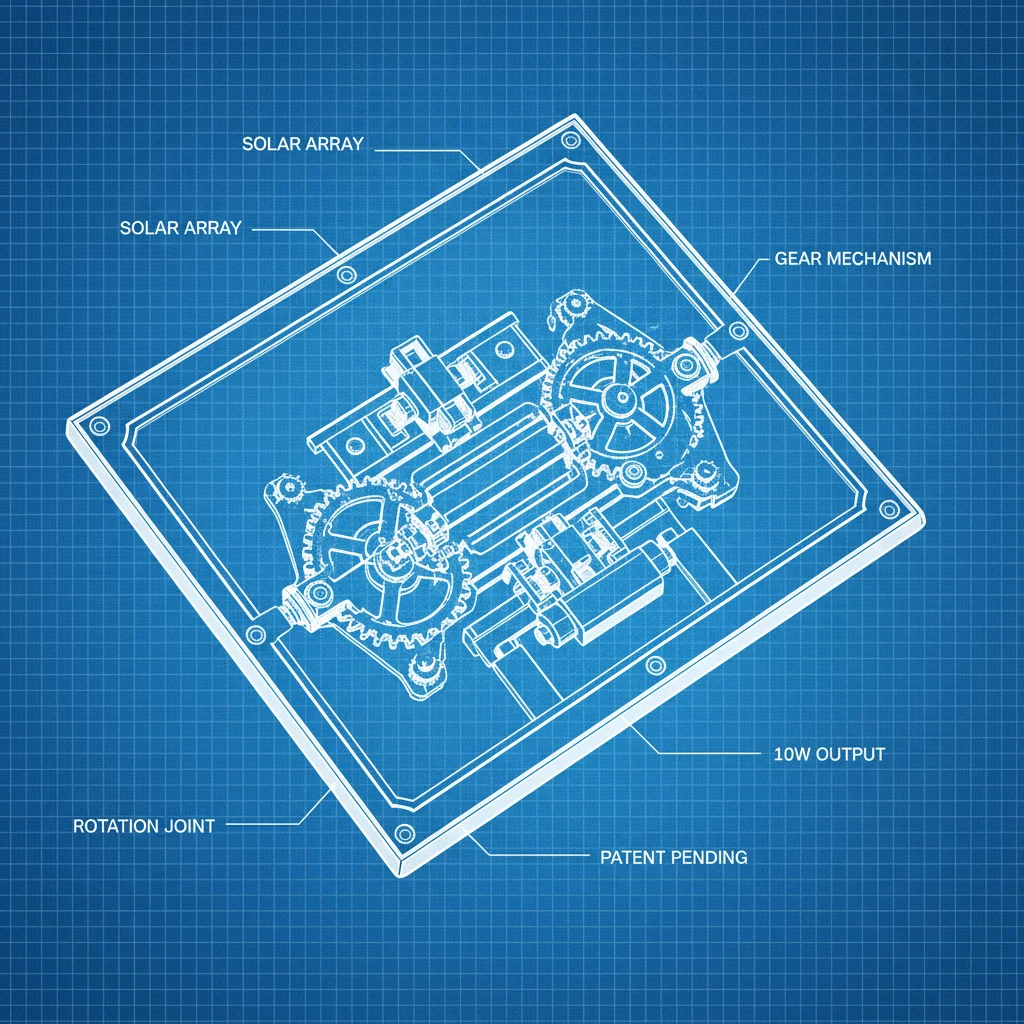
The 350w solar panel is rapidly becoming a cornerstone of modern energy solutions, and for good reason. We're seeing a global push for renewable energy, driven by climate concerns and a desire for energy independence. What's really exciting is how accessible this technology is getting – it's not just for large-scale solar farms anymore. From powering remote cabins to offsetting energy costs for homes, the 350w panel is proving incredibly versatile. I've been on enough job sites to see firsthand how crucial reliable power is, and these panels are delivering.
The need for distributed generation – creating power where it's used – is huge. Grid infrastructure isn’t keeping pace with demand everywhere, and shipping power over long distances is inefficient and costly. The 350w solar panel directly addresses this challenge. Plus, the price point is becoming increasingly competitive. I've seen projects where the payback period for a solar installation is now less than five years, making it a smart economic decision alongside being the right environmental one.
Frankly, it’s a game changer. We’re past the point of just talking about renewable energy; people are actively doing something about it, and the 350w panel is a major part of that shift. I’ve been on sites where a single panel can power critical equipment, allowing work to continue uninterrupted even in remote locations.
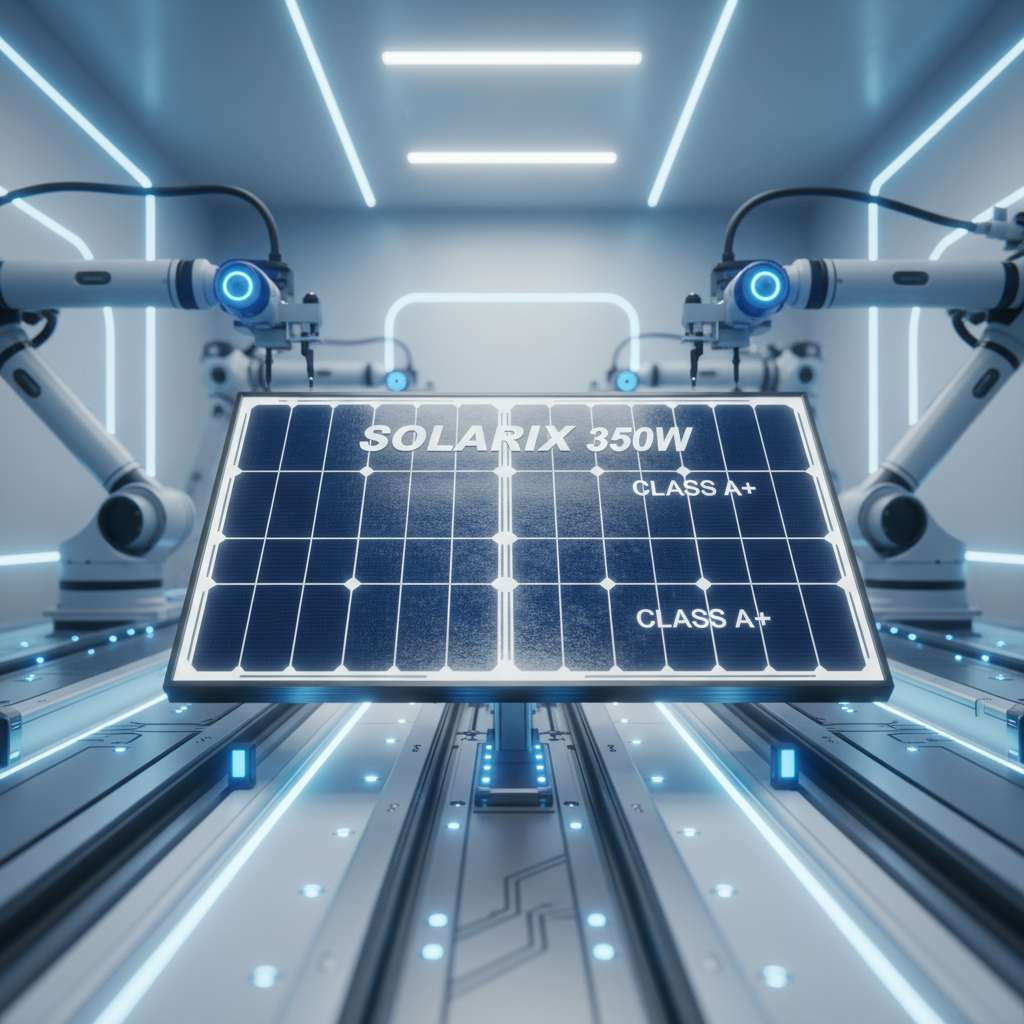
The Global Rise of 350w Solar Panels
The global demand for renewable energy is exploding, and the 350w solar panel is riding that wave. The International Renewable Energy Agency (IRENA) reports consistent year-over-year growth in solar capacity additions. We're talking about billions of dollars invested annually, driven by government incentives and falling technology costs. This isn't just happening in developed nations; emerging markets are adopting solar at an even faster rate, particularly in areas lacking reliable grid infrastructure. I've seen it myself in projects across Southeast Asia – solar is often the most practical, and sometimes the only viable, solution.
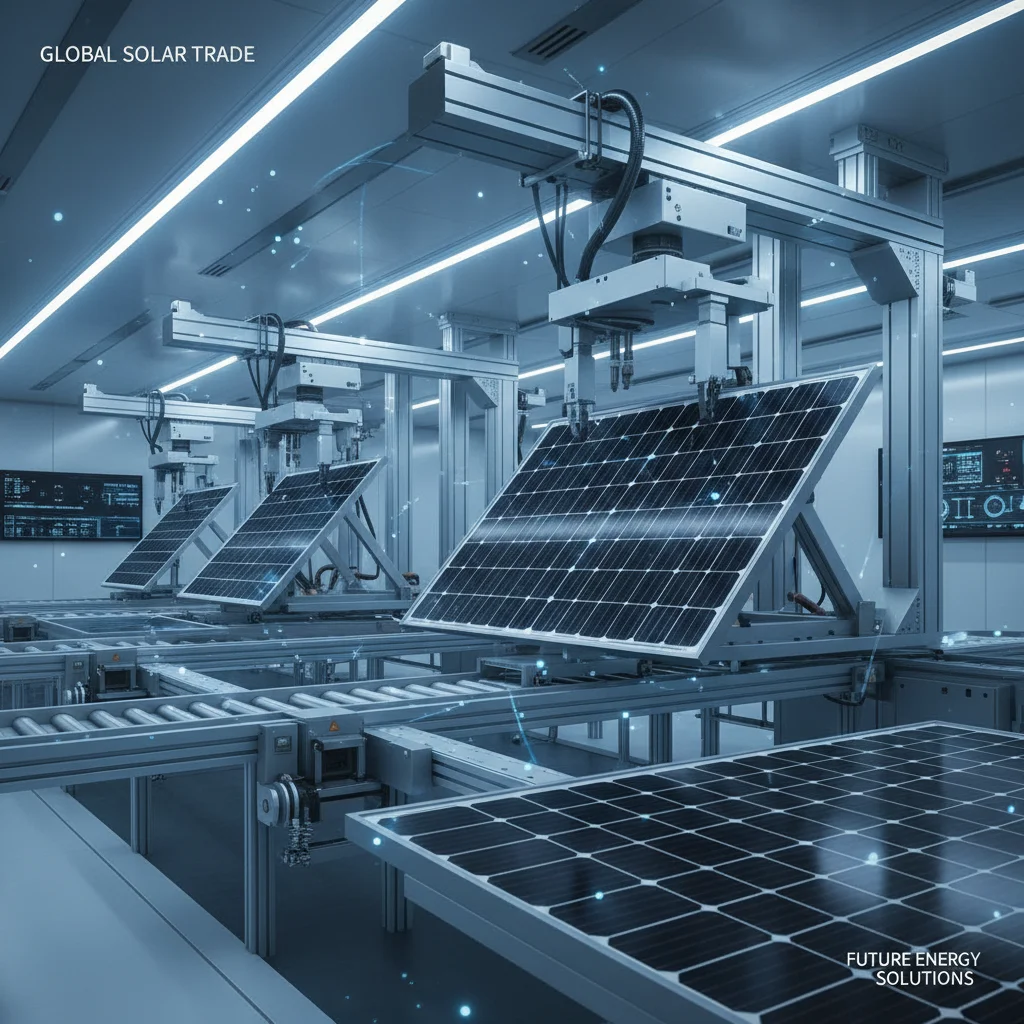
The challenge we face is scaling up production and distribution to meet this demand. Supply chain disruptions, raw material costs, and skilled labor shortages are all potential roadblocks. But the benefits – reducing carbon emissions, creating jobs, and improving energy security – far outweigh the challenges. A 350w panel, while not the largest available, provides a sweet spot between power output, manageability, and cost. It's a workhorse.
Defining the 350w Solar Panel
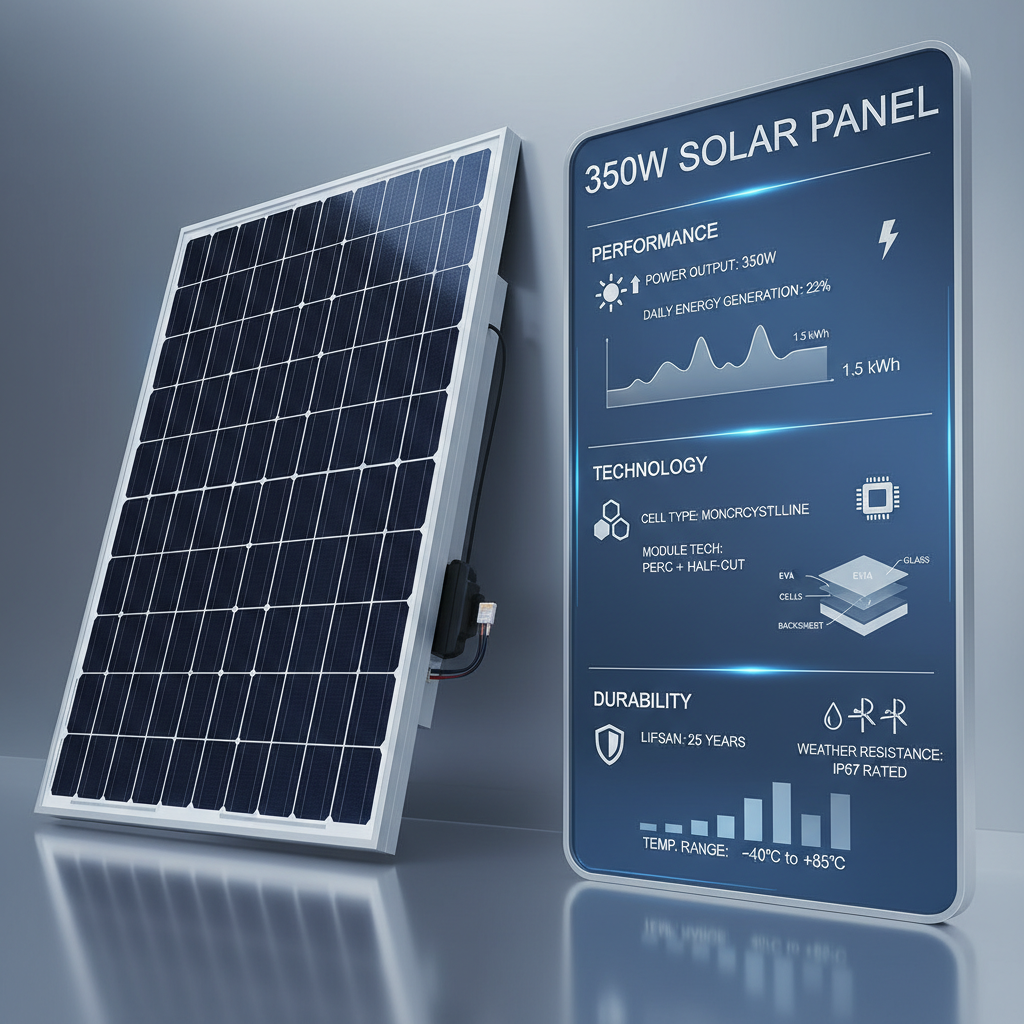
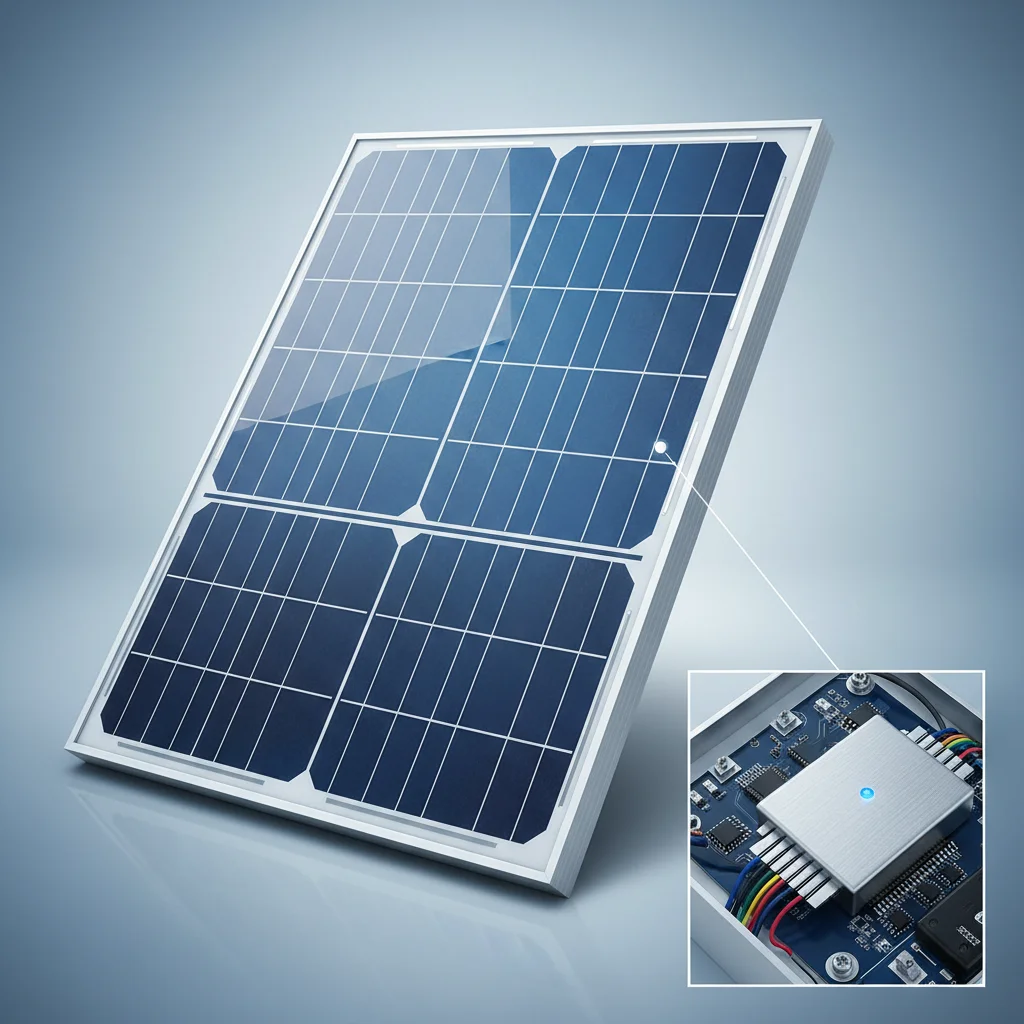
Simply put, a 350w solar panel is a photovoltaic (PV) module designed to generate 350 watts of electrical power under standard test conditions (STC). That means at 25°C cell temperature and 1000 W/m² irradiance. What’s important is that it's a standardized rating that allows for easy comparison between different panels. It's built from silicon solar cells, typically monocrystalline or polycrystalline, encapsulated and protected by a durable glass and frame.
It connects directly into modern energy systems, either feeding power into the grid, charging batteries for off-grid use, or powering DC appliances. I’ve been wiring these things up on construction sites for years, and it's surprisingly straightforward. They’re a key component in everything from residential rooftop systems to large-scale solar farms.
This type of panel is particularly useful for smaller installations or situations where space is limited. It gives you a good balance of power without needing a huge array. From a practical standpoint, it’s a size and weight that's manageable for a two-person crew to handle on a rooftop.
Key Characteristics of 350w Solar Panels
One of the biggest advantages of a 350w panel is its efficiency. Modern panels are achieving efficiencies of over 20%, meaning they convert that much of the sunlight hitting them into usable electricity. This is crucial because rooftop space is often limited. Another key aspect is durability. Panels are designed to withstand harsh weather conditions – hail, snow, wind, and UV radiation. I’ve seen panels still working strong after decades of exposure.
The voltage and current output are also important. A typical 350w panel will produce around 30-40 volts and 9-10 amps. This needs to be carefully matched to the inverter and charge controller to maximize performance. I always emphasize this with the crews – getting the electrical connections right is critical for safety and efficiency.
Finally, the warranty is a major consideration. Most manufacturers offer a 25-year performance warranty, guaranteeing that the panel will still produce at least 80% of its rated power after that period. That's peace of mind for the owner, and it speaks to the long-term reliability of the technology.
Performance Metrics of 350w Solar Panels
Understanding key performance metrics is crucial for choosing the right panel. We look at power tolerance, which indicates how much the actual output can deviate from the rated 350w. A tighter tolerance means more predictable performance. Temperature coefficient is another important one – it tells you how much the power output drops as the panel heats up. This is significant because panels operate most efficiently in cooler temperatures.
Fill Factor is a measure of the quality of the solar cells, with a higher fill factor indicating better performance. Maximum Power Point Tracking (MPPT) is the technology used by inverters to maximize the power extracted from the panels, even under varying conditions.
350w Solar Panel Performance Comparison
Applications Across Industries
The applications for 350w solar panels are incredibly diverse. Residential rooftop installations are the most common, but we're seeing increasing use in commercial and industrial settings. Farms are using them to power irrigation systems and cooling for produce storage. I've even seen them used to power remote monitoring stations in the oil and gas industry.
In post-disaster relief operations, these panels provide a critical source of power for communication and essential services. They're lightweight and portable enough to be quickly deployed where they're needed most. And for off-grid communities, they offer a path to energy independence and economic development.
Long-Term Value and Benefits
Beyond the obvious environmental benefits, the long-term economic value of a 350w solar panel is substantial. Reduced electricity bills, government incentives, and the potential to sell excess power back to the grid all contribute to a strong return on investment. But it's also about building resilience. Having your own source of power protects you from grid outages and rising energy costs.
From a social impact perspective, access to clean and affordable energy improves quality of life and creates opportunities for education and economic advancement. It's a tangible way to empower communities and build a more sustainable future. It’s not just about watts and volts; it’s about people.
Reliability is key. A well-maintained 350w panel can last for 25 years or more, providing a consistent and predictable source of energy. That’s a long-term investment that pays dividends for decades.
Future Trends & Considerations
We're seeing exciting advancements in solar technology, including bifacial panels that generate power from both sides, and perovskite solar cells that promise even higher efficiencies. Improved energy storage solutions, like lithium-ion batteries, are also becoming more affordable and reliable, making off-grid systems more practical.
The rise of smart grids and energy management systems will further optimize the performance of solar installations, allowing for better integration with the grid and more efficient energy use. We are seeing more automation in monitoring and maintenance.
Policy support will continue to be crucial. Government incentives, tax credits, and regulations promoting renewable energy are essential for driving adoption and accelerating the transition to a cleaner energy future.
Summary of Key Considerations for 350w Solar Panel Installations
| Installation Location |
Maintenance Requirements |
Cost Analysis |
Long-Term ROI |
| Rooftop: Optimal sunlight, space constraints. |
Annual cleaning, inverter checkups. |
Upfront investment vs. energy savings. |
8-12 years in most locations. |
| Ground-Mounted: More flexibility, land usage. |
Vegetation control, weather protection. |
Land costs, mounting structure expenses. |
10-15 years, depending on incentives. |
| Remote Locations: Powering off-grid systems. |
Minimal maintenance, battery storage. |
High initial cost, reduced operational expenses. |
15+ years, significant long-term savings. |
| Commercial Buildings: Large-scale energy offset. |
Professional inspection, system monitoring. |
Tax benefits, reduced energy bills. |
5-10 years, attractive investment opportunity. |
| Industrial Facilities: Reliable power source. |
Preventative maintenance, safety checks. |
Reduced downtime, operational cost savings. |
7-12 years, increased productivity. |
| Agricultural Applications: Irrigation and farm power. |
Dust and debris removal, regular inspections. |
Lower energy costs, increased yield. |
8-15 years, sustainable farming practices. |
FAQS
Most 350w solar panels come with a 25-year performance warranty, guaranteeing at least 80% of their initial power output after that period. However, many panels continue to generate electricity beyond 25 years, albeit at a reduced capacity. Proper maintenance, like regular cleaning, can help extend their lifespan even further. I’ve seen panels still producing usable power after 30 years, but you need to factor in degradation over time.
Absolutely. 350w solar panels are a popular choice for off-grid systems, especially when paired with battery storage. The size and power output are manageable for powering homes, cabins, or remote equipment. You'll need to carefully calculate your energy needs and size the system accordingly, but they are well-suited for this purpose. Consider a good charge controller and quality batteries.
Solar panels still generate electricity on cloudy days, but the output is significantly reduced. The amount of reduction depends on the cloud cover. Even on a heavily overcast day, a 350w panel will still produce some power, though it might be only 20-30% of its rated output. Modern MPPT inverters are designed to maximize power extraction even in low-light conditions.
Solar panels are generally low-maintenance, but some upkeep is required. Regular cleaning to remove dust, dirt, and debris is important, especially in dry or dusty climates. You should also periodically inspect the panels for any damage or corrosion. It’s also a good idea to have a professional check the inverter and wiring every few years to ensure everything is functioning properly.
Monocrystalline panels are made from a single crystal of silicon, giving them a uniform black appearance and slightly higher efficiency. Polycrystalline panels are made from multiple silicon crystals, resulting in a speckled blue appearance and slightly lower efficiency. Monocrystalline panels typically cost a bit more, but offer a better performance in limited space. The difference isn’t huge, but it’s a factor to consider.
Solar panel output decreases as temperature increases. This is known as the temperature coefficient. Most 350w panels have a temperature coefficient of around -0.3% to -0.4% per degree Celsius. This means that for every degree Celsius above 25°C, the power output will decrease by that percentage. Good ventilation around the panels can help mitigate this effect.
Conclusion
The 350w solar panel has proven itself to be a versatile and reliable component in the transition to a cleaner energy future. Its balance of power output, cost-effectiveness, and durability makes it suitable for a wide range of applications, from residential rooftops to remote industrial sites. As technology continues to advance and costs decline, we can expect to see even wider adoption of these panels.
Looking ahead, continued innovation in materials science, energy storage, and grid integration will unlock even greater potential for solar power. Investing in 350w solar panels is not just an environmentally responsible choice, it's a smart economic decision that can provide long-term benefits for individuals, communities, and the planet. To learn more about how a 350w solar panel can power your needs, visit our website: shaobosolar.com.