21 March 2026
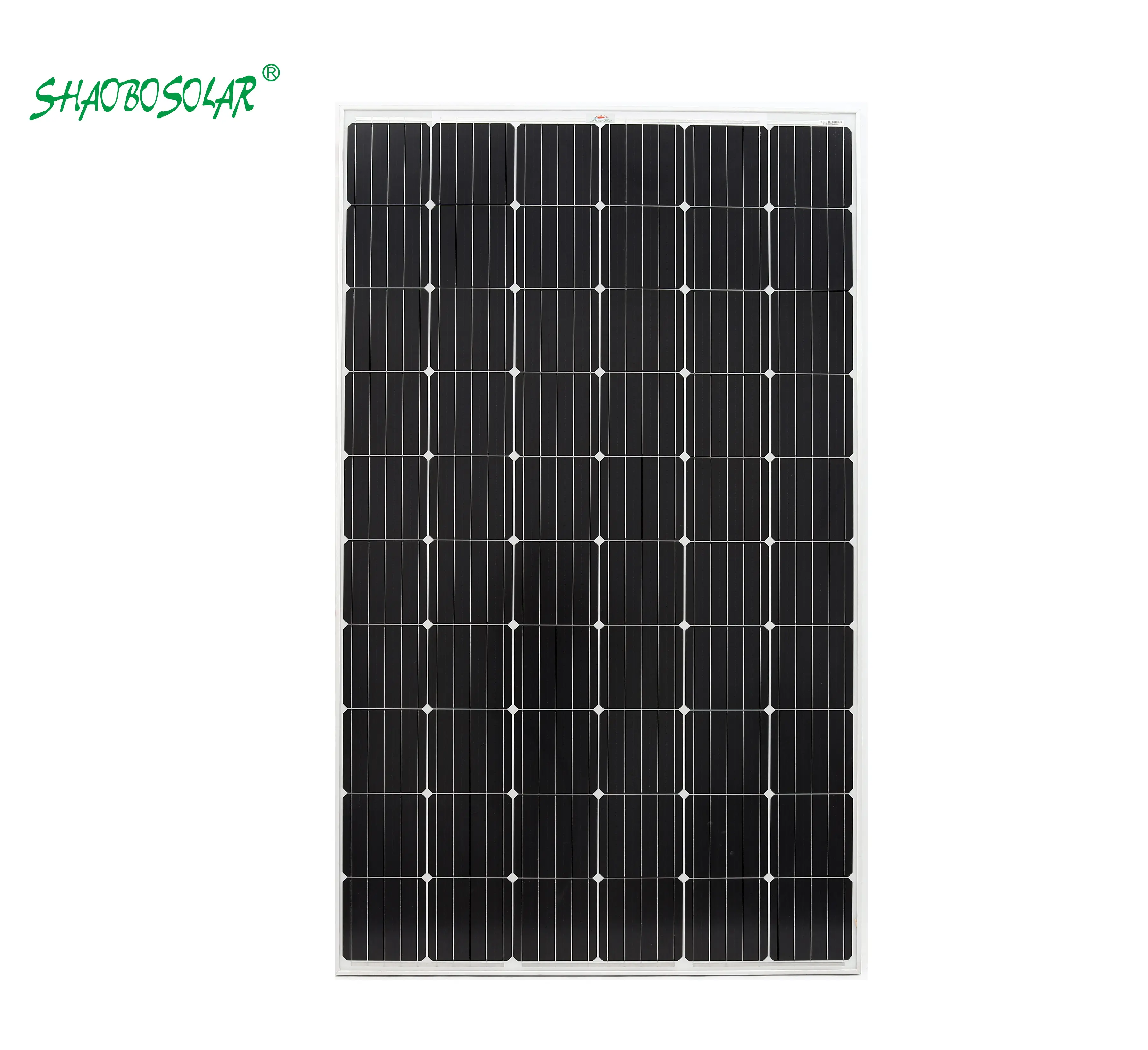
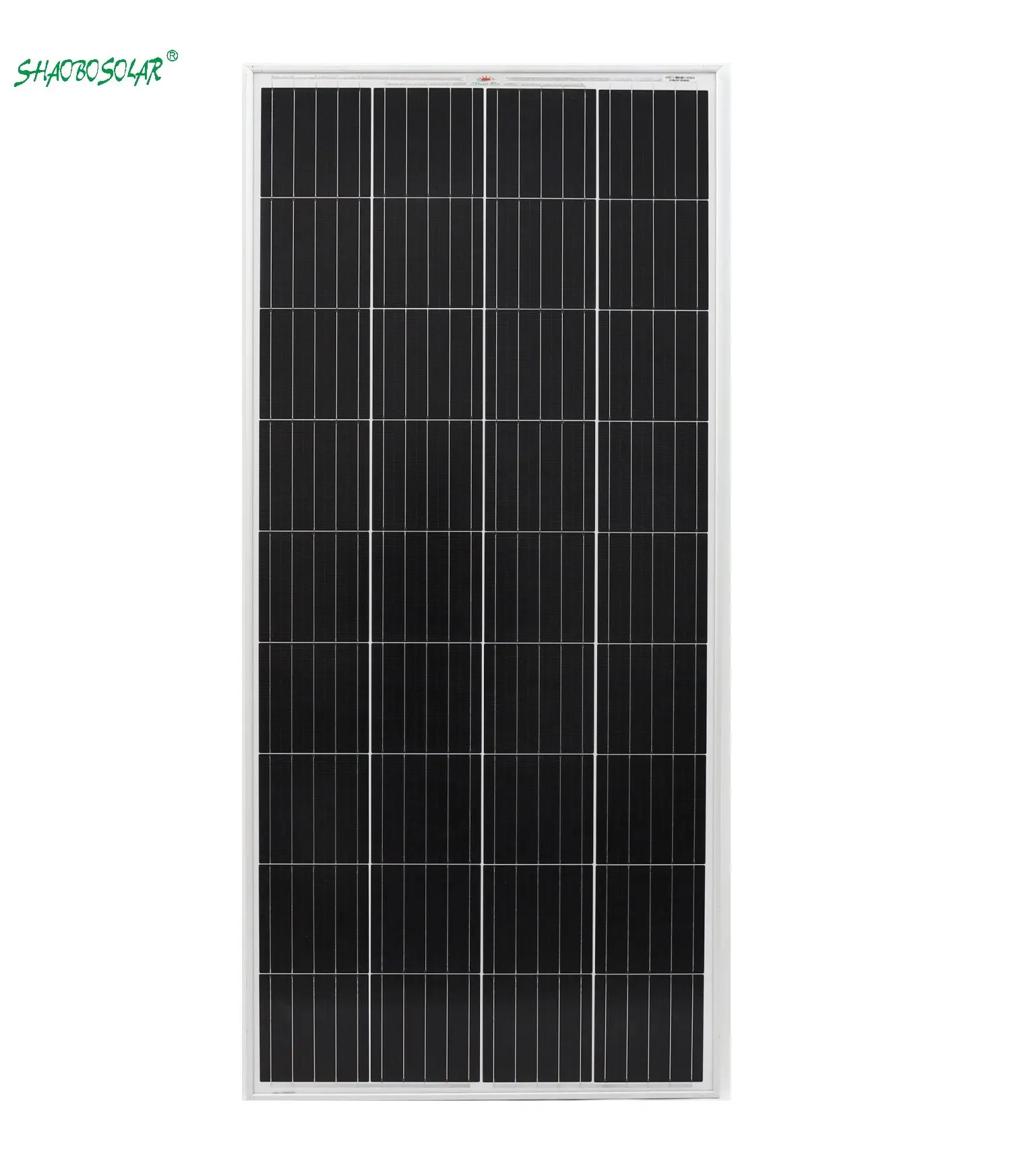
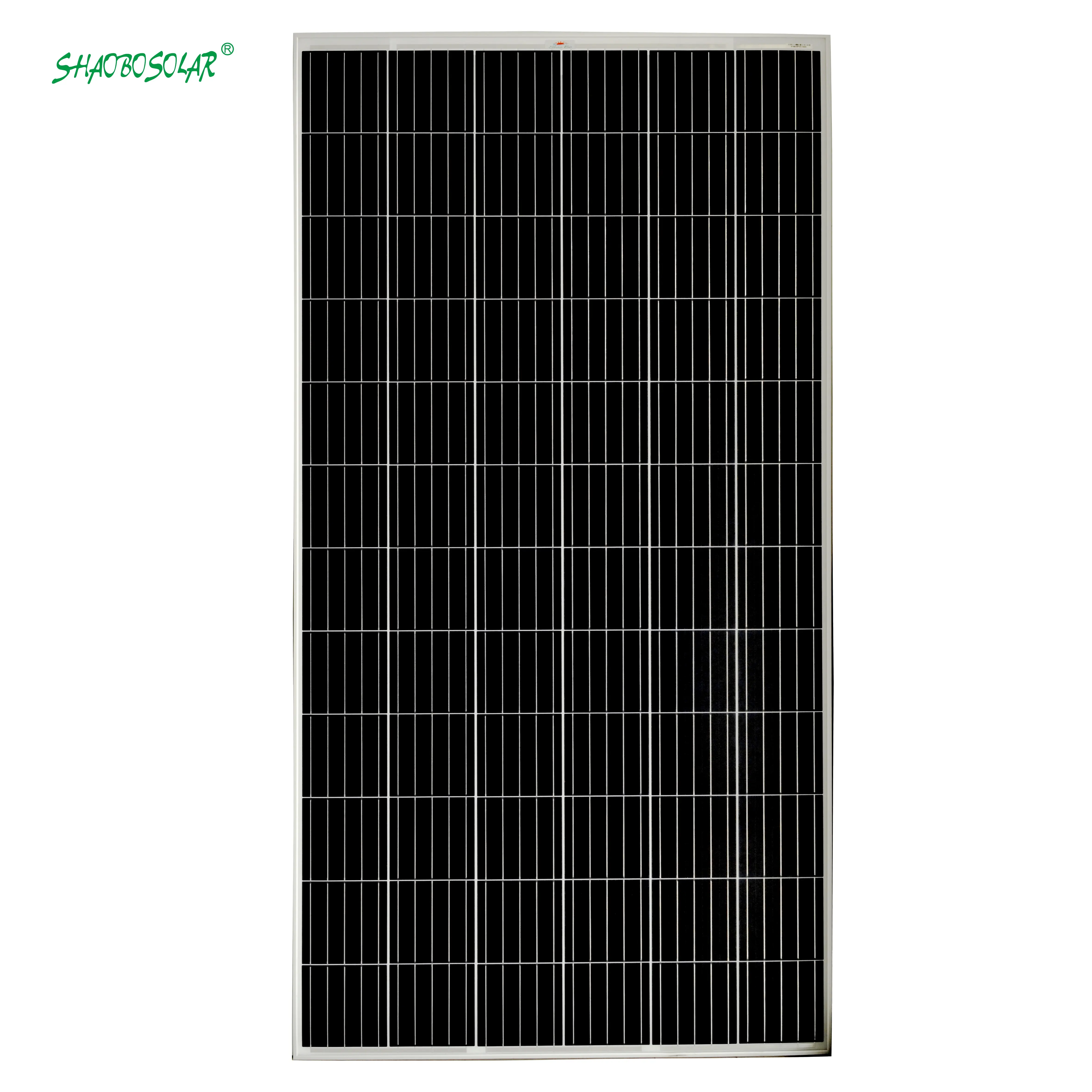
Considering powering your off-grid adventures, RV, or simply reducing your electricity bills? A 150W solar panel can be a fantastic starting point. This article dives deep into everything you need to know about these versatile panels, from their applications and benefits to choosing the right one for your needs. We'll explore how they work, common uses, and what to look for when purchasing from a reputable supplier like Shaobo Solar.
150W solar panels, like all photovoltaic (PV) panels, convert sunlight directly into electricity. They achieve this through the use of solar cells, typically made from silicon. When photons (light particles) strike these cells, they excite electrons, creating an electric current. The "150W" designation refers to the panel's maximum power output under ideal conditions – full sun, optimal temperature, and angle. The actual power generated will vary based on these factors. Understanding this is key to properly sizing your solar system for your specific energy requirements.
These panels are incredibly versatile and find applications in a wide array of scenarios. They're a popular choice for:
Key Benefit: 150W panels offer a great balance of power, portability, and affordability, making them ideal for various applications where larger systems aren’t necessary.
Not all 150W solar panels are created equal. Here's what to consider when making your selection:
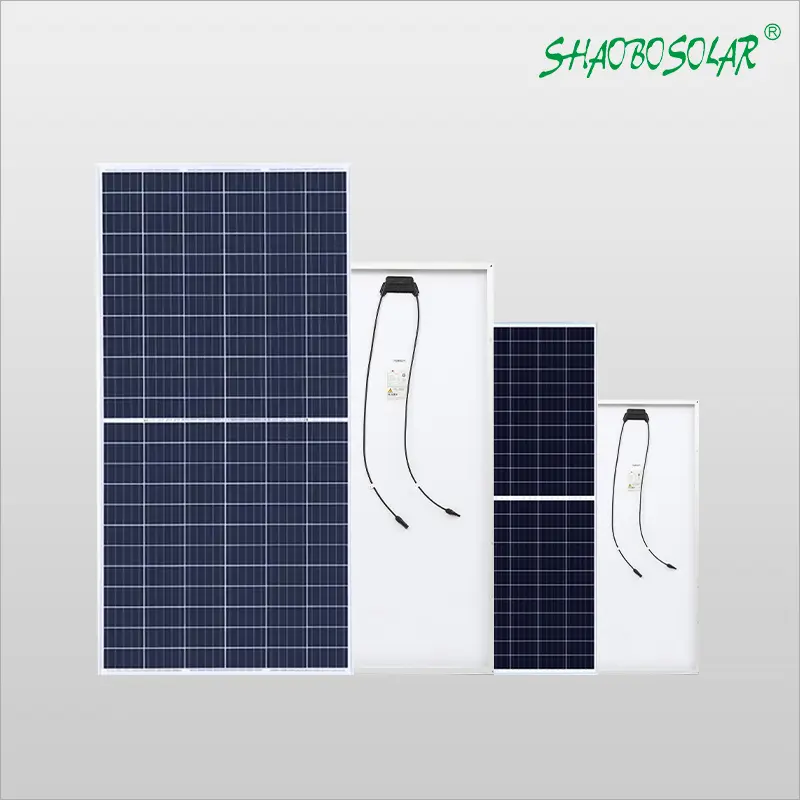
Understanding the difference between monocrystalline and polycrystalline solar panels is crucial. Monocrystalline panels are made from a single silicon crystal, resulting in higher efficiency. Polycrystalline panels are made from multiple silicon fragments melted together, making them less efficient but more affordable. Here’s a direct comparison:
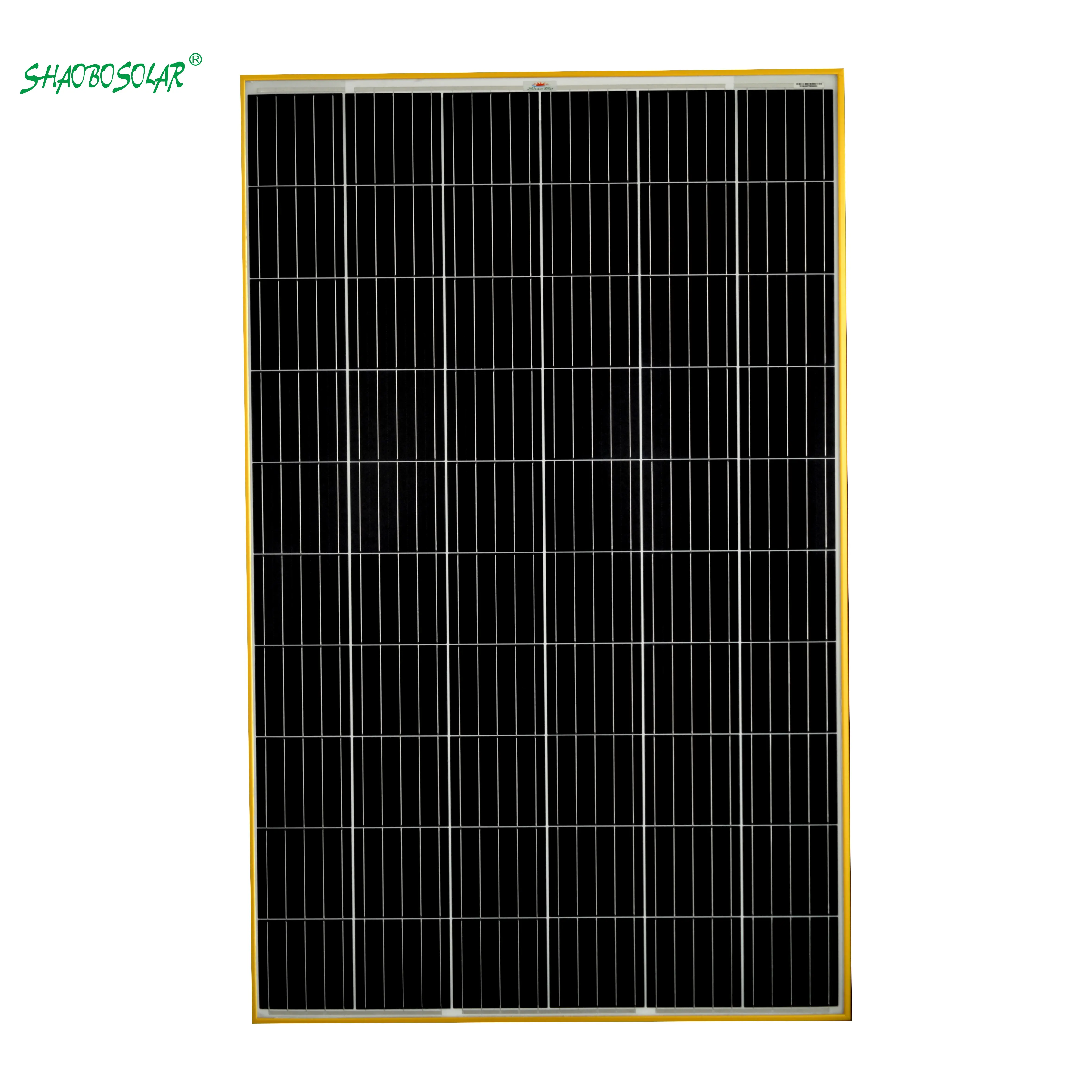
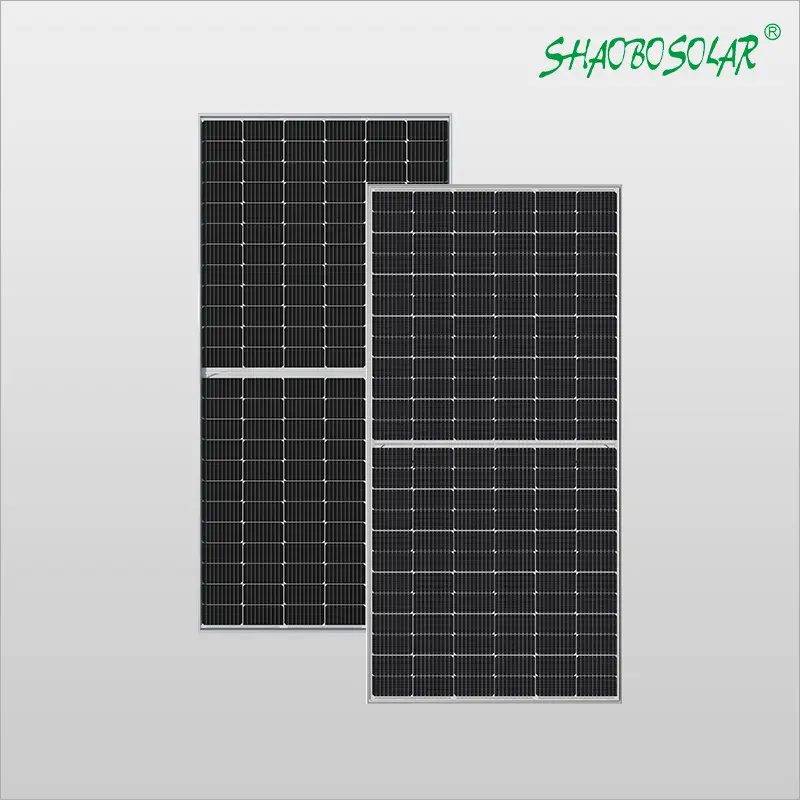
At Shaobo Solar, we specialize in high-quality solar panels, including a range of 150W options. We offer competitive pricing, reliable performance, and exceptional customer service. We understand the importance of a dependable energy source and strive to provide solutions that meet your specific needs. Explore our selection today and discover the perfect 150W solar panel for your application!
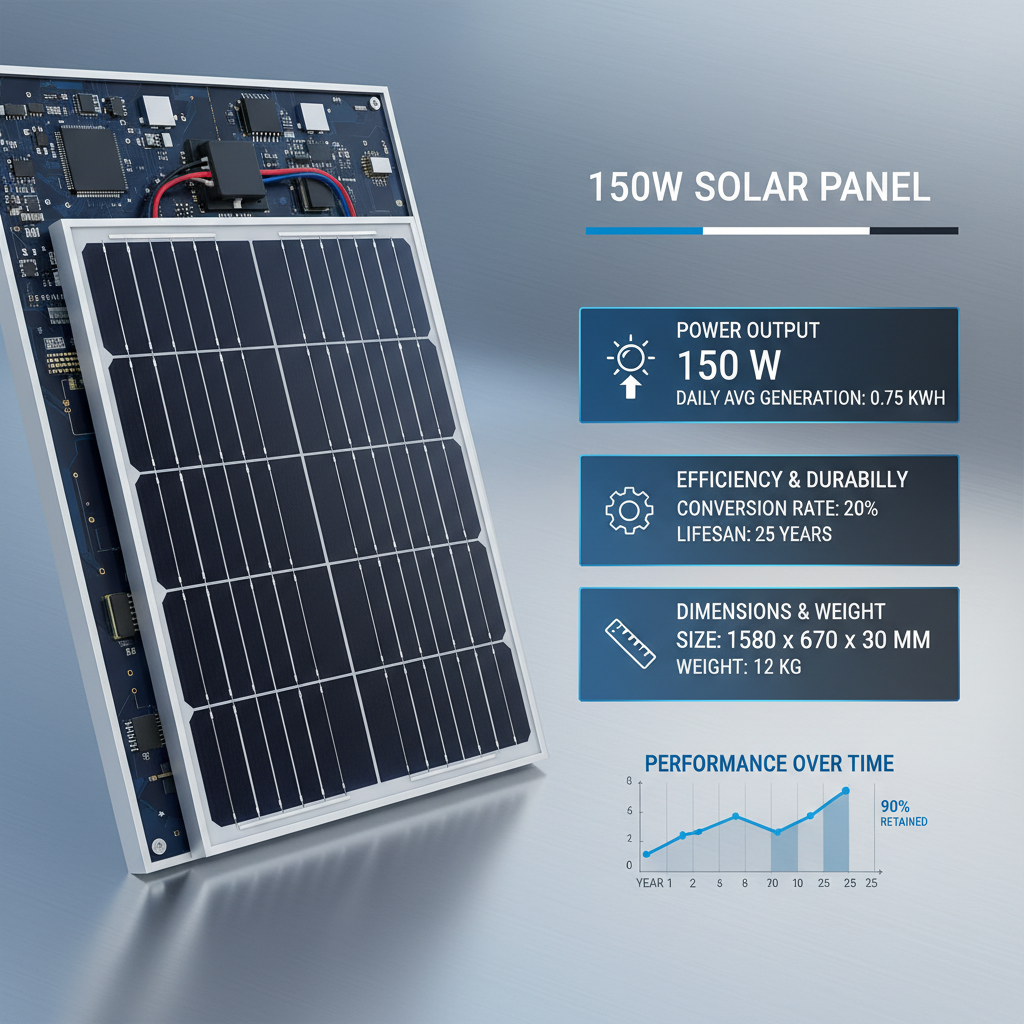
The number of batteries a 150W solar panel can charge depends on the battery's voltage, capacity (Ah), and the amount of sunlight available. Generally, a 150W panel paired with a charge controller can effectively charge a 12V deep-cycle battery. However, charging multiple batteries simultaneously requires a more sophisticated system and a larger charge controller. It's important to calculate your energy needs and battery capacity to determine the appropriate solar panel size and charge controller. For example, a 100Ah 12V battery would take approximately 6-8 hours of peak sunlight to fully charge with a 150W panel. The Shaobo Solar website offers tools and resources to help you estimate your charging requirements.
Yes, absolutely. A charge controller is essential to protect your batteries from overcharging. It regulates the voltage and current flowing from the solar panel to the battery, preventing damage and extending the battery's lifespan. There are two main types: PWM (Pulse Width Modulation) and MPPT (Maximum Power Point Tracking). MPPT charge controllers are more efficient, especially in cooler temperatures or cloudy conditions, but they are also more expensive. For most 150W solar panel applications, a PWM charge controller is sufficient.
Most 150W solar panels are designed to last for 25-30 years. However, their power output will gradually decrease over time. Manufacturers typically guarantee that the panel will produce at least 80% of its original power output after 25 years. Regular maintenance, such as cleaning the panel surface, can help maximize its lifespan and performance. Factors like extreme weather conditions and poor installation can also affect the panel’s longevity.
Unfortunately, a single 150W solar panel is unlikely to run a standard air conditioner. Air conditioners require a significant amount of power, typically much more than 150W. While you could potentially power a very small, portable solar-powered AC unit, running a conventional air conditioner would require a much larger solar system with multiple panels, a substantial battery bank, and a powerful inverter. It’s best to assess your total energy consumption and choose a solar system that is adequately sized to meet your needs.


Hit enter to search or ESC to close