12 March 2026
Looking for a reliable and efficient power source for your off-grid adventures, RV trips, or simply to reduce your electricity bill? A 120W solar panel might be the perfect solution. This article will delve into the specifics of 120W solar panels, exploring their benefits, applications, what to consider before purchasing, and how they stack up against other wattage options. We’ll guide you through everything you need to know to make an informed decision.
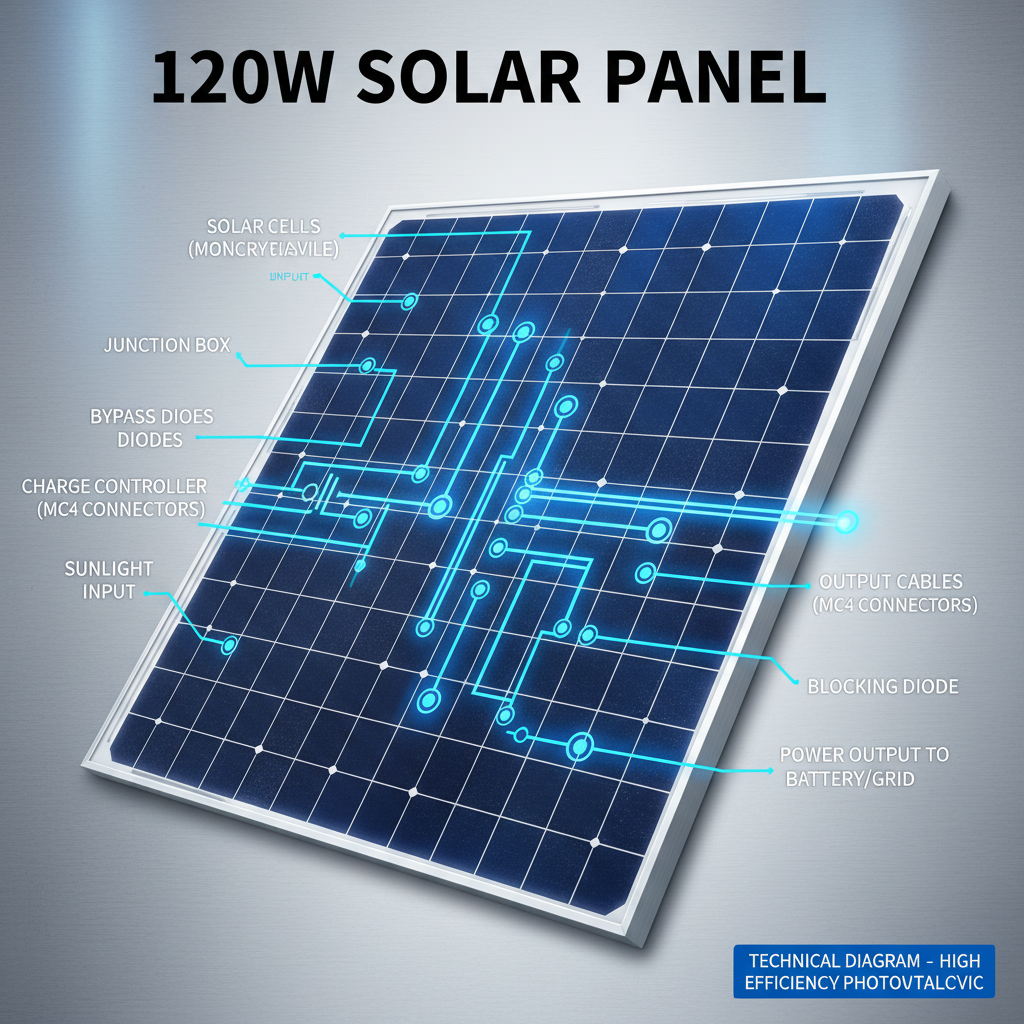
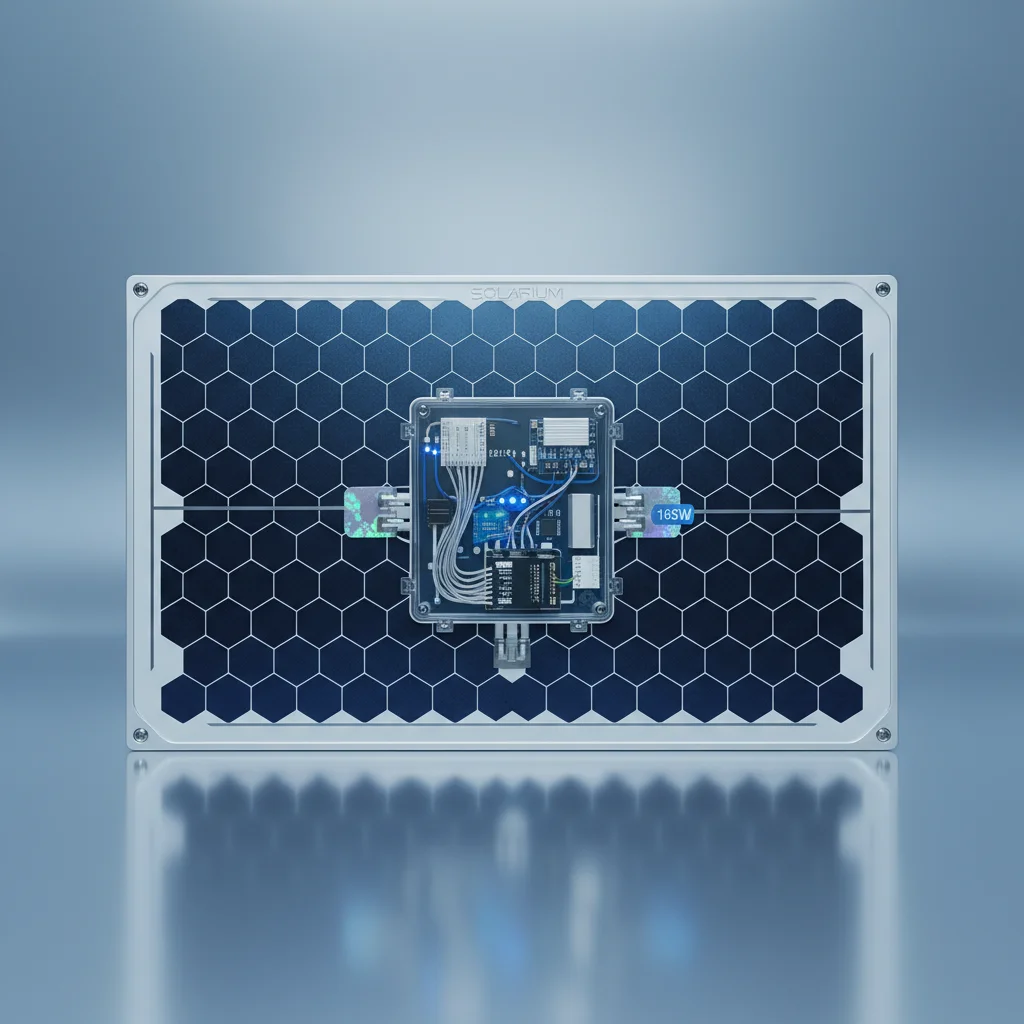
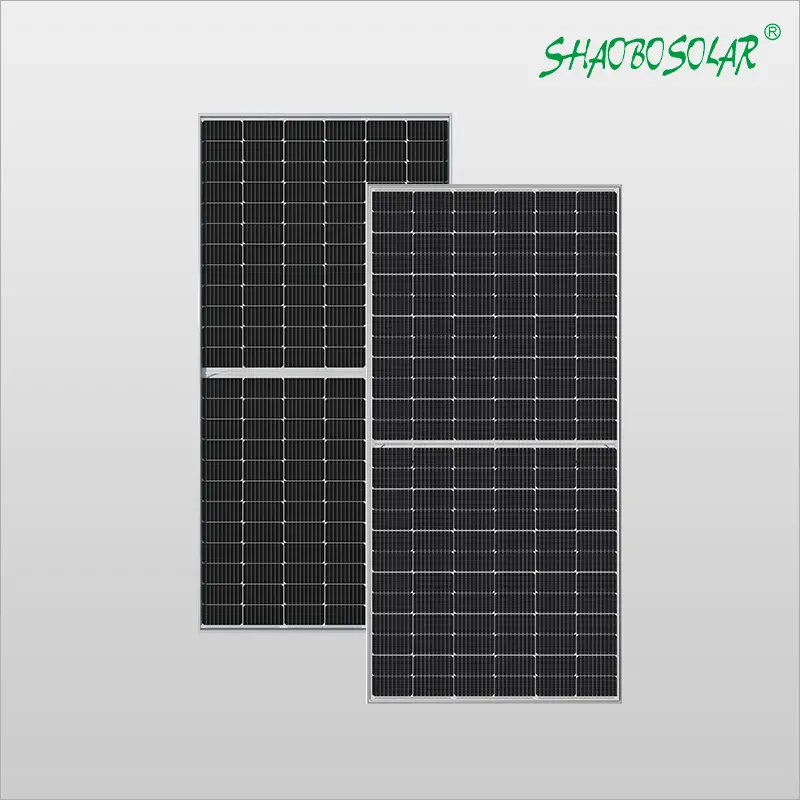
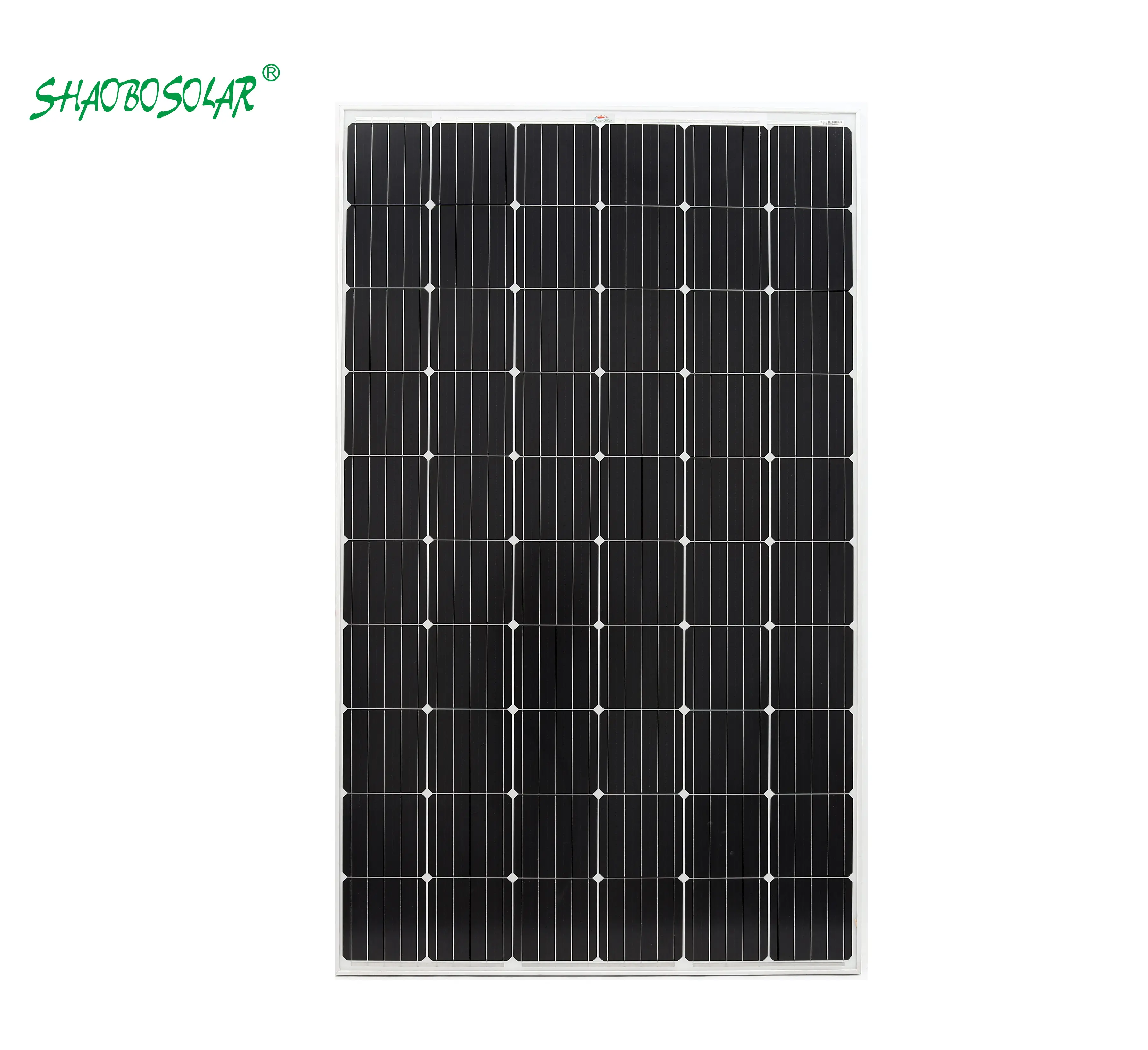
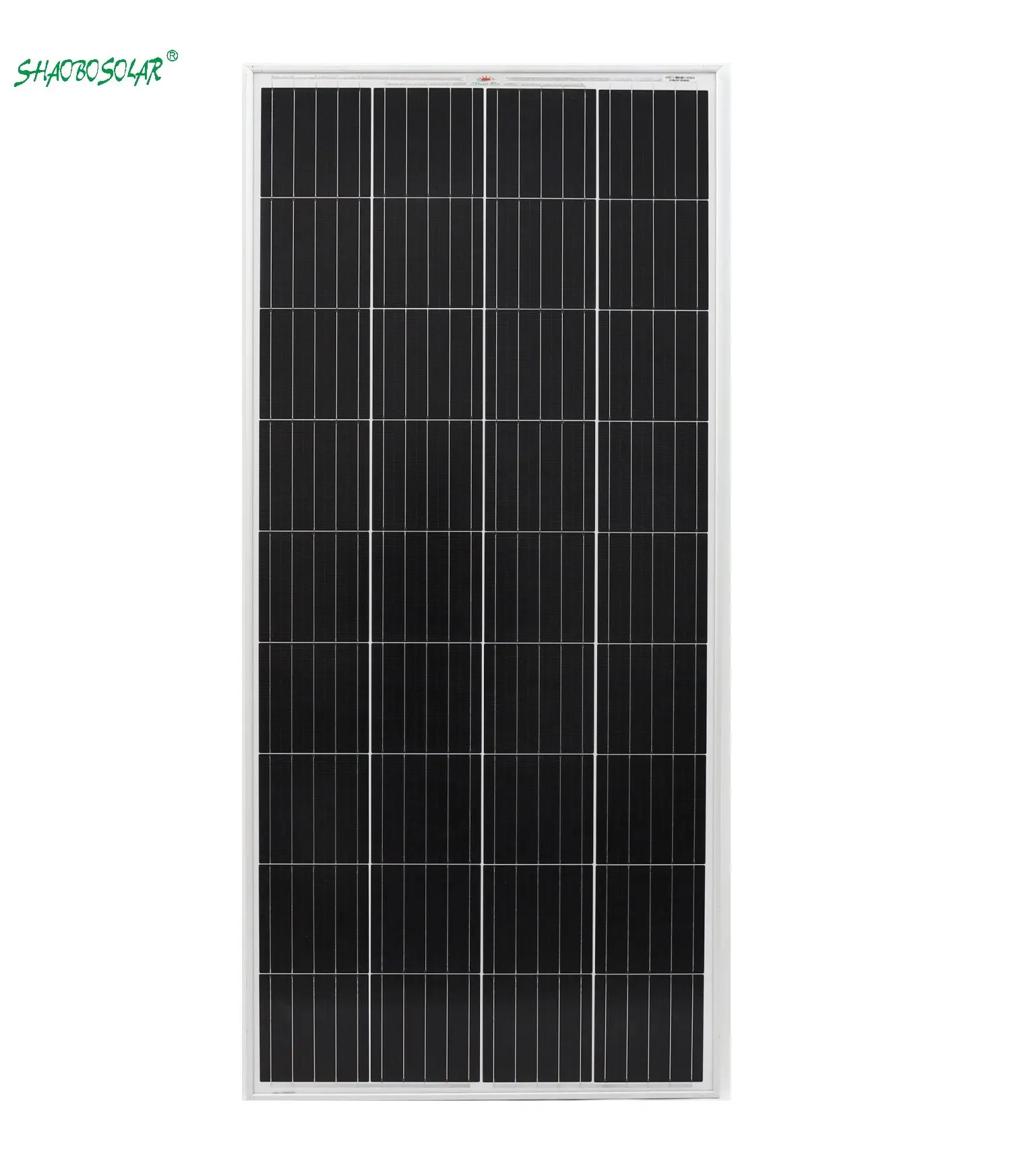
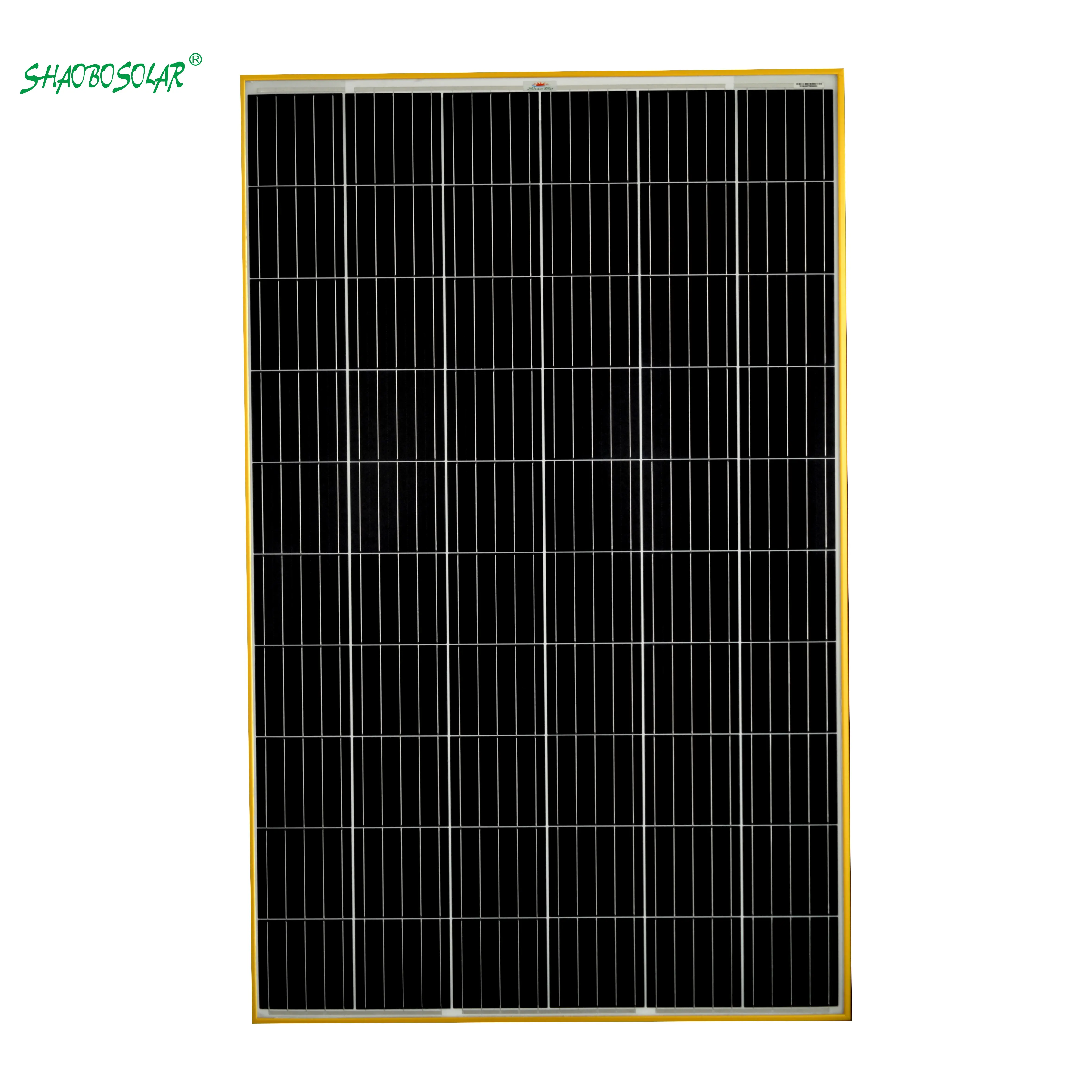
A 120W solar panel is a photovoltaic (PV) module designed to convert sunlight directly into electricity. The '120W' indicates the panel's maximum power output under standard testing conditions (STC) – typically, 1000W/m² irradiance, 25°C cell temperature, and an air mass of 1.5. These panels are commonly built using monocrystalline or polycrystalline solar cells. Monocrystalline panels generally offer higher efficiency but are more expensive, while polycrystalline panels are more affordable but slightly less efficient. When sunlight hits the solar cells, it excites electrons, creating a flow of electrical current. This DC (direct current) electricity is then often passed through a solar charge controller and inverter to be usable for powering devices or charging batteries.
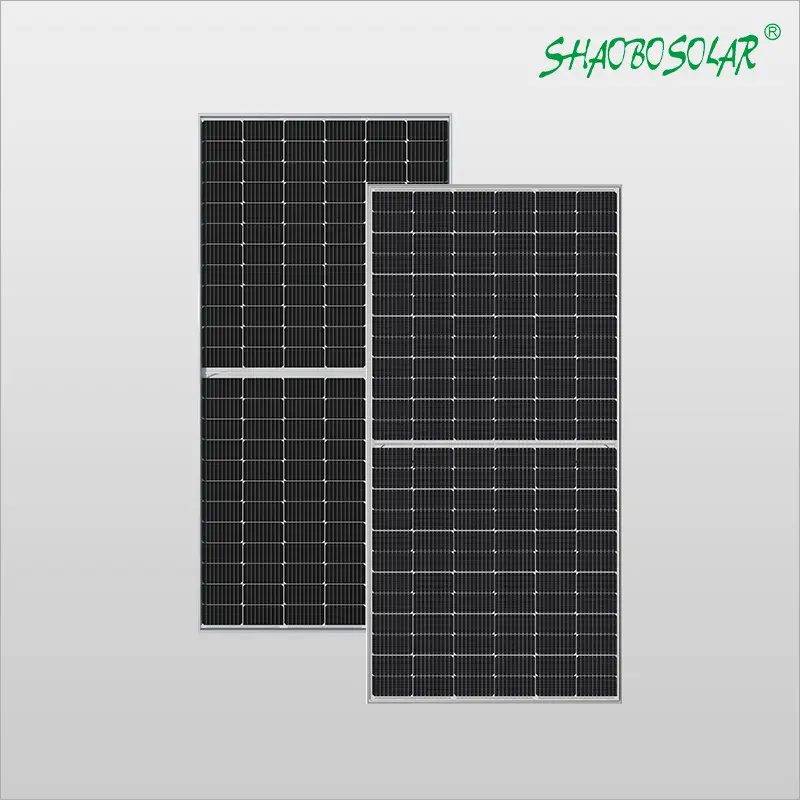
Opting for a 120W solar panel presents several advantages. It's a versatile size, striking a good balance between portability and power. They are lightweight and easy to transport, making them ideal for camping, RVing, and other outdoor activities. They are also relatively affordable, making them a great entry point into solar energy. A 120W panel from Shaobo Solar offers a cost-effective way to power smaller appliances, charge electronic devices, and keep your batteries topped up. Furthermore, using solar energy reduces your reliance on traditional energy sources, contributing to a greener and more sustainable lifestyle.
Key Highlights: Lightweight, portable, affordable, and environmentally friendly. A good starting point for entering the world of solar energy.
The applications for a 120W solar panel are wide-ranging. They’re popular for powering small electronic devices like smartphones, tablets, and laptops while camping or hiking. They’re perfect for charging 12V batteries in RVs, boats, and cabins. They can also be used to run small appliances like lights, fans, and portable refrigerators. Furthermore, 120W panels can contribute to off-grid systems, supplementing traditional power sources. They can be combined with other panels to increase the overall power output to meet larger energy needs. Consider using Shaobo Solar panels for reliable performance in diverse environments.
Common Uses:
• Charging smartphones, tablets, and laptops
• Charging 12V batteries in RVs, boats, and cabins
• Running small appliances like lights and fans
• Supplementing off-grid power systems
Choosing the right wattage solar panel depends on your energy needs. Here’s a quick comparison:
Before purchasing, consider your power needs, budget, and available space. Determine what you’ll be powering and for how long. Think about the type of solar cells (monocrystalline vs. polycrystalline) and their efficiency. Look for panels with a good warranty and certifications. Ensure the panel is compatible with your existing system, including the charge controller and inverter. Finally, check the panel's dimensions and weight to ensure it fits your space and is easily portable. Shaobo Solar provides detailed specifications and expert advice to help you choose the perfect panel.
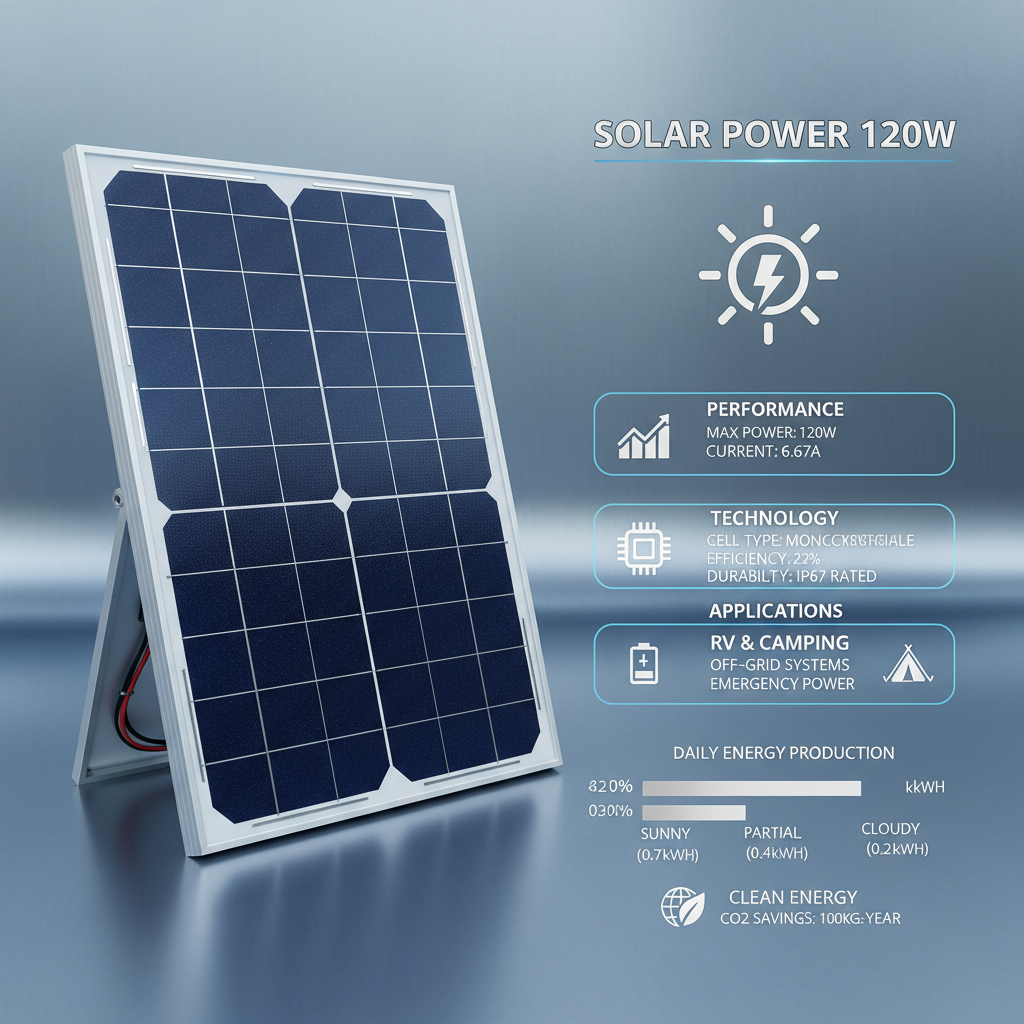
A 120W solar panel offers a versatile and affordable solution for various power needs, from camping and RVing to supplementing off-grid systems. By carefully considering your requirements and choosing a high-quality panel from a reputable supplier like Shaobo Solar, you can harness the power of the sun and enjoy clean, sustainable energy.
The charging time depends on the battery's capacity and the amount of sunlight available. As a general estimate, a 120W panel can charge a 100Ah 12V battery in approximately 8-12 hours in full sunlight. However, this is just an approximation. Factors like panel angle, shading, and the efficiency of your charge controller will affect the actual charging time. It’s crucial to use a solar charge controller to prevent overcharging and damage to the battery. Optimal performance requires positioning the panel directly towards the sun throughout the day.
Monocrystalline panels are made from a single crystal of silicon, resulting in higher efficiency (typically 17-22%) and a sleek, uniform appearance. They are more expensive but perform better in low-light conditions. Polycrystalline panels are made from multiple silicon fragments, making them less efficient (typically 15-17%) but more affordable. They have a slightly speckled, blueish appearance. The choice depends on your budget and available space; if space is limited and maximum efficiency is required, monocrystalline is the better choice. If budget is a primary concern, polycrystalline panels offer a good value.
A single 120W solar panel may not be sufficient for full off-grid living, particularly if you have high energy demands. However, they can be a valuable component of a larger off-grid system. Combining multiple 120W panels with a battery bank and inverter can provide enough power for basic needs like lighting, refrigeration, and charging devices. Proper system sizing and energy management are crucial for successful off-grid living.
A charge controller regulates the voltage and current coming from the solar panel to prevent overcharging of the battery. Overcharging can damage the battery and reduce its lifespan. There are two main types: PWM (Pulse Width Modulation) and MPPT (Maximum Power Point Tracking). MPPT charge controllers are more efficient, especially in colder temperatures or low-light conditions, as they maximize the power harvested from the solar panel. A charge controller is essential for any solar charging system to ensure safe and efficient battery charging.


Hit enter to search or ESC to close