The 25 watt solar panel represents a significant step towards accessible and sustainable energy solutions. Globally, the demand for off-grid power is rising, driven by factors like rural electrification, disaster relief, and the increasing popularity of outdoor activities. These panels offer a compact, efficient, and cost-effective means of generating electricity where traditional grid access is limited or unavailable. Understanding their applications and benefits is crucial for addressing energy poverty and promoting environmental responsibility.
The increasing affordability and efficiency of 25 watt solar panels are transforming how individuals and communities access power. From powering small electronic devices and lighting systems to charging batteries for larger appliances, these panels provide a versatile energy source. This is particularly impactful in developing nations and remote areas, where access to reliable electricity is often a major obstacle to economic and social development.
The proliferation of 25 watt solar panel technology is not simply about providing power; it’s about empowerment. It enables individuals to become energy independent, reduces reliance on fossil fuels, and contributes to a cleaner, more sustainable future. As the world continues to grapple with climate change, solutions like these become increasingly vital.
Introduction to 25 Watt Solar Panels
25 watt solar panels are a versatile and increasingly popular choice for small-scale power generation. Their compact size and relatively low cost make them ideal for a wide range of applications, from powering portable devices to providing off-grid lighting in remote locations. They represent a significant step towards democratizing access to clean energy.
The appeal of a 25 watt solar panel lies in its balance of portability, affordability, and functionality. Unlike larger solar systems requiring complex installation, these panels are often plug-and-play, making them accessible to a broader audience. This ease of use is particularly important in emergency situations or for individuals with limited technical expertise.
Defining 25 Watt Solar Panel Technology
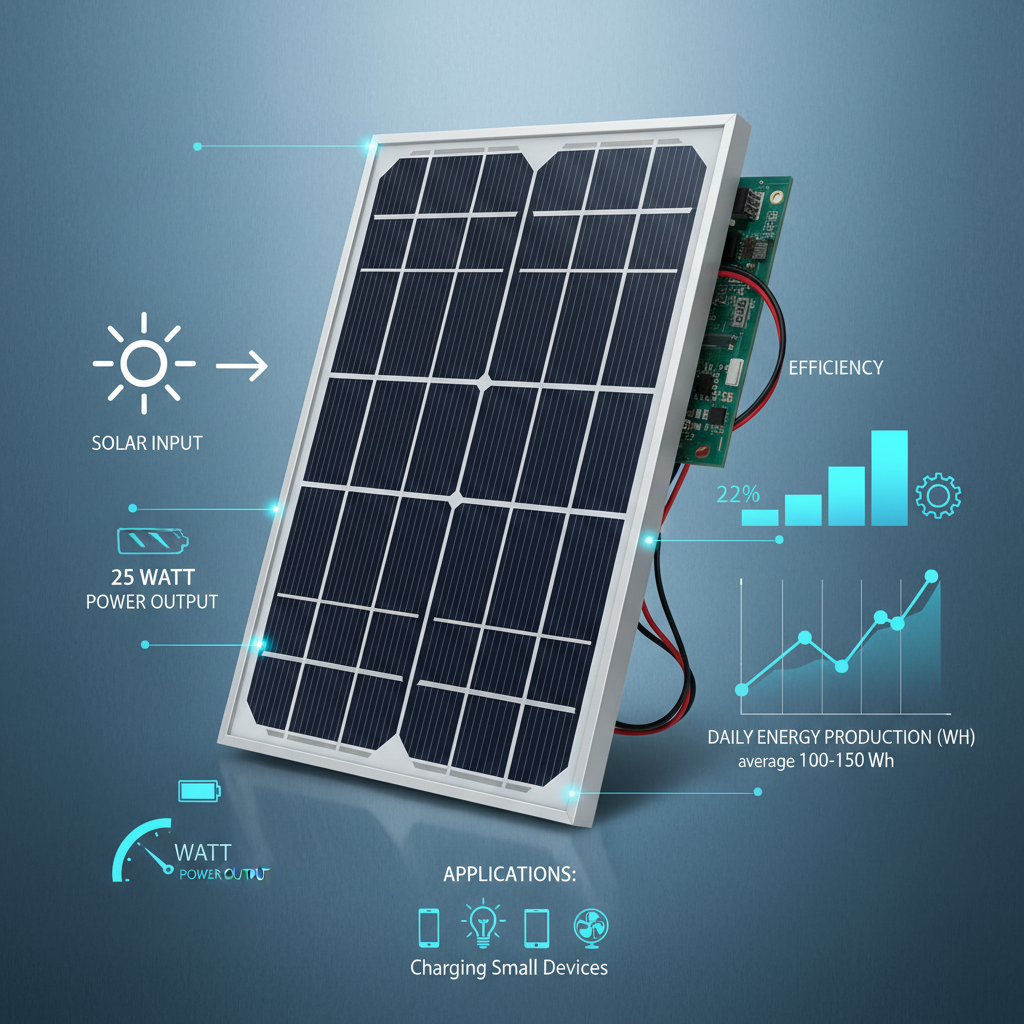
A 25 watt solar panel is a photovoltaic (PV) module designed to convert sunlight directly into electricity. The ‘watt’ designation refers to the panel’s peak power output under standard test conditions (STC), which includes a specific level of sunlight intensity and temperature. It's important to understand that this is a maximum theoretical output, and actual performance will vary depending on environmental factors.
These panels typically consist of multiple solar cells, usually made from silicon, connected in series and parallel to achieve the desired voltage and current. The cells absorb photons from sunlight, creating an electric current. This current is then harnessed to power devices or charge batteries. The efficiency of the panel refers to the percentage of sunlight that is successfully converted into usable electricity.
The technology behind a 25 watt solar panel is deeply intertwined with the broader push for renewable energy. It represents a practical solution for reducing reliance on fossil fuels and mitigating the environmental impacts of traditional power generation. Their portability and ease of deployment also make them invaluable in humanitarian efforts and disaster relief operations.
Core Components and Characteristics of 25 Watt Panels
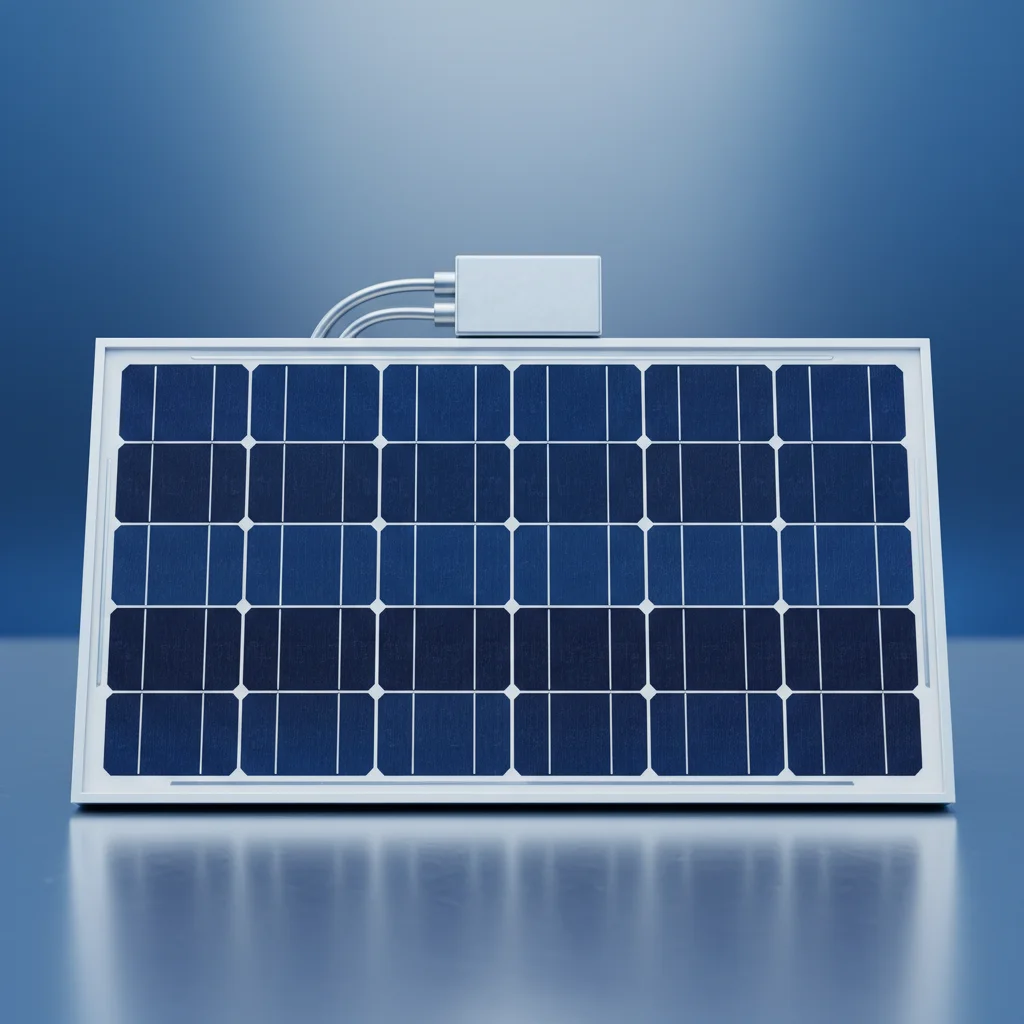
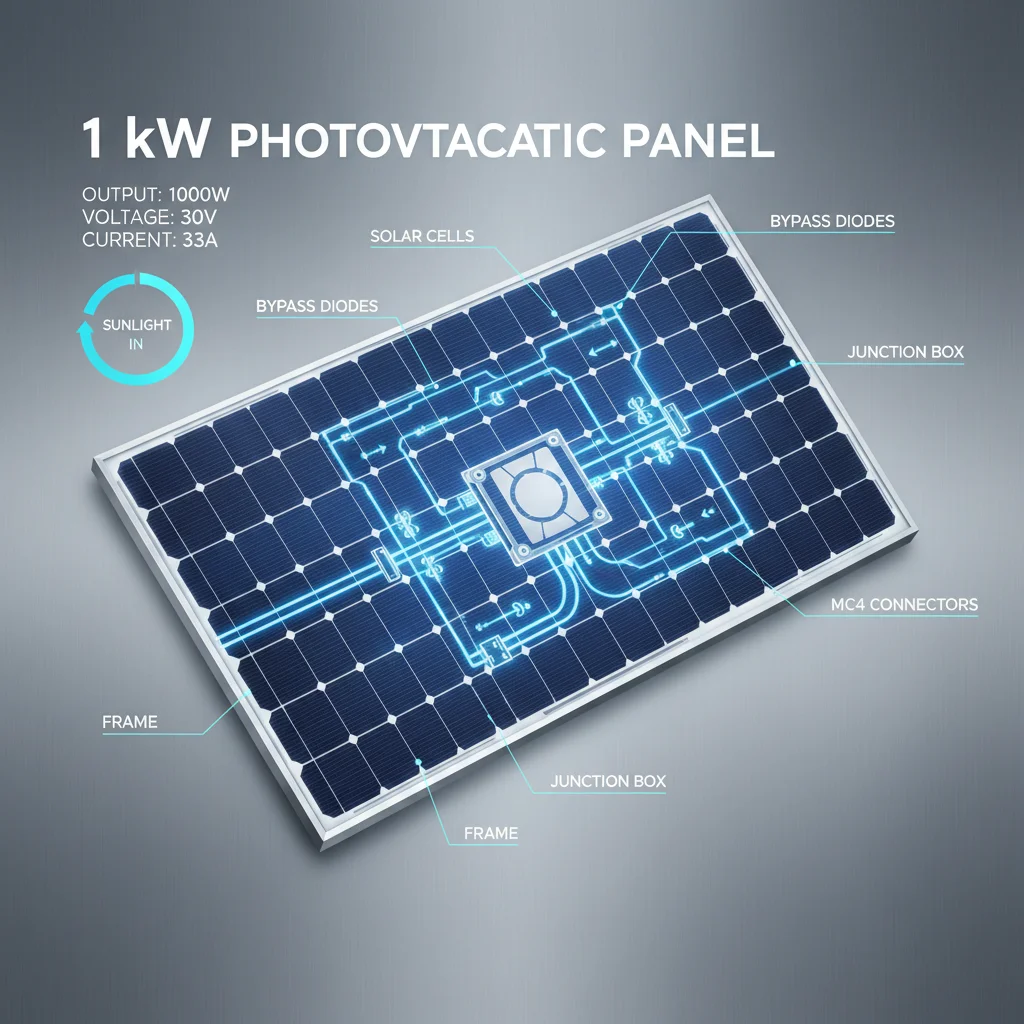
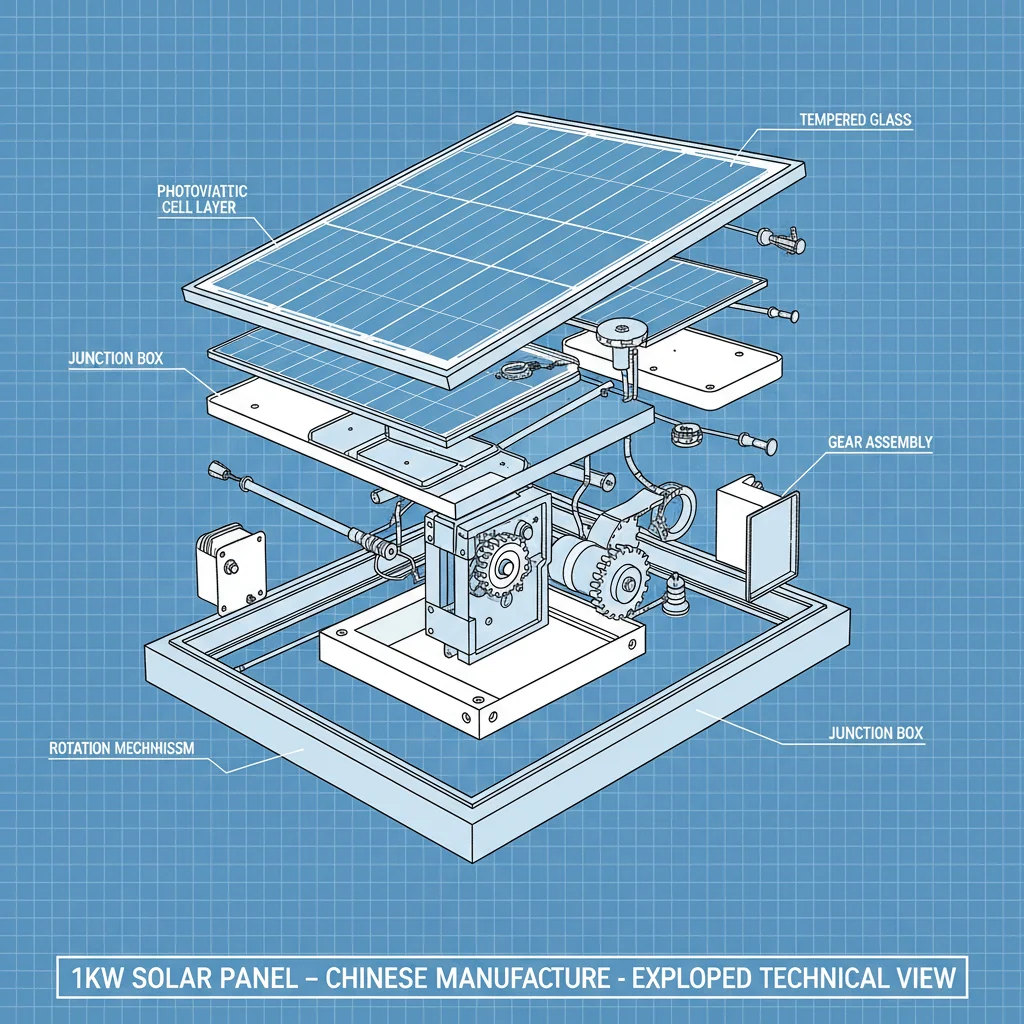
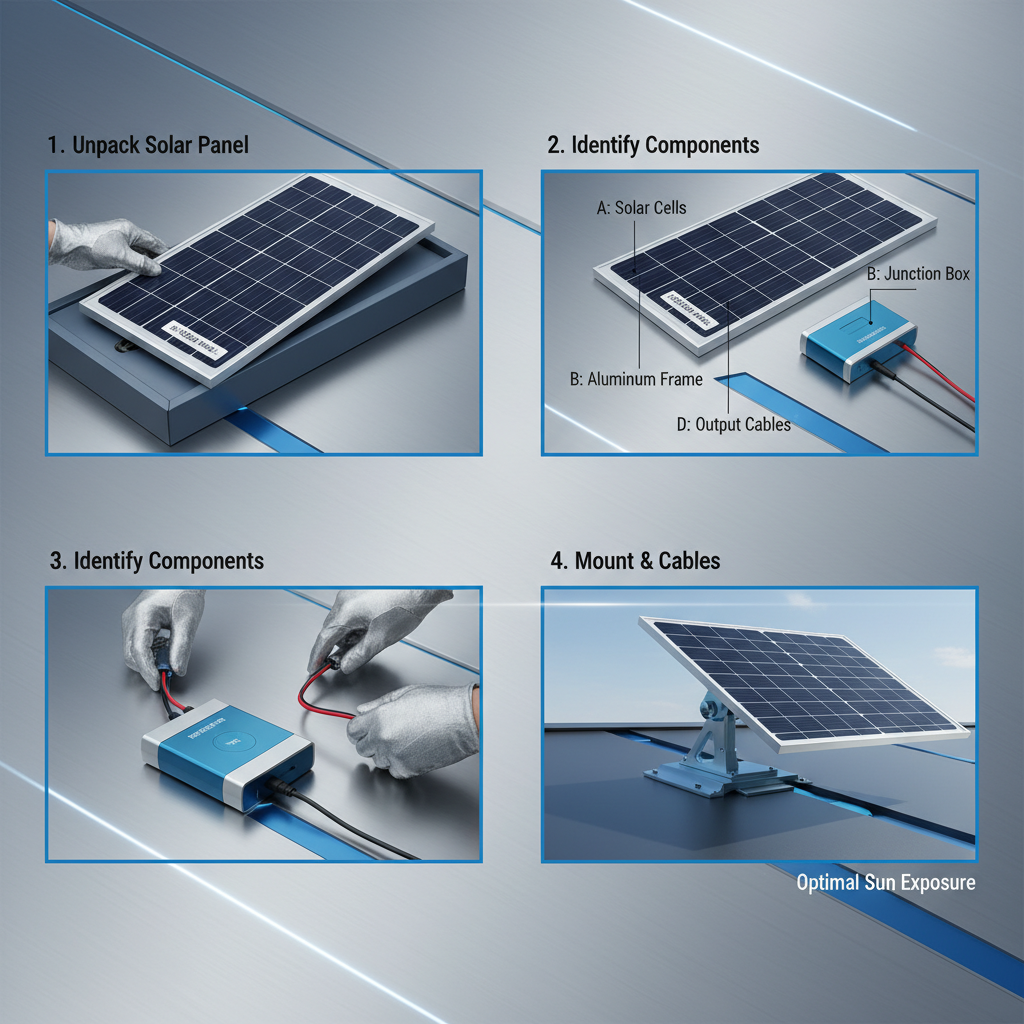
The core components of a 25 watt solar panel include the solar cells themselves, a protective front glass layer, an encapsulant material, a back sheet, a frame (usually aluminum), a junction box, and connecting cables. The quality of each component impacts the panel’s overall performance and lifespan. High-quality solar cells lead to greater efficiency, while durable framing and encapsulation protect against environmental damage.
Key characteristics to consider when evaluating a 25 watt solar panel include its voltage, current, open-circuit voltage (Voc), short-circuit current (Isc), and efficiency rating. Voltage and current determine the types of devices the panel can power or the batteries it can charge. Voc and Isc are important for understanding the panel's performance under different conditions.
Durability is also a critical factor, especially for applications where the panel will be exposed to harsh weather conditions. Look for panels with a robust frame and UV-resistant materials. Proper maintenance, such as regular cleaning, can further extend the panel's lifespan and maintain its efficiency.
Key Performance Indicators for 25 Watt Solar Panel Efficiency
Evaluating the performance of a 25 watt solar panel requires considering several key indicators. Efficiency, measured as a percentage, determines how much of the sunlight hitting the panel is converted into electricity. Higher efficiency translates to more power output from the same surface area.
Temperature coefficient is another crucial metric, indicating how the panel’s performance degrades with increasing temperature. A lower temperature coefficient is desirable, as it means the panel maintains its output even in hot conditions. Power tolerance specifies the range within which the panel’s actual power output can vary from its rated 25 watts.
25 Watt Solar Panel Performance Comparison
Global Applications and Use Cases of 25 Watt Solar Panels
25 watt solar panels find diverse applications globally. In developing countries, they provide essential power for lighting, mobile phone charging, and powering small radios in remote villages lacking grid infrastructure. This access to energy fosters education, improves communication, and supports economic activities.
In post-disaster relief operations, these panels are invaluable for providing emergency power to first responders, powering communication equipment, and enabling medical facilities to operate in areas where the power grid has been disrupted. Their portability and ease of deployment make them ideal for these challenging situations.
Advantages and Long-Term Value of 25 Watt Solar Panels
The advantages of a 25 watt solar panel extend beyond simply providing power. Their relatively low cost makes them accessible to a wider range of consumers, while their portability enables flexible deployment in various settings. They also offer a sustainable alternative to fossil fuels, reducing carbon emissions and minimizing environmental impact.
The long-term value lies in the reduced energy costs and increased energy independence they provide. While the initial investment may be required, the ongoing savings on electricity bills and the elimination of fuel costs can quickly offset this expense. Furthermore, investing in solar energy demonstrates a commitment to sustainability and responsible environmental practices.
The peace of mind knowing you have a reliable power source, independent of the grid, is a significant benefit. This is especially valuable in areas prone to power outages or for individuals who enjoy outdoor activities like camping or boating.
Future Trends and Innovations in 25 Watt Solar Panel Technology
The future of 25 watt solar panel technology is bright, with ongoing innovations focused on increasing efficiency, reducing costs, and improving durability. Researchers are exploring new materials, such as perovskites, which offer the potential for higher efficiency and lower manufacturing costs compared to traditional silicon-based cells.
Integration with smart grids and energy storage solutions is another key trend. Combining 25 watt solar panels with battery storage systems allows for reliable power supply even when sunlight is unavailable. Advances in digital control systems and monitoring technologies will also enhance the performance and longevity of these panels.
We can also expect to see increased emphasis on recycling and end-of-life management of solar panels, ensuring that these sustainable energy solutions remain environmentally responsible throughout their entire lifecycle.
FAQS
Most 25 watt solar panels are designed to last for 20-25 years, although their power output will gradually decrease over time, typically at a rate of around 0.5% per year. Proper maintenance, such as regular cleaning, can help extend their lifespan. The lifespan is also affected by the quality of the panel’s components and its operating environment.
25 watt solar panels perform best in direct sunlight. While they can generate some power on cloudy days, the output will be significantly reduced. The amount of sunlight needed depends on your energy needs and location. As a general rule, 4-6 hours of peak sunlight per day is considered sufficient for effective charging.
While a 25 watt solar panel can technically charge a car battery, it’s a very slow process and generally not practical for a full charge. It’s more suitable for maintaining a charge on a battery that’s already partially full, or for powering small accessories in a vehicle. You would typically need a charge controller to prevent overcharging.
A charge controller regulates the voltage and current coming from the solar panel to prevent overcharging and damaging the battery. It’s highly recommended, and often essential, when using a 25 watt solar panel to charge batteries. Without a charge controller, you risk shortening the battery’s lifespan or even causing it to fail.
Most 25 watt solar panels are designed to be weather-resistant, but not completely waterproof. They can withstand rain and snow, but prolonged submersion in water can damage the panel. Look for panels with an IP rating (Ingress Protection) for more specific information about their water resistance.
Always use a properly rated charge controller when charging batteries. Avoid touching the electrical terminals of the panel when it’s exposed to sunlight. Ensure the panel is securely mounted to prevent it from falling or being damaged. Disconnect the panel from the battery during severe weather conditions.
Conclusion
In conclusion, 25 watt solar panels represent a powerful and accessible solution for a wide range of energy needs. Their affordability, portability, and environmental benefits make them an increasingly attractive option for individuals, communities, and organizations around the globe. From powering small electronic devices to providing emergency power in disaster zones, these panels offer a practical and sustainable path towards energy independence.
As technology continues to advance, we can expect to see even more efficient, durable, and cost-effective 25 watt solar panels emerge. Embracing these innovations is crucial for building a more sustainable future and ensuring that everyone has access to clean, reliable energy. Visit our website at www.shaobosolar.com to explore our range of 25 watt solar panel solutions and learn more.