3 February 2026
Investing in solar energy is a smart move for both the environment and your wallet. But finding reliable solar power system suppliers can feel daunting. This article provides a comprehensive guide to navigating the solar market, identifying key factors to consider, and ultimately choosing a supplier that meets your needs. We'll cover everything from system types to certifications and ongoing support. A well-chosen supplier can ensure a smooth installation process, maximize energy savings, and provide peace of mind for years to come.

Before contacting potential suppliers, it's vital to understand the different types of solar power systems available. The three main types are: grid-tied, off-grid, and hybrid. Grid-tied systems are connected to the utility grid, allowing you to send excess energy back to the grid for credits. Off-grid systems operate independently, requiring battery storage to provide power when the sun isn't shining. Hybrid systems combine the benefits of both, offering grid connection with battery backup. Choosing the right system depends on your energy needs, location, and budget. Consider factors like net metering policies in your area and your desire for energy independence. Shaobo Solar specializes in all three types, tailoring solutions to your specific requirements.
Key Takeaway: Selecting the correct system type is the foundation for a successful solar installation. Consider your current and future energy consumption, location, and grid connectivity.
Choosing the right supplier requires careful consideration. Here are some critical factors: Experience & Reputation: Look for a supplier with a proven track record and positive customer reviews. Certifications & Licensing: Ensure the supplier has the necessary certifications (like NABCEP in North America) and licenses to operate in your area. Product Quality: Investigate the brands and quality of the solar panels, inverters, and batteries offered. Warranty & Support: A robust warranty and responsive customer support are essential. Pricing & Financing Options: Compare quotes from multiple suppliers and explore available financing options. Don't solely focus on the lowest price; consider the overall value and long-term benefits.
Essential Supplier Checklist:
• Proven Track Record & Positive Reviews
• Relevant Certifications & Licensing
• High-Quality Products (Panels, Inverters, Batteries)
• Comprehensive Warranty & Support
The solar market is competitive. Here's a comparison of key features offered by different suppliers. Note that pricing can vary significantly based on system size and location.
Disclaimer: Pricing is an estimate and will vary.Even with the best components, a poorly designed or installed system won't deliver optimal performance. A reputable supplier will offer professional system design services, taking into account your roof orientation, shading, and energy consumption patterns. They should also use qualified and certified installers to ensure a safe and efficient installation process. Shaobo Solar provides comprehensive design and installation services, ensuring your system is optimized for maximum energy production.
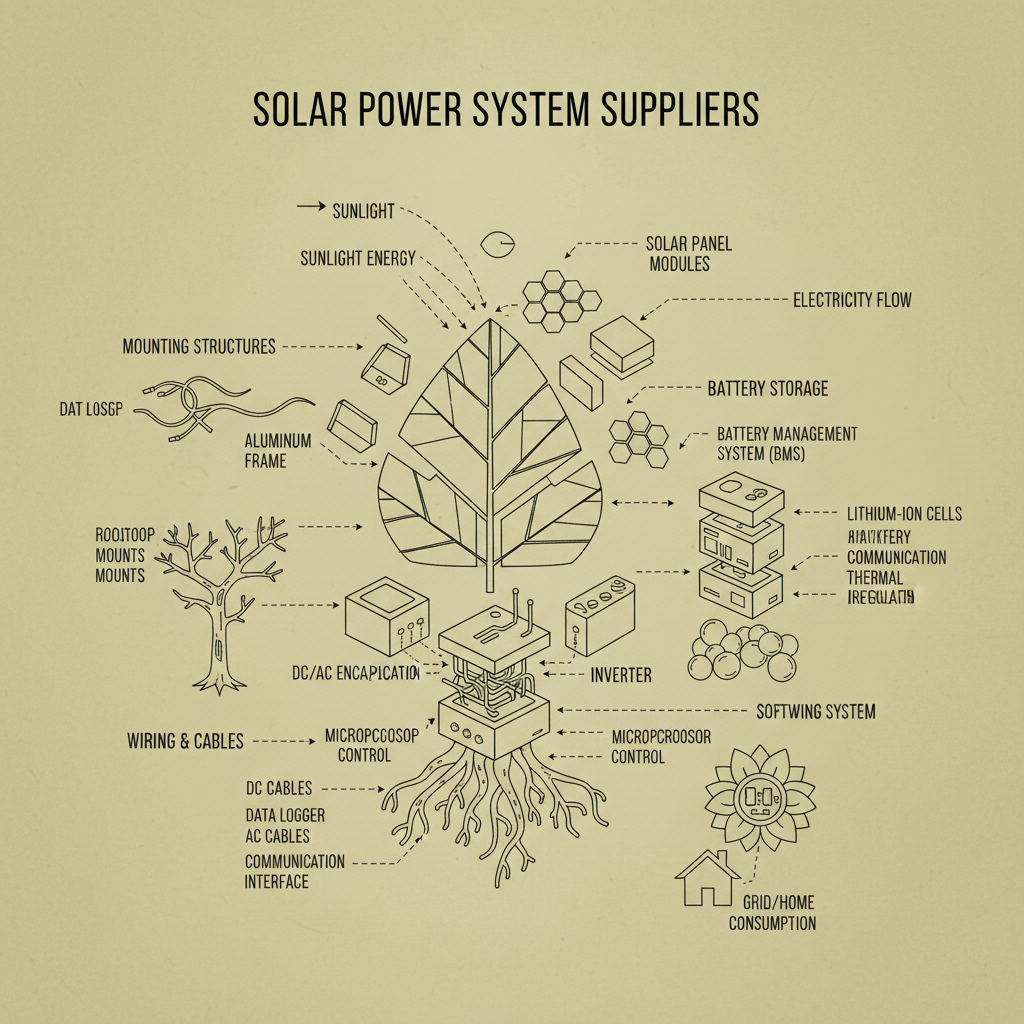
Choosing the right solar power system supplier is a crucial step towards a sustainable and cost-effective energy future. By carefully considering the factors outlined in this guide – system types, supplier qualifications, product quality, and installation services – you can make an informed decision. Don't hesitate to ask questions, compare quotes, and choose a partner you trust. Shaobo Solar is dedicated to providing high-quality solar solutions and exceptional customer service.
Net metering is a billing mechanism that allows solar customers to receive credits on their electricity bills for excess energy sent back to the grid. Essentially, your electricity meter runs backward when your solar panels generate more electricity than you're consuming. These credits can offset your electricity costs during times when your solar panels aren't producing enough energy (like at night or on cloudy days). The specific rules and rates for net metering vary by location and utility company, so it's crucial to understand the policies in your area. A good solar supplier, like Shaobo Solar, can help you navigate these regulations.
Solar power systems require minimal maintenance. Generally, you'll want to keep the panels clean from dirt, dust, and debris, which can affect their performance. Rain typically provides sufficient cleaning, but occasional washing may be necessary, particularly in areas with high pollution. It's also recommended to have a professional inspection every few years to check for any loose connections or potential issues with the inverter or other components. Shaobo Solar offers maintenance packages to ensure your system operates at peak efficiency.
The installation timeframe can vary depending on the size and complexity of the system, as well as permitting requirements. However, a typical residential installation usually takes between 1 to 3 days. The process includes mounting the panels, wiring the system, connecting it to the grid, and final inspections. A reliable supplier like Shaobo Solar will provide a clear timeline and keep you informed throughout the entire process.


Hit enter to search or ESC to close