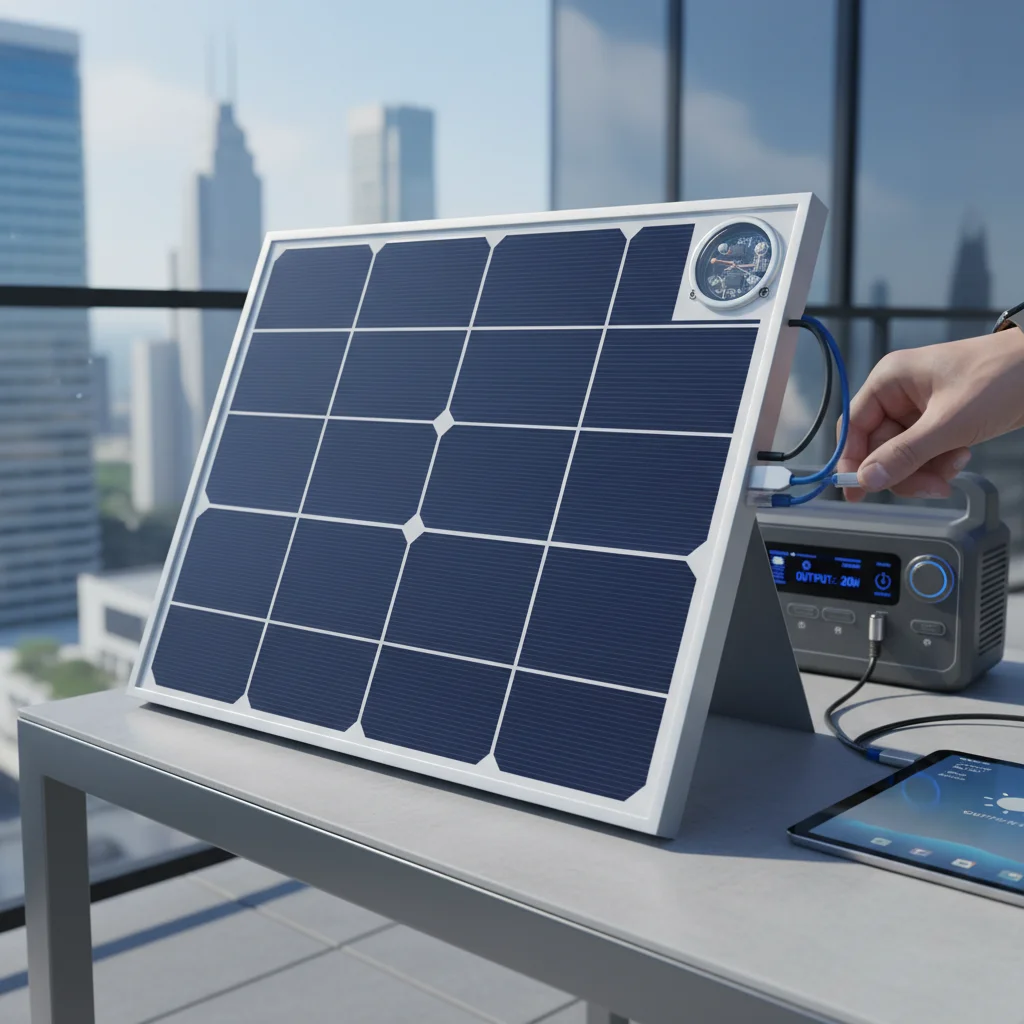
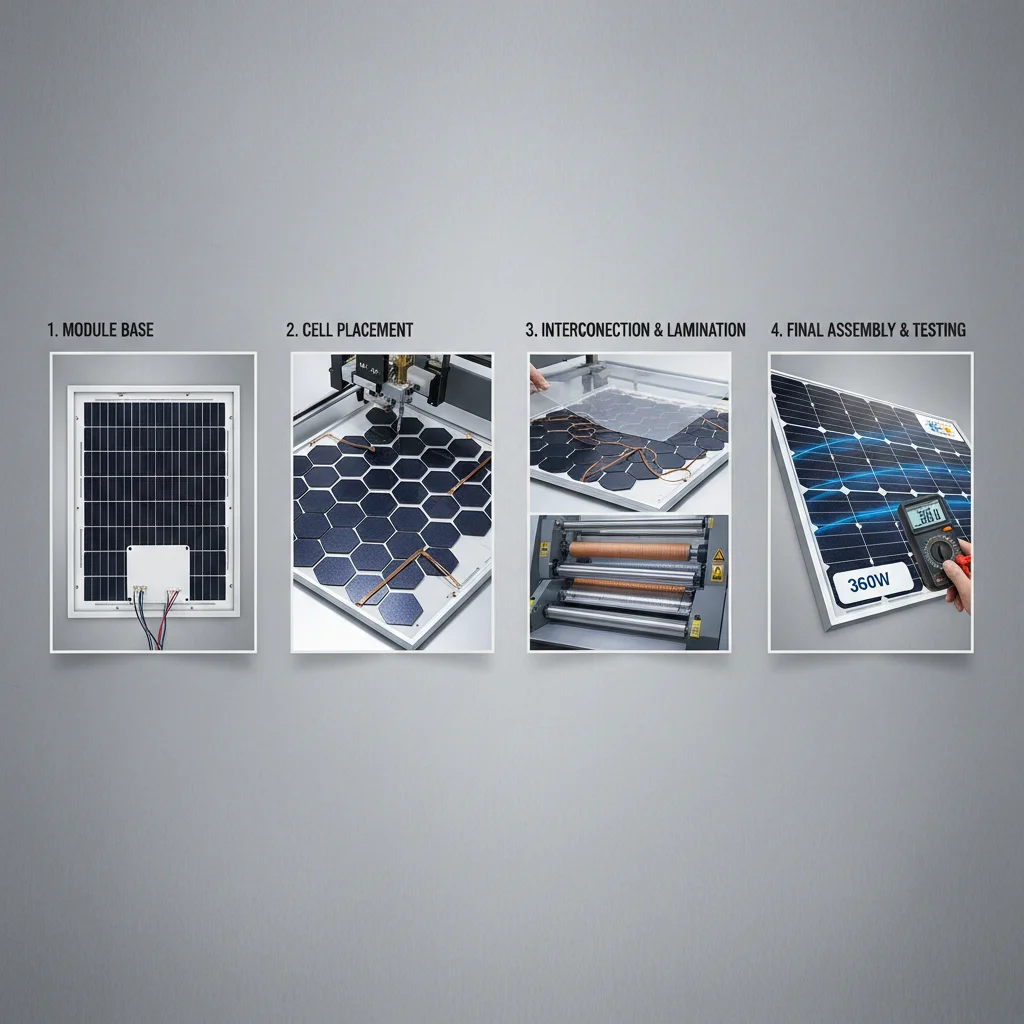
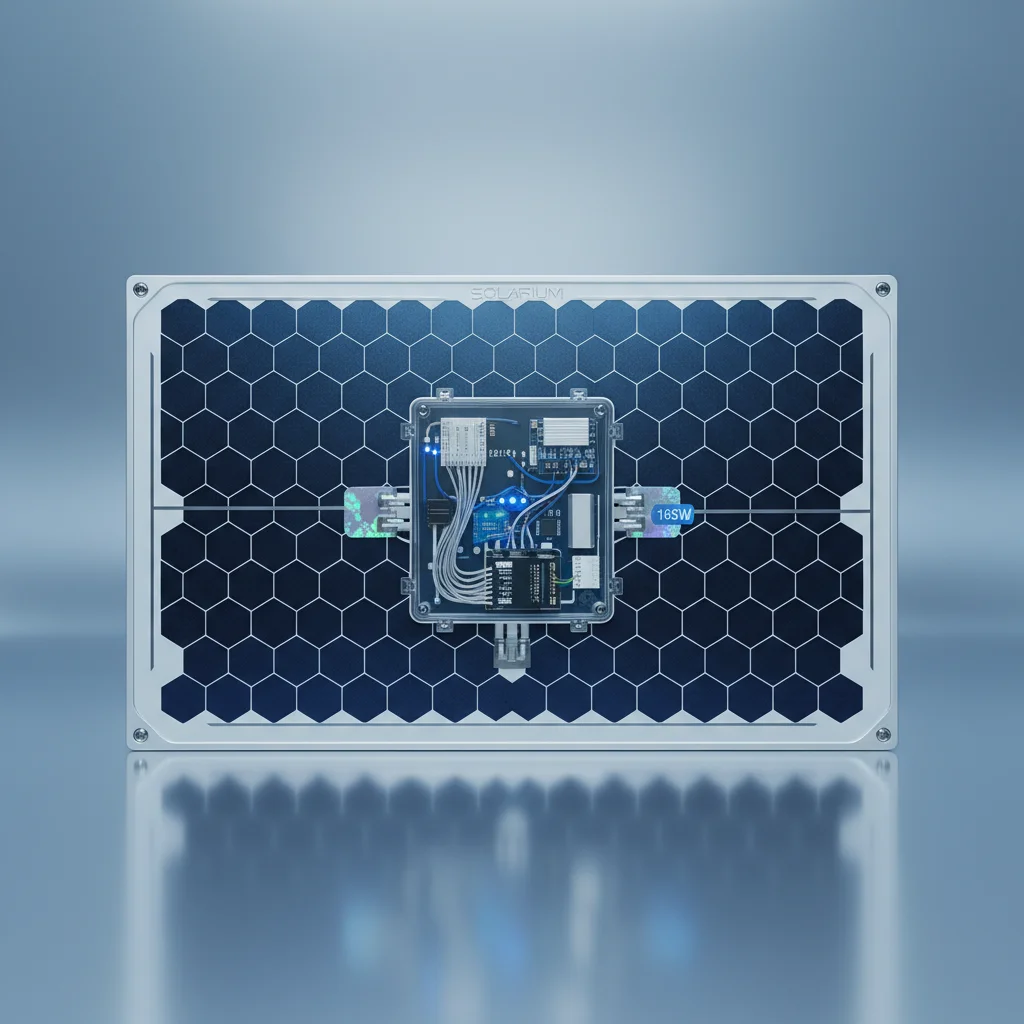
Look, china solar panel price has been… a ride this year. Everyone’s chasing higher efficiency, smaller footprints, you know the drill. But honestly, it’s the little things that get you. Like, everyone’s focusing on PERC and TOPCon, but have you noticed the supply chain for the encapsulant film? That's where things really get hairy. It's a bottleneck, I tell ya. A bottleneck.
And the push for bifacial… don't even get me started. Seems great on paper, right? More power, simple. But installation? It adds complexity, and if the albedo isn’t right, you’re basically paying for nothing. I spent a week last month at a site in Gansu province, dust everywhere, the reflection… negligible. Total waste. It just proves, lab results and real-world performance are worlds apart.
What people don't realize is the sheer volume we're talking about. China is pumping out panels, and the pressure is on for lower, lower, lower prices. That inevitably means compromises.
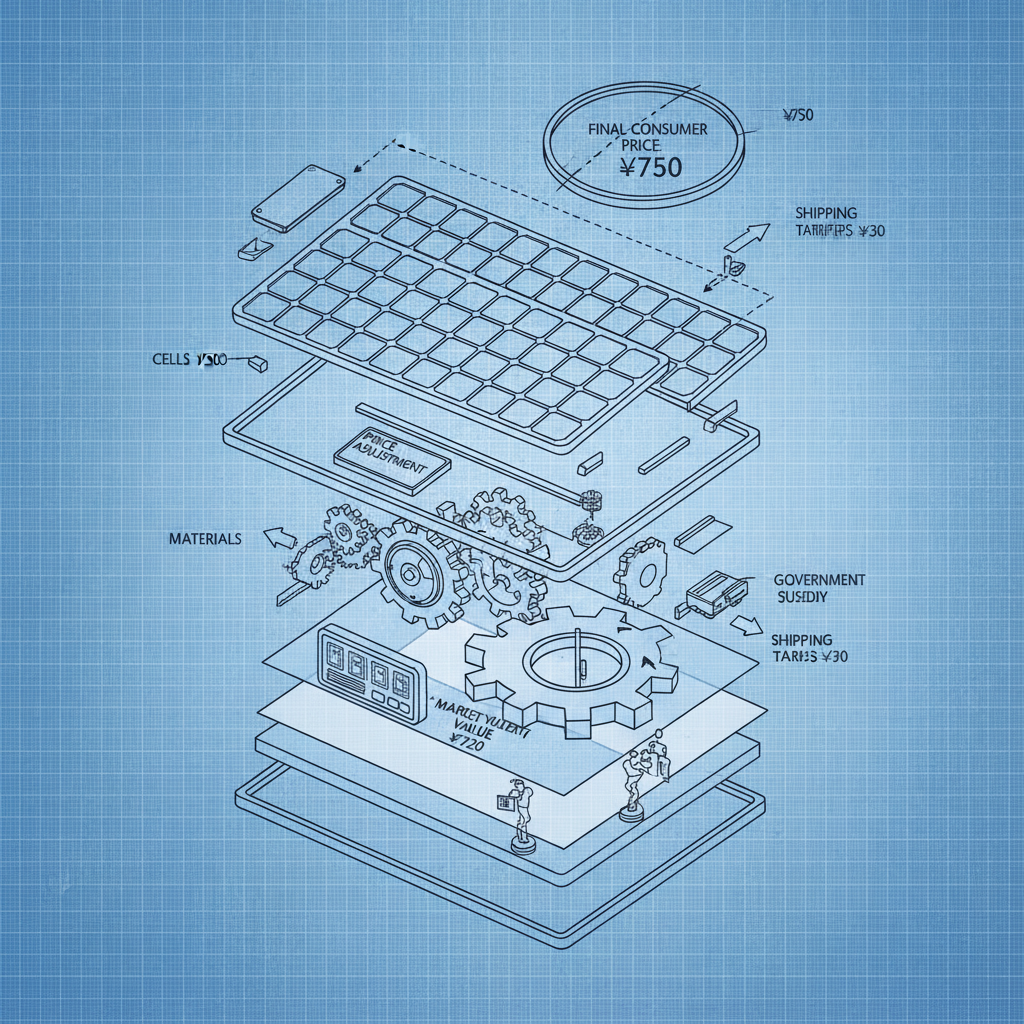
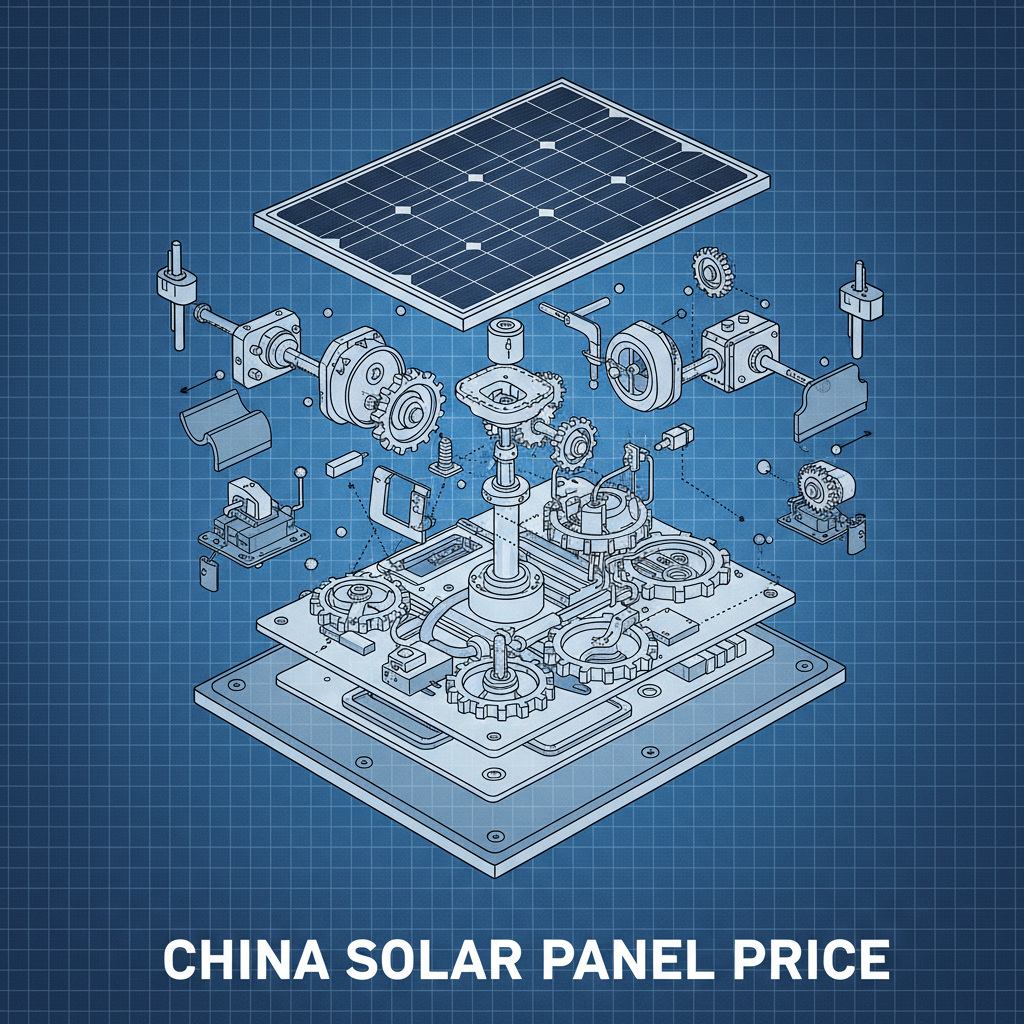
Honestly, you’ve got to keep your eyes open. The whole market is fluctuating like crazy. Raw material costs are insane - polysilicon especially. I encountered a situation at a factory in Jiangsu last time; they were literally rationing silicon wafer production. Crazy! It drives up the china solar panel price, obviously.
But it’s not just materials. Government policies, trade tariffs…they all play a role. And the competition? It's brutal. So many manufacturers, all trying to undercut each other. It means a lot of panels are… well, let’s just say they’re not built to last. You get what you pay for, as they say.
Most reputable china solar panel price come with a 25-30 year performance warranty, guaranteeing at least 80% of their initial power output. However, panels can often last longer, even 40-50 years, with proper maintenance and favorable environmental conditions. Degradation is a gradual process, and while output will decline over time, the panel will continue to generate electricity for decades.
Higher temperatures actually reduce the efficiency of solar panels. Silicon-based panels, like most china solar panel price, have a negative temperature coefficient. This means that for every degree Celsius above 25°C, the power output will decrease by a small percentage (typically around 0.3-0.5%). Good ventilation and panel design can help mitigate this effect.
Don’t just look at the price per watt. Consider the panel’s efficiency, degradation rate, warranty terms, and the reputation of the manufacturer. Also, factor in the cost of installation, inverters, racking, and other components. A slightly more expensive panel with a better warranty and higher efficiency could save you money in the long run.
Monocrystalline panels are made from a single crystal of silicon, resulting in higher efficiency and a sleek black appearance. Polycrystalline panels are made from multiple silicon fragments, making them slightly less efficient but also more affordable. For space-constrained installations, monocrystalline is often the better choice, while polycrystalline can be a good option for larger areas where cost is a primary concern.
Bifacial panels generate power from both sides, potentially increasing energy yield by 5-30%. However, they require a reflective surface underneath (like a white roof or gravel) to maximize their benefit. Whether it’s worth the investment depends on the installation environment and the overall cost-benefit analysis. They’re not always a slam dunk.
Common issues include delamination (separation of layers), corrosion, hot spots (localized overheating), and glass breakage. Poor manufacturing quality, harsh weather conditions, and inadequate maintenance can all contribute to these failures. Regular inspections and preventative maintenance can help identify and address problems before they become serious.
So, ultimately, china solar panel price isn’t just about the numbers on a datasheet. It’s about quality, reliability, and making a smart investment. It’s about understanding the whole system – from the silicon wafer to the grid connection. And, honestly, it’s about finding a supplier you can trust.
Because, at the end of the day, whether this thing works or not, the worker will know the moment he tightens the screw. You can run all the simulations you want, but real-world experience is what matters. And that’s what I’ve learned after all these years on the jobsite. Visit our website at china solar panel price to learn more.



Hit enter to search or ESC to close