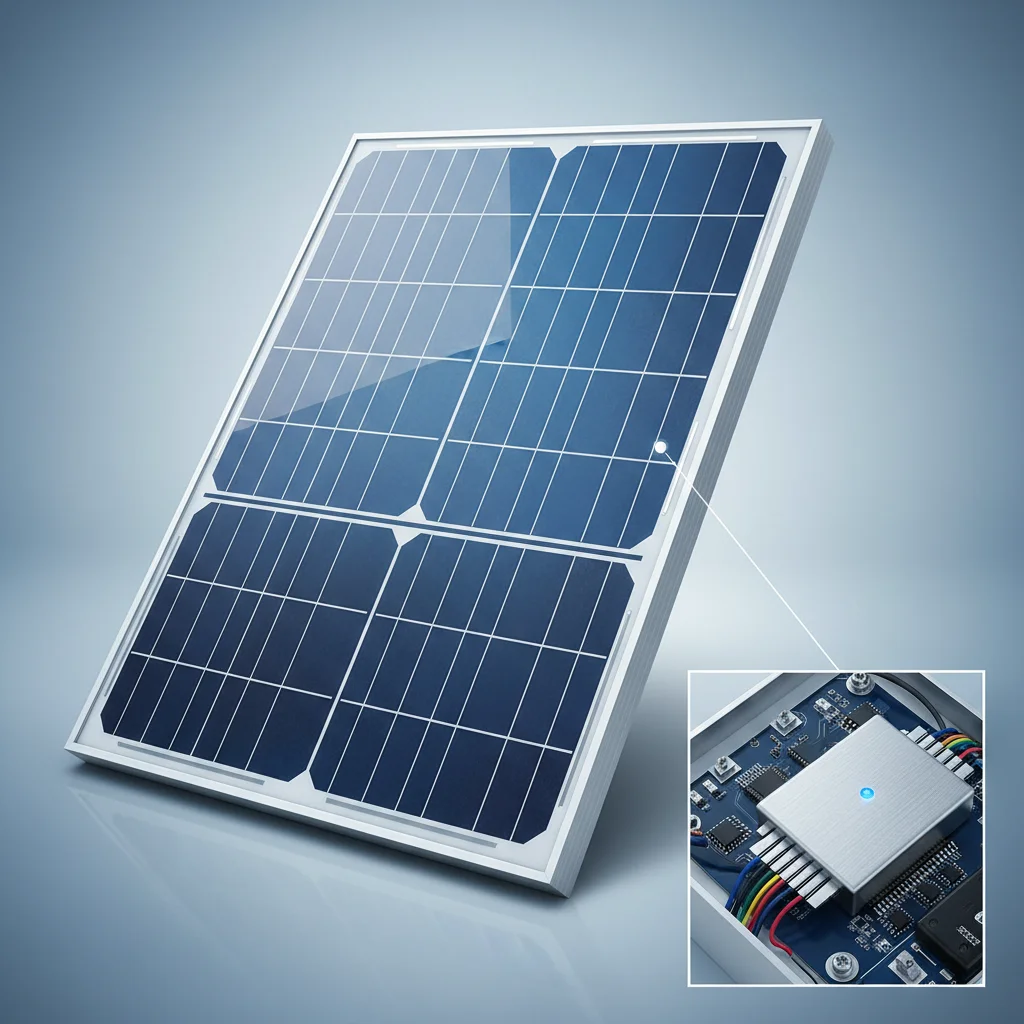
You know, lately everyone's talking about miniaturization and integration. Seems like every other engineer is trying to cram more and more into smaller spaces. To be honest, it's a bit tiring. I’ve been on sites where you can barely reach the screws because everything's so tightly packed. It's not always about making things smaller, sometimes it's about making them *usable*.
Have you noticed how many companies get tripped up on heat dissipation? They design these powerful components, then wonder why everything overheats after five minutes. I encountered this at a factory in Dongguan last time – a whole batch of controllers fried because the thermal paste wasn't applied properly. Simple stuff, right? But easily overlooked when you're rushing to meet deadlines.
Industry Trends & Design Pitfalls
Strangely enough, everyone wants 'smart' these days. Solar power system manufacturer is no exception, with talk of AI-powered optimization and remote monitoring. It's good, don’t get me wrong, but I’ve seen plenty of ‘smart’ systems go down because the cloud connection dropped. Simple systems, well-built, are still king. You need reliability, especially when you're dealing with something that's supposed to keep the lights on.
And the designs... I swear, some designers have never actually *touched* the components they're designing with. They'll specify a connector that's impossible to reach with a standard screwdriver, or a housing that can't withstand a mild breeze. Anyway, I think getting back to basics – solid engineering, robust materials – is what’s really needed.
Material Matters: A Hands-On Perspective
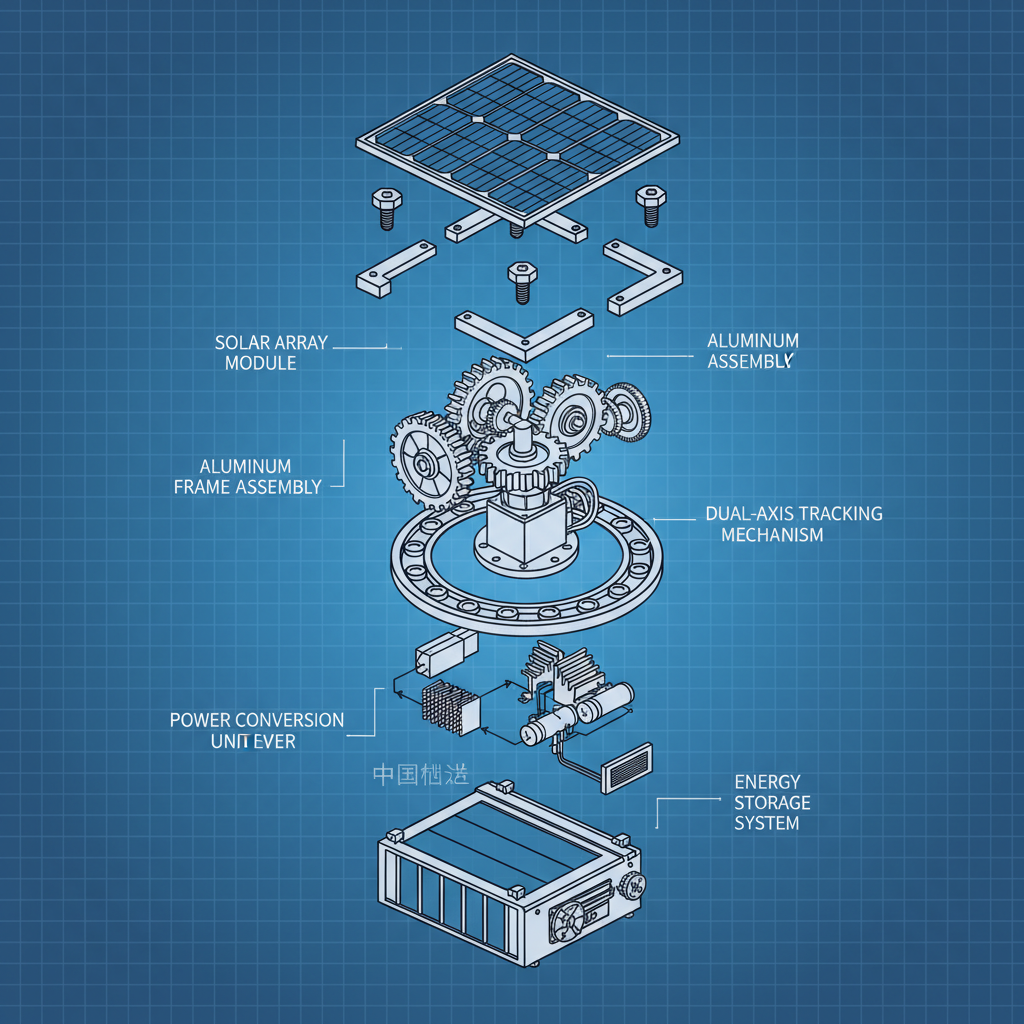
Let's talk materials. The silicon wafers, obviously, are the heart of it all. Feels fragile, always makes me nervous handling them. You can smell the chemicals when you first open the packaging, a slightly acrid odor. Then there's the aluminum framing - sturdy stuff, but you gotta watch out for corrosion, especially near the coast. We use a special coating, a polymer blend, to protect against that. It's a bit rubbery to the touch, almost like a thick plastic wrap.
The cables… oh, the cables. I've seen so many fail because they weren’t UV-resistant. They get brittle, crack, and then you’ve got a whole mess of problems. We're switching to a new type of cross-linked polyethylene - feels a bit smoother, more pliable. And the glass, it has to be tempered, obviously, but also low-iron. Otherwise, you lose efficiency.
Honestly, it's all about feeling the quality. A good panel *feels* solid, *feels* well-made. You can tell just by picking it up. It’s not something you can measure on a datasheet. It’s experience.
Testing Real-World Durability
Lab tests are fine, but they don’t tell the whole story. We do our own testing, more… pragmatic. We mount panels on a rig and subject them to simulated hail storms, sandstorms, even bird droppings (don’t ask). We also put them through thermal cycling – freezing them overnight, then baking them in the sun. It’s brutal, but it weeds out the weak ones.
I once saw a panel fail after just two cycles of thermal stress. The housing cracked, and the encapsulant started to delaminate. Turned out the manufacturer had skimped on the quality control.
We also do drop tests. Not from crazy heights, but enough to simulate what might happen during shipping and installation. A lot of people think these panels are indestructible. They're not. They need to be treated with respect.
And here’s a secret: we sometimes bury panels partially in soil, just to see how they hold up against moisture and ground movement. It’s a bit messy, and the engineers give me funny looks, but it’s surprisingly informative. It tells you a lot about the ingress protection of the housing and the corrosion resistance of the components.
Later… Forget it, I won’t mention the time we tried simulating a lightning strike. That was a disaster.
How Users *Actually* Utilize Solar Systems
It's never what you expect, is it? You design these systems for a specific application, and then users find ways to use them that you never even considered. I’ve seen systems powering everything from remote weather stations to off-grid hydroponic farms. One guy in Nevada was using a system to power a bitcoin mining rig.
What's surprising is how many people just don't bother with the maintenance. They install the panels and then forget about them. Dust buildup is a major issue, and it dramatically reduces efficiency. I tell everyone, “Wash your panels!” But do they listen? Not always.
Solar Power System Manufacturer Application Areas
Advantages, Disadvantages, and Customization
The advantages are obvious: clean energy, lower electricity bills, reduced carbon footprint. But let’s be real, they’re not perfect. The initial cost is still a barrier for a lot of people, and the performance can be affected by weather conditions. The lifespan is improving, but you're still looking at replacing components every 20-25 years.
We do offer customization, though. Last year, a research group wanted panels with integrated sensors to monitor temperature and humidity. It was a pain to implement, involved redesigning the encapsulant, but we got it done. They needed a specific data output format, too – Modbus TCP, if you can believe it. It’s always something.
A Customer Story from Shenzhen
Last month, that small boss in Shenzhen who makes smart home devices insisted on changing the interface to . A interface on a solar panel charge controller! I told him it was overkill, that a standard DC barrel connector would be more reliable and cheaper, but he wouldn't listen. "It's more modern!" he said. The result? A bunch of returns because the connector kept failing after a few weeks of exposure to humidity. He finally caved and switched back to the barrel connector, but not before losing a lot of money and a whole lot of sleep. It's a reminder that sometimes, the simplest solution is the best.
Honestly, some customers just want to be different, even if it means sacrificing functionality and reliability. You learn to pick your battles.
And don't even get me started on the ones who try to install the panels themselves without any training. I've seen some truly terrifying setups.
Practical Performance Metrics
We track a lot of data, but some things matter more than others. Efficiency is key, of course, but so is degradation rate. How much does the panel’s output decrease over time? We aim for less than 0.5% degradation per year. Temperature coefficient is also important - how much does the output drop as the panel heats up?
And then there's the whole issue of shading. Even partial shading can significantly reduce output. We use bypass diodes to mitigate that, but it's still a factor.
Ultimately, whether this thing works or not, the worker will know the moment he tightens the screw.
Key Performance Indicators for Solar Panel Reliability
| Component |
Metric |
Testing Method |
Acceptable Range |
| Silicon Wafers |
Conversion Efficiency |
Standard Test Conditions (STC) |
>20% |
| Encapsulant |
UV Degradation |
Accelerated Weathering Test |
<5% power loss after 1000 hours |
| Aluminum Frame |
Corrosion Resistance |
Salt Spray Test |
No visible corrosion after 48 hours |
| Cables & Connectors |
Temperature Range |
Thermal Cycling Test |
-40°C to +85°C |
| Backsheet |
Moisture Permeation |
Water Vapor Transmission Rate (WVTR) |
<2 g/m²/24h |
| Glass Cover |
Impact Resistance |
Hail Impact Test |
No cracks after impact from 25mm hailstone |
FAQS
Honestly, it’s corrosion. Salt air, humidity, temperature swings—they all take a toll. We’ve moved to using specialized connectors with a gold plating and sealant, but regular inspections are still crucial. I’ve seen too many panels fail because someone ignored a little bit of rust. It starts small, but it can quickly spread and compromise the entire connection, leading to reduced output or even a complete failure. So preventative maintenance is key.
Over-tightening the bolts! Seriously, it happens all the time. People think they’re making it more secure, but they're actually stripping the threads or cracking the frame. You need to use a torque wrench and follow the manufacturer's specifications. It’s not about brute force, it’s about precision. Another common issue is improper grounding – a potentially dangerous situation. Always double-check the grounding connections.
That’s a tough one. Visual inspection isn’t enough; they're often invisible to the naked eye. We use electroluminescence (EL) imaging. It’s like an infrared camera for solar cells. Micro-cracks show up as dark lines in the image. It’s expensive, but it’s the most reliable way to detect these hidden defects. They don't always cause immediate problems, but they can worsen over time and reduce efficiency.
Inverters are usually the first component to fail, typically around 10-15 years. They're constantly dealing with fluctuating DC voltages and temperatures, which takes a toll. We recommend regular monitoring of the inverter’s performance and replacing it proactively before it completely fails. A failing inverter can not only reduce energy production but also potentially damage the panels. There's a lot of innovation in inverter technology happening now, too, with more robust designs and longer warranties.
Critically important! Even partial shading can significantly reduce output. That’s why we emphasize careful site assessment and panel placement to minimize shading from trees, buildings, or other obstacles. We also use bypass diodes in the panels to help mitigate the effects of shading, allowing current to flow around the shaded cells. But the best solution is always to avoid shading altogether if possible.
Honestly, the improvements in module efficiency are impressive. We’re seeing panels with efficiencies over 22% now, which means they generate more power from the same surface area. Also, the development of bifacial panels – which generate power from both sides – is a game-changer, especially in areas with highly reflective surfaces like snow or sand. And the declining cost of solar energy is making it accessible to more people than ever before.
Conclusion
So, to recap, solar power system manufacturer is a constantly evolving field. It’s not just about fancy technology, it’s about solid engineering, robust materials, and a deep understanding of how these systems operate in the real world. The industry is pushing for miniaturization and smart features, but reliability remains paramount.
Looking ahead, I think we’ll see even more emphasis on customization, with panels tailored to specific applications and environments. And ultimately, whether this thing works or not, the worker will know the moment he tightens the screw. Visit our website: www.shaobosolar.com to learn more about our solutions.