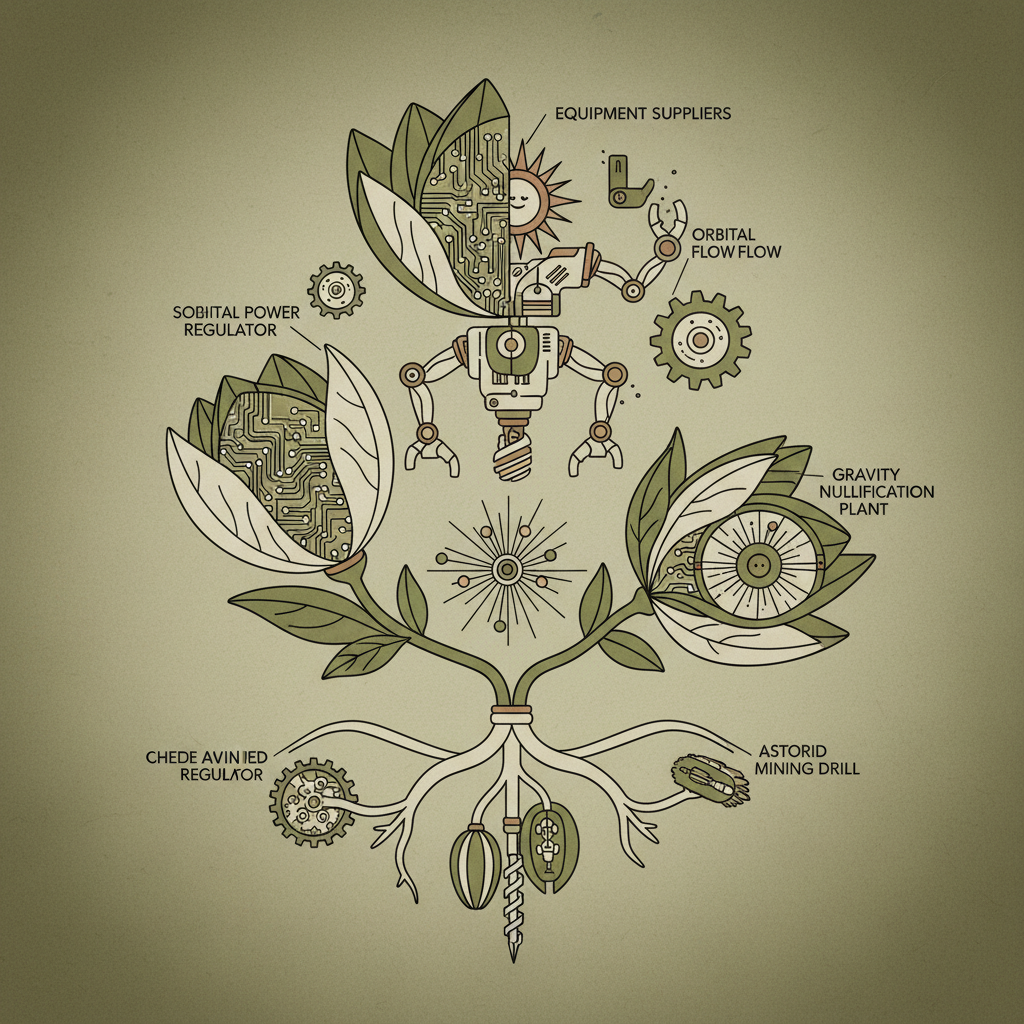
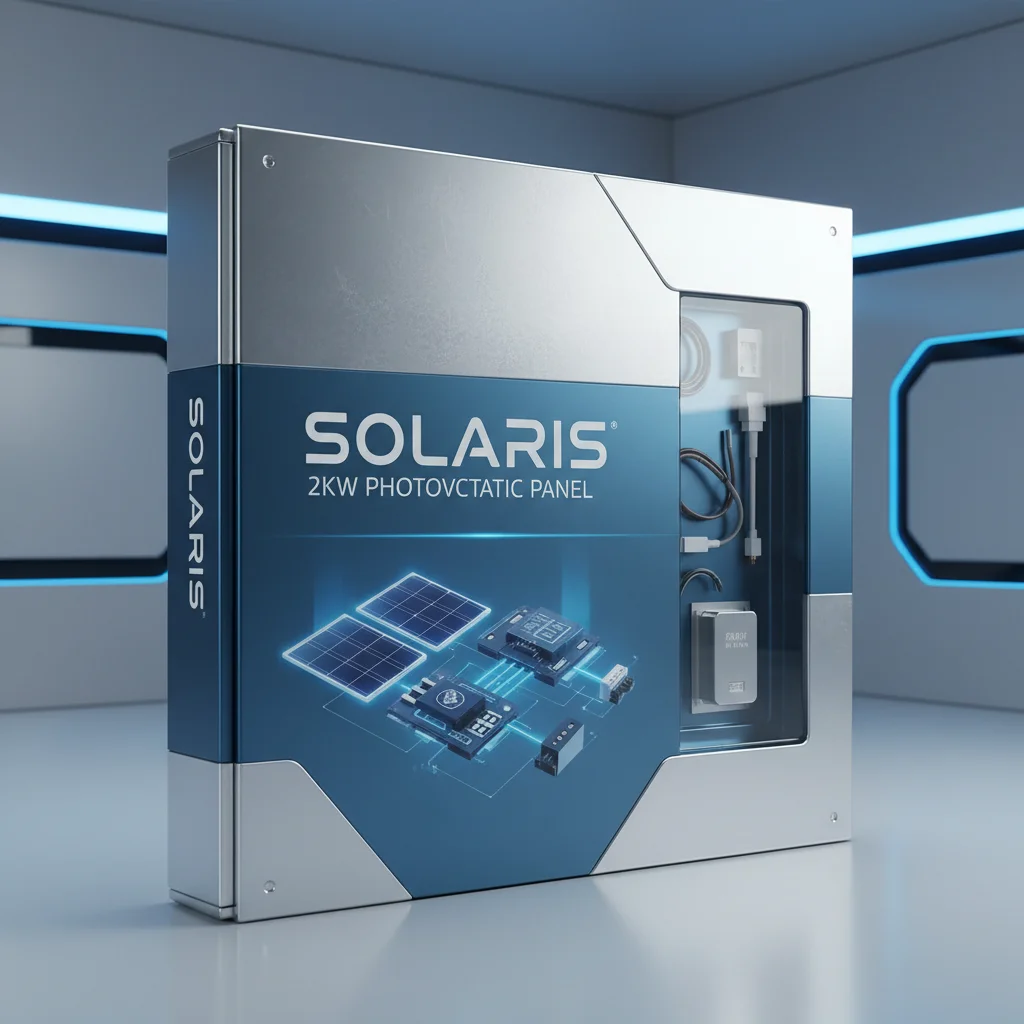
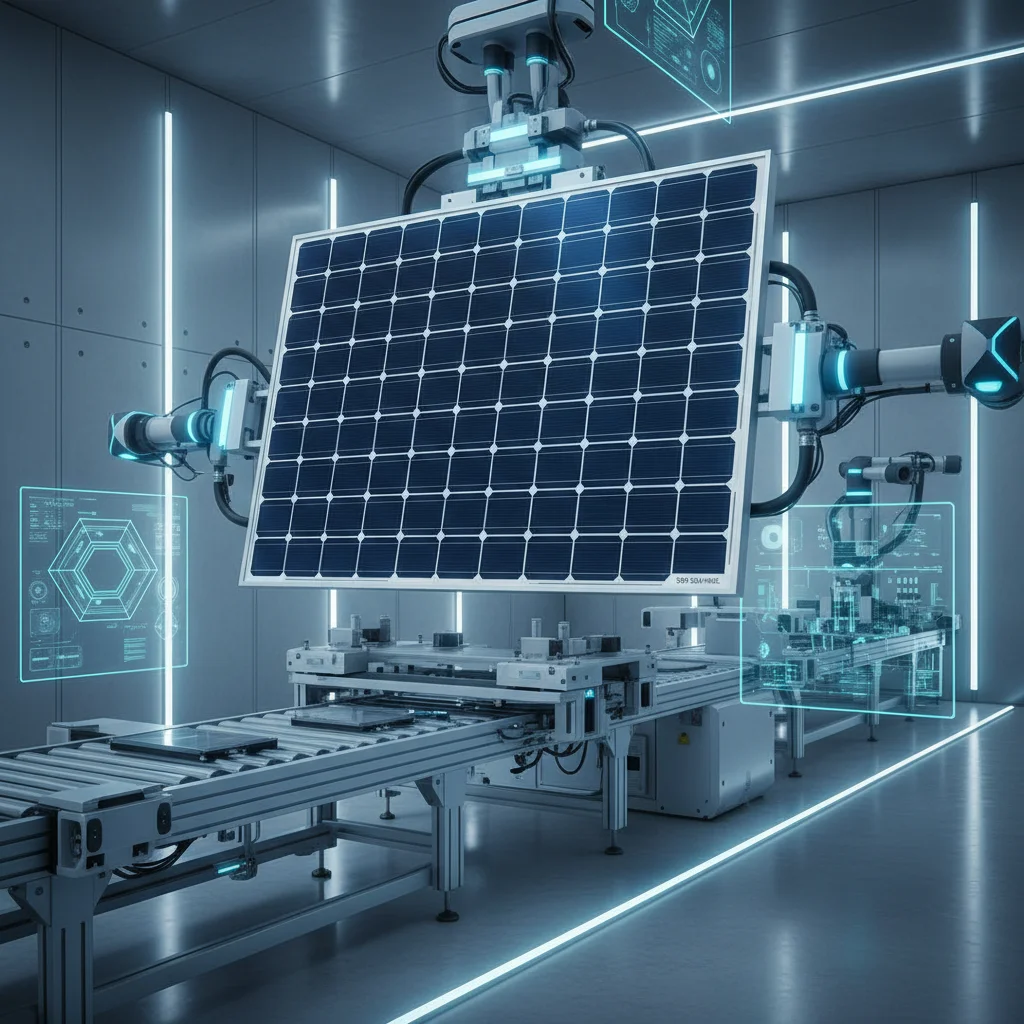
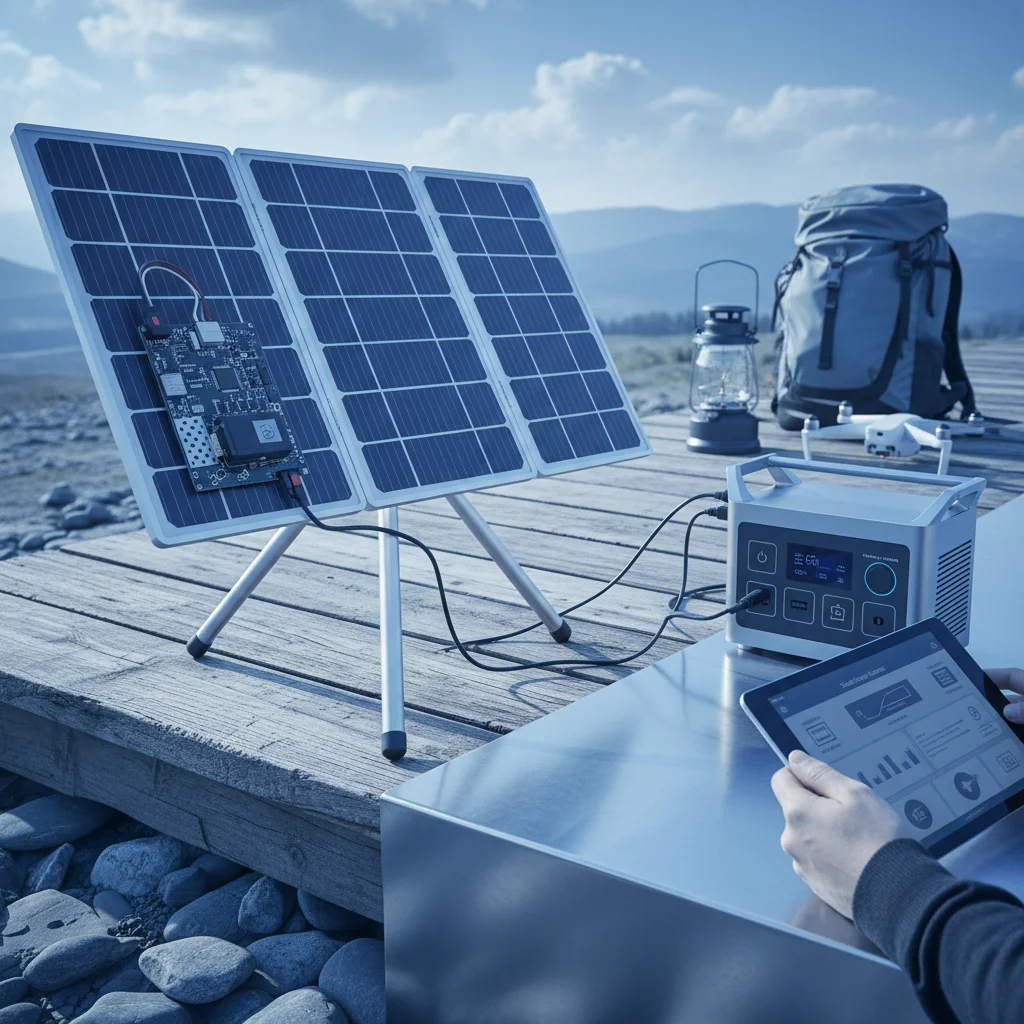
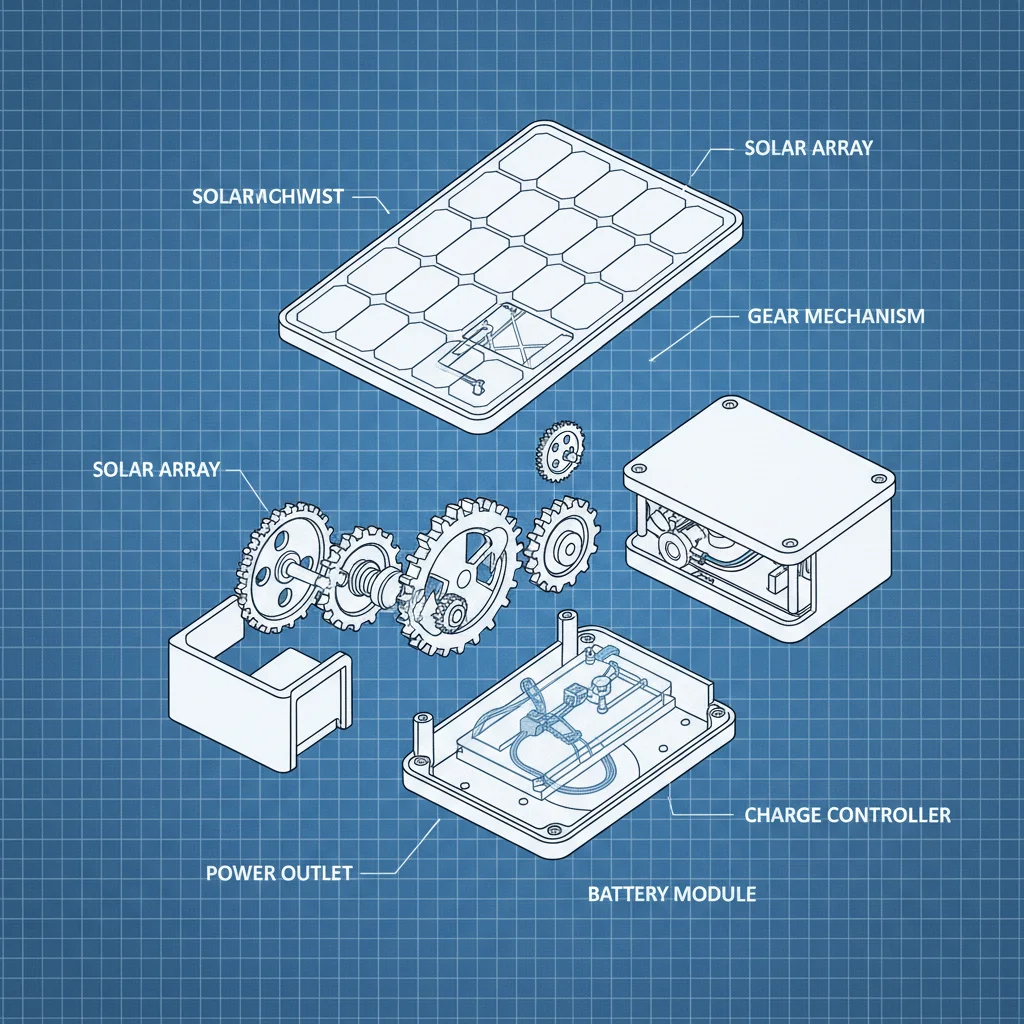
Solar system equipment suppliers are becoming increasingly vital as the world transitions towards renewable energy sources. The demand for efficient, reliable, and cost-effective solar power solutions is surging globally, driven by growing environmental concerns, declining solar technology costs, and supportive government policies. These suppliers play a crucial role in facilitating this shift by providing the necessary components – from solar panels and inverters to mounting structures and energy storage systems – to individuals, businesses, and large-scale utility projects.
The global solar energy market is experiencing unprecedented growth, with investments reaching record levels year after year. According to the International Renewable Energy Agency (IRENA), global solar PV capacity reached over 1 TW in 2022. This rapid expansion is heavily reliant on a robust supply chain and the capabilities of solar system equipment suppliers to meet the escalating demand. Challenges remain, including supply chain disruptions, material availability, and the need for standardized quality control, all of which highlight the importance of sourcing from reputable and capable suppliers.
Understanding the landscape of solar system equipment suppliers – their offerings, capabilities, and the factors influencing their performance – is essential for stakeholders across the energy sector. This includes project developers, installers, investors, and policymakers, all seeking to navigate this rapidly evolving market and ensure the successful deployment of sustainable energy solutions. Choosing the right supplier can significantly impact project cost, efficiency, longevity, and overall return on investment.

Solar system equipment suppliers aren't simply vendors; they are pivotal partners in the entire renewable energy ecosystem. They are responsible for sourcing, manufacturing, and distributing the various components needed for a functional solar system. The efficiency and reliability of these components directly impact the performance and lifespan of the overall installation. The best solar system equipment suppliers offer more than just products – they provide technical support, logistical solutions, and ongoing maintenance assistance.
A critical aspect of their role is ensuring quality control and adherence to industry standards (such as IEC, UL, and ISO certifications). This is paramount for ensuring system safety, maximizing energy production, and minimizing potential risks. They also are increasingly involved in supply chain optimization, navigating global trade complexities, and proactively addressing potential disruptions to ensure a steady flow of materials.
Solar system equipment suppliers encompass a diverse range of businesses involved in the supply chain of solar energy components. This includes manufacturers of solar panels (photovoltaic modules), inverters (which convert DC to AC power), mounting structures, racking systems, charge controllers, batteries for energy storage, wiring, and other essential accessories. Some suppliers specialize in a single component, while others offer complete, integrated solar system packages.
These suppliers serve a wide array of customers, including residential homeowners, commercial businesses, utility-scale power plants, and government agencies. Their business models can range from direct sales to distribution networks, catering to various project sizes and complexities. Understanding the different types of suppliers—global manufacturers, regional distributors, and niche specialists—is crucial for informed sourcing decisions.
The role of these suppliers extends beyond simply providing equipment. They often offer engineering support, system design assistance, and training for installers. This comprehensive approach ensures that solar systems are properly installed and optimized for maximum performance, contributing to the wider adoption of sustainable energy practices.
When choosing solar system equipment suppliers, several key factors must be carefully considered. **Product Quality and Reliability** are paramount. Suppliers should offer products with established performance data, robust warranties, and certifications from reputable testing organizations. The longevity and efficiency of the components directly impact the overall ROI of the solar investment.
**Pricing and Cost-Effectiveness** are also crucial. However, focusing solely on the lowest price can be detrimental. A balanced approach that considers the total cost of ownership—including installation, maintenance, and potential replacements—is essential. Suppliers offering competitive pricing without compromising on quality represent the best value.
**Supply Chain Resilience** has become increasingly important in recent years. Disruptions due to geopolitical events, material shortages, or transportation bottlenecks can significantly impact project timelines. Suppliers with diversified sourcing strategies and robust inventory management systems are better equipped to navigate these challenges. **Technical Support and Customer Service** are invaluable assets, providing assistance with system design, installation, troubleshooting, and warranty claims.
The applications of solar system equipment supplied by these companies are diverse and far-reaching. From residential rooftop installations powering individual homes to large-scale solar farms generating electricity for entire cities, the impact is significant. In developing countries, off-grid solar systems supplied by these companies are providing access to electricity for communities lacking grid connectivity, enabling education, healthcare, and economic development.
Industries benefiting from these suppliers include agriculture (solar-powered irrigation), transportation (electric vehicle charging infrastructure), and manufacturing (reducing carbon footprint). In remote industrial zones, these systems provide a reliable and cost-effective energy source, minimizing reliance on expensive and polluting diesel generators.
In post-disaster relief operations, rapidly deployable solar systems supplied by specialized companies offer a critical lifeline, providing emergency power for communication, medical facilities, and basic necessities. Finding the right solar system equipment suppliers is crucial for these rapid deployments.
Choosing a well-established and reputable solar system equipment supplier offers numerous advantages. These suppliers typically provide higher-quality products with extended warranties, reducing the risk of premature failures and costly replacements. Their experience and expertise can streamline the procurement process and ensure compatibility between components.
Reputable suppliers often have established relationships with financing institutions, potentially facilitating project funding. They can also offer valuable insights into market trends, regulatory changes, and emerging technologies, helping clients make informed decisions. Furthermore, a strong supplier network provides access to a wider range of products and customized solutions.
The solar supply chain is undergoing rapid transformation, driven by technological advancements and evolving market dynamics. The increasing demand for energy storage is fueling innovation in battery technologies and driving the need for integrated solutions from solar system equipment suppliers. Digitalization and automation are also playing a significant role, with suppliers implementing advanced manufacturing processes and supply chain management systems.
Sustainability is becoming a paramount concern, with a growing emphasis on ethical sourcing, responsible manufacturing, and circular economy principles. Suppliers are increasingly focusing on reducing their carbon footprint and promoting the use of recycled materials. We'll see more integrated solutions offered, combining hardware, software, and services for optimized performance and remote monitoring.
Despite the growth of the solar industry, several challenges remain for solar system equipment suppliers. Supply chain disruptions, fluctuating raw material prices, and geopolitical uncertainties can impact production costs and lead times. Ensuring consistent quality control across complex global supply chains is another ongoing challenge.
Innovative solutions include diversifying sourcing strategies, investing in advanced inventory management systems, and developing strategic partnerships with manufacturers. Blockchain technology is being explored to enhance supply chain transparency and traceability. Furthermore, investing in research and development of new materials and manufacturing processes can help reduce reliance on scarce resources.
Addressing these challenges requires collaboration between suppliers, manufacturers, installers, and policymakers. Fostering a resilient and sustainable solar supply chain is essential for accelerating the global energy transition.
| Category | Assessment Criteria | Performance Indicator | Potential Improvement Areas |
|---|---|---|---|
| Product Quality | Certification adherence, Failure rates | 9.2/10 | Continuous testing and data analysis |
| Pricing Competitiveness | Cost per watt, Bulk discounts | 8.5/10 | Negotiate better material contracts |
| Supply Chain Resilience | Lead times, Diversification of suppliers | 7.8/10 | Develop secondary sourcing options |
| Technical Support | Response time, Expertise level | 8.9/10 | Expand training programs for installers |
| Warranty Coverage | Duration, Claim processing efficiency | 8.2/10 | Streamline warranty claim procedures |
| Sustainability Practices | Recycling programs, Ethical sourcing | 7.5/10 | Implement comprehensive environmental policies |
When selecting a solar system equipment supplier, prioritize certifications like IEC (International Electrotechnical Commission) for product safety and performance, UL (Underwriters Laboratories) for safety testing, and ISO 9001 for quality management systems. These certifications demonstrate the supplier's commitment to quality, safety, and adherence to industry standards, assuring you of reliable and durable components for your solar project. A reputable supplier will readily provide documentation of these certifications.
Assessing a solar supplier’s financial stability is crucial to ensure long-term support and warranty fulfillment. Check their credit rating through reputable agencies. Request references from previous clients and inquire about their experience with the supplier’s responsiveness and adherence to commitments. Review the supplier's annual reports (if publicly available) and look for signs of consistent growth and profitability. A financially sound supplier is more likely to honor warranties and remain a reliable partner.
Lead times for solar equipment can vary considerably depending on the components, the supplier, and current market conditions. Generally, standard items like solar panels and inverters may have lead times of 4-8 weeks. Specialized components or large orders can require longer lead times, potentially exceeding 12 weeks. It's essential to inquire about lead times during the quoting process and factor them into your project schedule. Reliable suppliers should provide accurate estimates and proactive updates.
Reputable solar system equipment suppliers typically offer comprehensive technical support, including system design assistance, product selection guidance, installation support, and troubleshooting assistance. They often provide access to technical documentation, training programs for installers, and dedicated support teams to address inquiries. Some suppliers also offer remote monitoring and performance analysis services to optimize system efficiency. Effective technical support is vital for a successful solar installation.
Familiarize yourself with the supplier’s warranty policy before making a purchase. Document all installation details, including dates, installers, and component serial numbers. If a defect occurs, immediately notify the supplier and provide all relevant information, including photos or videos of the issue. A reputable supplier will have a clear and efficient warranty claim process. Ensure the warranty covers both parts and labor for a comprehensive solution.
Using a local solar equipment supplier can offer several advantages, including faster shipping times, reduced shipping costs, and easier communication due to similar time zones. Local suppliers often provide more personalized customer service and can offer on-site technical support. While international suppliers may offer lower prices, consider the potential drawbacks of longer lead times, increased shipping expenses, and potential communication barriers. Weigh the pros and cons based on your specific project requirements.
In conclusion, selecting the right solar system equipment suppliers is critical for the success of any solar energy project. From ensuring product quality and reliability to navigating complex supply chains and accessing comprehensive technical support, the role of these suppliers extends far beyond simply providing components. The factors discussed here—certification, financial stability, lead times, and support—are crucial considerations for making informed decisions.
As the solar industry continues to evolve, a proactive approach to supplier selection, coupled with a commitment to sustainability and innovation, will be essential. By prioritizing long-term partnerships with reputable and forward-thinking suppliers, stakeholders can unlock the full potential of solar energy and contribute to a cleaner, more sustainable future. Visit our website at www.shaobosolar.com to learn more about our comprehensive range of solar system equipment and services.

Ethan is the Marketing Director at Cangzhou Jiujiang, focusing on expanding the brand's presence in North America. With over a decade of experience in outdoor apparel marketing, Ethan leverages his knowledge to promote the company’s PU rainwear, emphasizing its BSCI and GRS certifications.
Hit enter to search or ESC to close
If you are interested in our products, you can choose to leave your information here, and we will be in touch with you shortly.