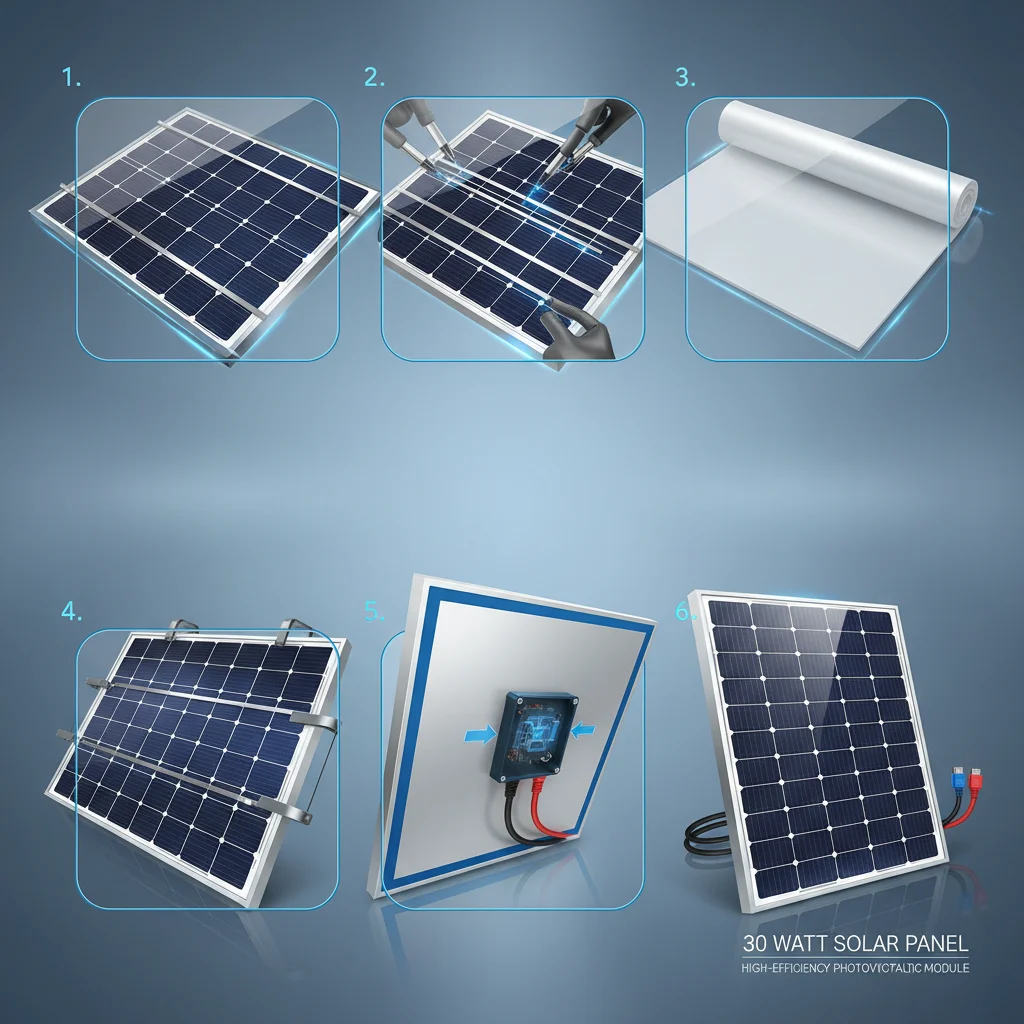
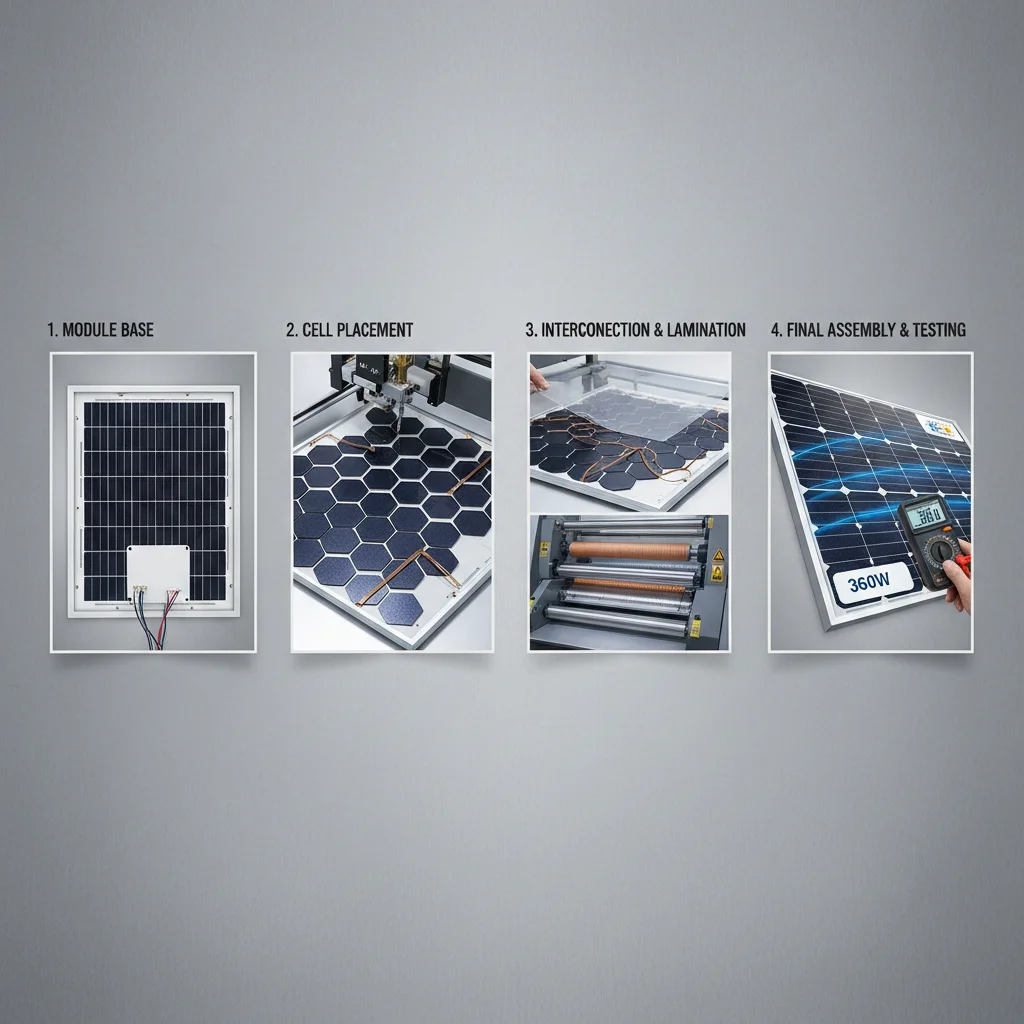
The global shift toward sustainable energy has placed an unprecedented spotlight on the role of industrial solar panel manufacturers in driving the transition to a low-carbon economy. As enterprises and governments strive to meet stringent net-zero targets, the demand for high-capacity, durable, and efficient photovoltaic systems has surged, transforming the way power is generated and consumed in heavy industry.
Modern industrial solar solutions are no longer just about environmental compliance; they are critical strategic assets that ensure energy security and operational resilience. By integrating advanced materials and cutting-edge engineering, leading manufacturers are now providing systems that can withstand extreme environments while delivering consistent energy yields for factories, warehouses, and utility-scale farms.
Choosing the right partner among industrial solar panel manufacturers is essential for maximizing return on investment and ensuring long-term system reliability. From the implementation of TOPCon cell technology to the deployment of bifacial dual-glass modules, the industry is evolving to provide tailored solutions that meet the rigorous demands of commercial energy infrastructure.

The Global Impact of Industrial Solar Panel Manufacturers
Industrial solar panel manufacturers operate at the intersection of energy policy and technological innovation. By scaling the production of high-efficiency modules, such as the SBM-10-144-585W, these manufacturers enable large-scale enterprises to drastically reduce their reliance on fossil fuels. This shift is not only reducing carbon footprints but also stabilizing energy costs in a volatile global market.
The ripple effect of this industrialization is seen in the democratization of energy, where remote industrial zones and emerging economies can now leapfrog traditional grid infrastructure. The ability to produce panels with high peak power (585W) and impressive efficiency (21.65%) allows for the rapid deployment of energy-independent hubs across the globe.
Defining High-Performance Industrial Solar Manufacturing
Industrial solar panel manufacturers are specialized entities that design and produce photovoltaic modules specifically engineered for large-scale commercial and utility applications. Unlike residential panels, industrial modules are built to handle higher system voltages—often up to 1500V DC—and are designed for seamless integration into massive arrays that power entire factories or cities.
The hallmark of a professional manufacturer is the ability to balance energy density with durability. This involves the use of premium materials, such as high-transmittance, low-iron tempered glass, and robust aluminium-alloy frames. These specifications ensure that the panels can withstand extreme mechanical loads (up to 5400pa) and severe weather conditions, including high-velocity hail.
At its core, industrial manufacturing in the solar sector is about reliability and predictability. By utilizing TOPCon 18291mm cells in a series of 144, manufacturers can guarantee a precise power tolerance (0~+5W), which is critical for project developers who need exact energy calculations to secure financing and operational permits.
Core Technical Components of Industrial Solar Systems
The technical superiority of modules produced by industrial solar panel manufacturers lies in the choice of cell technology. Monocrystalline silicon is the gold standard for industrial use due to its higher energy conversion rates compared to polycrystalline alternatives. This allows for a more compact footprint, reducing the total land area required for utility-scale solar farms.
A critical component often highlighted by industrial solar panel manufacturers is the implementation of bifacial dual-glass technology. By allowing light to be absorbed from both the front and rear sides, these modules significantly increase the total energy yield per square meter, making them ideal for installations on reflective surfaces or light-colored rooftops.
Furthermore, electrical safety and stability are ensured through the integration of three bypass diodes and a series fuse rating of 25A. This architecture prevents hotspots and ensures that the system continues to operate efficiently even if a portion of the array is shaded, a common challenge in complex industrial environments.
Evaluating Performance Metrics in Solar Manufacturing
To objectively compare the output of different industrial solar panel manufacturers, developers look at specific STC (Standard Test Conditions) parameters. Key metrics include the Max Power Voltage (Vmp) of 43.61V and the Max Power Current (Imp) of 13.42A, which together define the operational efficiency of the module in a real-world circuit.
Beyond raw power, the thermal stability of the module is paramount. Industrial-grade panels are rated to operate in extreme temperature ranges, typically from -40℃ to +85℃. This ensures that whether the system is installed in the frozen tundra or a scorching desert, the energy conversion remains stable and the hardware does not degrade prematurely.
Efficiency Comparison of Industrial Solar Panel Manufacturers' Technologies
Global Applications for Industrial Solar Solutions
The versatility of high-power modules allows them to be deployed across diverse sectors. In commercial settings, offices and shopping centers utilize these panels to reduce operational overheads and meet green building certifications. For warehouses and factories, the large rooftop surface areas are transformed into power plants, enabling onsite energy generation that offsets expensive grid electricity.
Beyond urban centers, industrial solar solutions are critical for remote agricultural operations and healthcare facilities in off-grid areas. By pairing these high-efficiency panels with energy storage systems, developers can provide a stable, 24/7 power supply to regions where traditional infrastructure is non-existent or unreliable.
Long-Term Value and Sustainability Advantages
Investing in equipment from reputable industrial solar panel manufacturers provides significant long-term financial advantages. The high efficiency of monocrystalline cells ensures that the maximum amount of electricity is generated from the available space, which shortens the payback period of the initial capital expenditure.
From a sustainability perspective, the use of durable materials like 3.2mm tempered glass for monofacial and 2.0mm for bifacial modules ensures a lifespan that often exceeds 25 years. This longevity reduces the frequency of replacements and minimizes the electronic waste associated with solar infrastructure.
Moreover, the adoption of these systems enhances corporate social responsibility (CSR) profiles. Businesses that transition to industrial solar power demonstrate a tangible commitment to environmental stewardship, which often leads to increased brand loyalty and better relationships with environmentally conscious investors.
Future Trends in Industrial Solar Technology
The next frontier for industrial solar panel manufacturers is the integration of Artificial Intelligence (AI) and IoT for real-time performance monitoring. Smart modules will soon be able to self-diagnose faults and optimize their tilt and orientation in synchronization with advanced tracking systems to maximize sunlight capture.
We are also seeing a shift toward "circular manufacturing," where the end-of-life recycling of solar panels is integrated into the production process. This ensures that materials like aluminium, glass, and silicon are recovered, creating a truly closed-loop sustainable energy ecosystem.
As energy storage technology evolves, the synergy between high-output solar panels and long-duration batteries will allow industrial zones to become entirely energy-autonomous. This evolution will redefine the role of the grid, turning industrial consumers into "prosumers" who can sell excess energy back to the network.
Comparative Analysis of Industrial Solar Module Specifications
| Module Feature | Monofacial Glass | Bifacial Dual-Glass | Performance Score |
|---|
| Weight | 27kg | 32kg | 8/10 |
| Glass Thickness | 3.2mm | 2.0mm | 9/10 |
| Energy Yield | Standard | Enhanced (Rear Side) | 10/10 |
| Durability | High | Very High | 9/10 |
| Installation Cost | Lower | Moderate | 7/10 |
| ROI Speed | Fast | Fastest (due to yield) | 10/10 |
FAQS
You should prioritize manufacturers that offer high-efficiency cell technology (like TOPCon), certified durability (e.g., 5400pa load capacity), and comprehensive warranties. Check for specific parameters such as peak power (Pmax), efficiency ratings (above 21%), and the use of high-quality materials like low-iron tempered glass to ensure long-term performance and a better return on investment.
Bifacial dual-glass panels are generally superior for industrial projects where the installation surface is reflective (such as white rooftops or sandy ground). They capture sunlight from both sides, increasing the total energy yield. While they are slightly heavier (32kg vs 27kg), the increased power output typically outweighs the additional weight and cost.
Yes, professional industrial modules are designed for extreme conditions. For instance, high-grade panels are rated for operating temperatures from -40℃ to +85℃ and are tested against hail with 25mm diameter stones at speeds of 23m/s. This ensures that the energy infrastructure remains functional in diverse global climates.
A higher system voltage, such as 1500V DC, allows for longer strings of panels in a series. This reduces the amount of cabling required and lowers the number of combiner boxes needed, which significantly decreases the overall installation cost and reduces electrical losses in utility-scale solar farms.
Monocrystalline panels are made from a single silicon crystal, allowing electrons to flow more freely, which results in higher efficiency (often 20-24%). In industrial settings where roof or land space is limited, monocrystalline panels are preferred because they generate more power per square meter, reducing the total number of panels needed.
High-quality industrial solar systems are designed for longevity, typically retaining over 80% of their original power capacity after 25 years of operation. The use of aluminium-alloy frames and tempered glass prevents physical degradation, while advanced cell chemistry minimizes the annual power degradation rate.
Conclusion
In summary, the expertise provided by leading industrial solar panel manufacturers is the cornerstone of the global transition toward sustainable energy. By combining high-efficiency TOPCon cells, robust mechanical designs, and bifacial technology, these manufacturers enable businesses to achieve energy independence while significantly reducing their environmental impact. The technical specifications—from the 585W peak power to the 1500V DC system capability—underscore a commitment to reliability and high-performance engineering.
Looking forward, the integration of smart monitoring and circular economy practices will further enhance the value proposition of industrial solar energy. For project developers and business owners, the key to success lies in selecting a partner that balances innovation with proven durability. To explore high-efficiency solutions tailored for your industrial needs, visit our website: www.shaobosolar.com