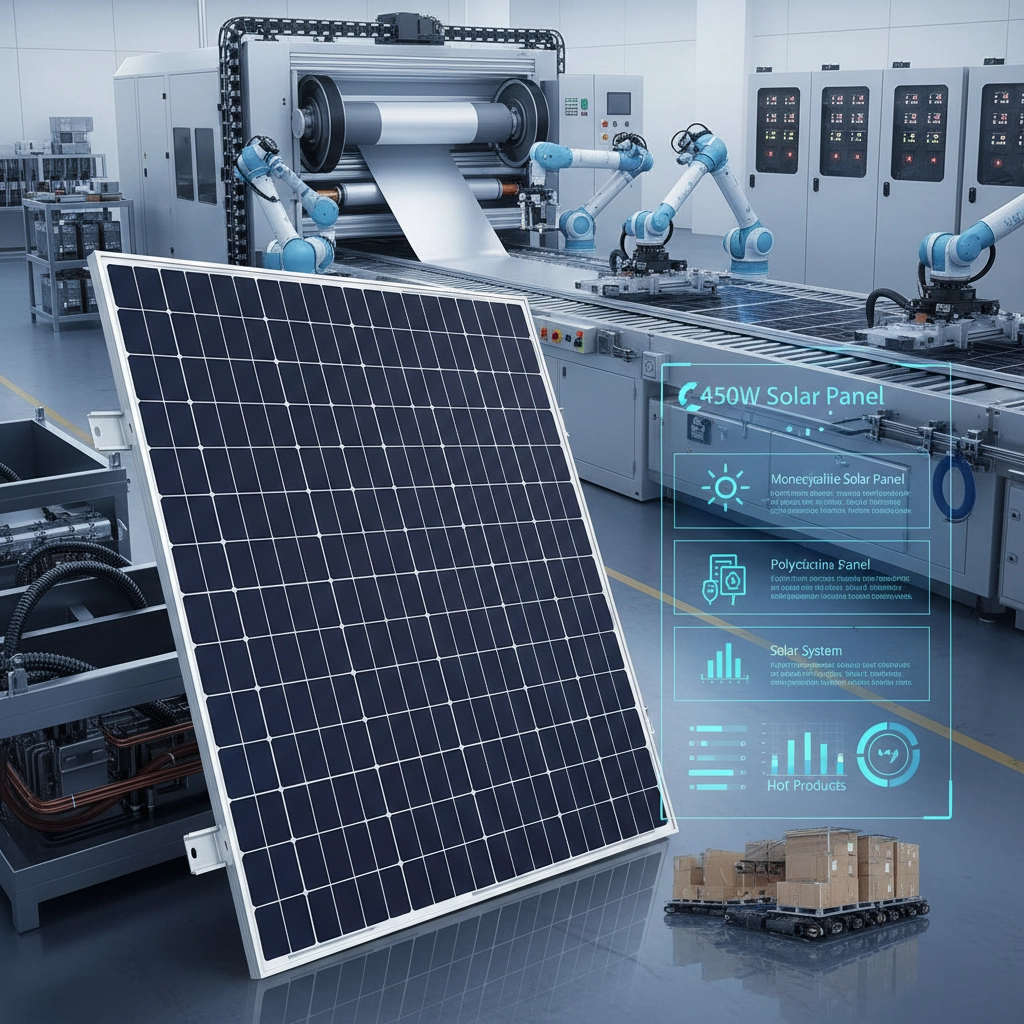
The global transition toward sustainable energy has accelerated the demand for high-efficiency energy harvesting solutions, placing the 450w solar panel at the forefront of modern residential and commercial installations. As nations strive to meet net-zero emissions targets, these high-wattage modules provide a critical balance between space utilization and energy yield, allowing users to generate more electricity from a smaller physical footprint.
Understanding the technical nuances of a 450w solar panel is essential for stakeholders ranging from independent homeowners to large-scale industrial developers. By maximizing the conversion of photons into usable electrons, these panels address the urgent need for energy independence and the reduction of operational costs associated with traditional fossil-fuel-based power grids.
Whether deployed in a sprawling solar farm or integrated into a rooftop system, the 450w solar panel represents a significant leap in monocrystalline technology. This guide explores the industry context, technical advantages, and practical applications that make this specific power rating a gold standard for efficiency and reliability in the current market.
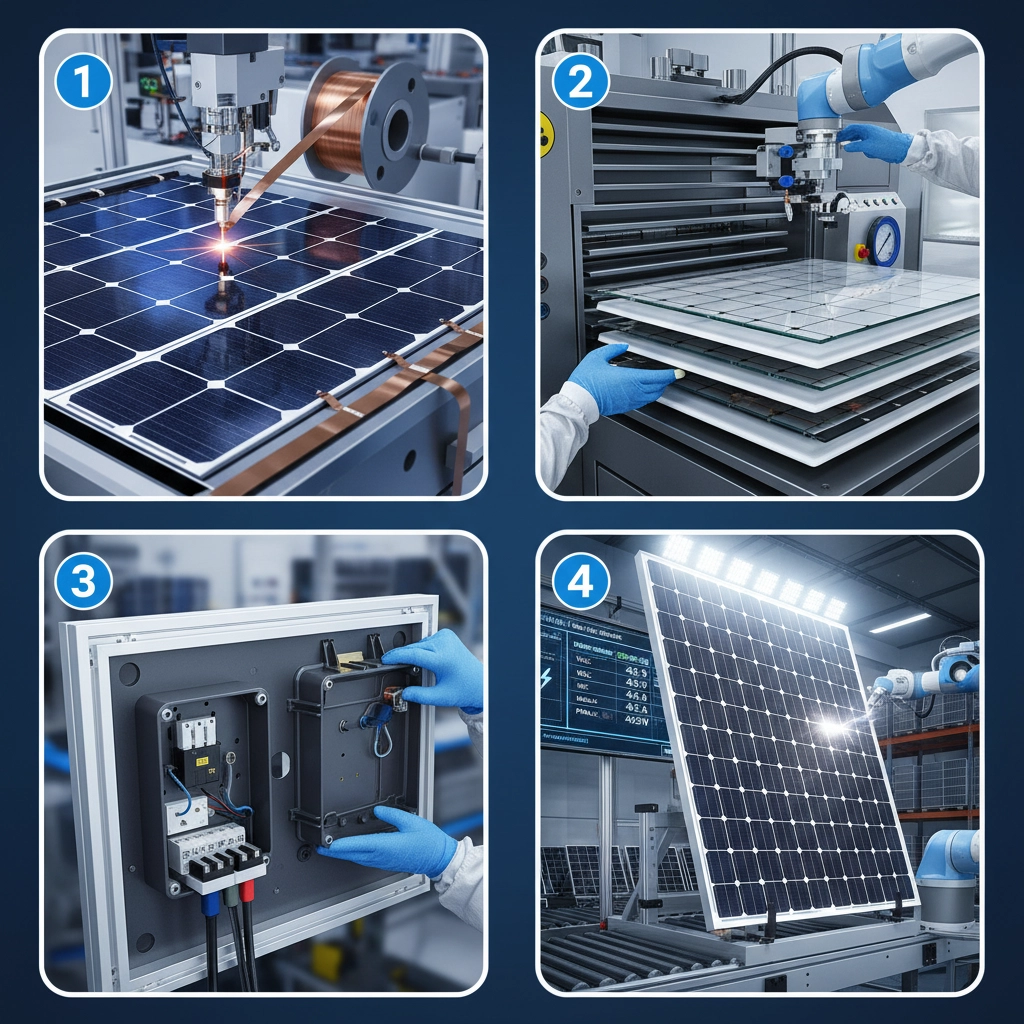
Global Context of 450w Solar Panel Adoption
The surge in the adoption of the 450w solar panel is closely linked to global climate mandates and the falling cost of silicon. According to data trends aligned with International Energy Agency (IEA) benchmarks, the industry has shifted from low-wattage polycrystalline modules to high-density monocrystalline cells. This transition is driven by the need to optimize Land Use Efficiency (LUE), where maximizing the wattage per square meter is paramount for urban environments.
Across Europe, Asia, and North America, the 450w threshold has become a benchmark for "commercial-grade" residential systems. By integrating advanced PERC (Passivated Emitter and Rear Cell) technology, these panels solve the historical challenge of energy loss at the rear of the cell, ensuring that even in suboptimal light conditions, the output remains stable and predictable for the end-user.
Defining the 450w Solar Panel Technicality
At its core, a 450w solar panel is a photovoltaic module designed to produce 450 watts of direct current (DC) electricity under Standard Test Conditions (STC). This means that when exposed to an irradiance of 1000W/m² at a cell temperature of 25°C, the panel converts sunlight into electrical energy at this specific peak capacity. It is the "sweet spot" for many installers because it balances weight and power output.
From an industry perspective, this wattage usually implies the use of larger M10 or G12 wafer sizes, which reduce the number of gaps between cells. By minimizing the inactive areas of the panel, manufacturers can squeeze more power out of the same frame size. This technical evolution is not just about power; it is about reducing the "Balance of System" (BOS) costs, as fewer panels and fewer mounting rails are needed to reach a target kilowatt capacity.
For humanitarian and remote industrial needs, the 450w rating provides a robust foundation for off-grid living. It offers enough headroom to power essential appliances, refrigeration, and communication equipment without requiring the massive arrays that were necessary a decade ago. This makes the 450w solar panel a catalyst for decentralizing power and bringing electricity to previously unreachable regions.
Core Components and Efficiency Factors
The efficiency of a 450w solar panel depends heavily on the quality of its monocrystalline silicon. Unlike polycrystalline options, monocrystalline cells are sliced from a single crystal ingot, allowing electrons more room to move and resulting in higher efficiency rates. This purity is what allows the panel to achieve a 450W output without becoming prohibitively large or heavy.
Another critical component is the Half-Cut Cell technology frequently found in these modules. By cutting the cells in half, the current flowing through each cell is reduced, which significantly lowers resistive losses (I²R losses). This ensures that the 450w solar panel maintains high performance even when partially shaded, as only a portion of the module is affected rather than the entire string.
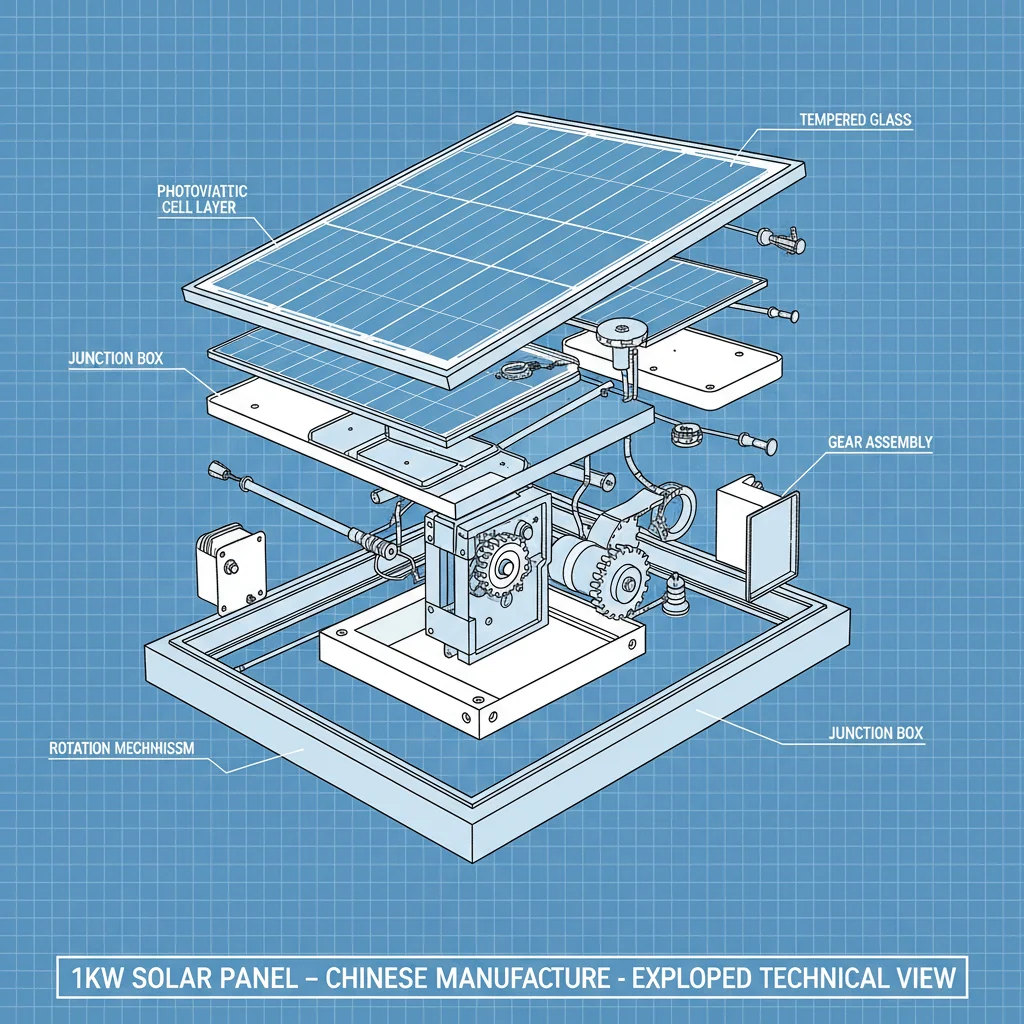
Furthermore, the integration of Anti-Reflective Coating (ARC) and tempered solar glass ensures that the maximum amount of light reaches the silicon wafers. High-transmittance glass reduces the reflection of sunlight, meaning more photons are absorbed. When combined with a robust aluminum frame, the 450w solar panel becomes a durable piece of equipment capable of withstanding heavy snow loads and high wind pressures over a 25-year lifespan.
Performance Metrics and Scalability
When analyzing the scalability of a 450w solar panel, the primary metric is the Levelized Cost of Energy (LCOE). Because these panels offer a high power-to-area ratio, the cost of installation—including labor and hardware—is spread across more watts. This makes the transition to a larger 450W module more financially attractive than installing several smaller 300W panels to achieve the same system capacity.
In commercial deployments, the modularity of 450W units allows for rapid scaling. A system can be easily expanded by adding strings of these panels to an existing inverter setup, provided the voltage limits are respected. This scalability ensures that businesses can start with a modest investment and grow their solar capacity as their energy demands increase.
Efficiency Comparison of 450w Solar Panel Variants
Real-World Applications and Use Cases
The versatility of the 450w solar panel allows it to thrive in diverse environments. In agricultural settings, "Agrivoltaics" utilizes these panels to create shaded areas for livestock or specific crops while simultaneously generating power for irrigation systems. The high wattage ensures that the footprint of the panels doesn't interfere excessively with farming activities, optimizing the dual use of land.
In industrial zones, these panels are frequently installed on the expansive flat roofs of warehouses. A typical warehouse roof can accommodate thousands of 450W modules, transforming an unused asset into a power plant that offsets peak demand charges. Additionally, in remote telecommunications sites, 450W panels provide the necessary reliability to keep signal towers operational 24/7 without the need for expensive diesel fuel deliveries.
Long-Term Value and Sustainability Impact
Investing in a 450w solar panel offers a compelling logical and emotional value proposition. Logically, the Return on Investment (ROI) is accelerated due to the high energy density, which reduces the payback period of the initial installation. Over 25 years, the cumulative carbon offset of a single 450W array can equal planting dozens of mature trees, providing a tangible contribution to the fight against global warming.
Beyond the numbers, there is a profound sense of energy security and dignity that comes with owning your power source. For families in developing regions, a few 450W panels can mean the difference between studying by candlelight and having a fully lit home with internet access. This empowerment transforms the 450w solar panel from a mere piece of hardware into a tool for social elevation and educational growth.
Furthermore, the reliability of high-wattage monocrystalline panels ensures that users are not left in the dark during grid failures. When paired with battery storage, the 450W system creates a resilient microgrid capable of maintaining critical life-support systems or security infrastructure, fostering a deeper trust in renewable technology as a primary energy source.
Future Innovations in High-Wattage Modules
The evolution of the 450w solar panel is moving toward the integration of Perovskite-Silicon tandem cells. This emerging technology aims to stack different materials to capture a broader spectrum of sunlight, potentially pushing the efficiency of the 450W form factor even higher. We are also seeing a shift toward "Smart Panels" that include integrated micro-inverters and IoT monitoring at the module level.
Digital transformation is also playing a role, with AI-driven layout software optimizing the placement of 450W arrays to minimize inter-row shading. As automation in manufacturing increases, the cost of producing these high-efficiency cells will continue to drop, making high-wattage solar accessible to even the lowest-income demographics globally.
Sustainability in the manufacturing process itself is the next frontier. Future 450w solar panel production will likely focus on "Circular Economy" principles, utilizing recycled silicon and lead-free solder to ensure that the green energy solution does not leave a toxic footprint at the end of its lifecycle.
Technical Analysis of 450w Solar Panel Variants
| Cell Technology |
Conversion Efficiency |
Temp. Coefficient |
Degradation Rate |
| Mono-PERC 450w |
20.5% - 21.2% |
-0.35% / °C |
0.5% per year |
| Bifacial 450w |
21.0% - 22.5% |
-0.34% / °C |
0.4% per year |
| N-Type TOPCon 450w |
22.0% - 23.5% |
-0.30% / °C |
0.3% per year |
| Half-Cut Mono 450w |
20.8% - 21.8% |
-0.36% / °C |
0.5% per year |
| HJT 450w |
23.0% - 24.0% |
-0.26% / °C |
0.2% per year |
| Standard Poly 450w |
17.0% - 19.0% |
-0.41% / °C |
0.7% per year |
FAQS
The number of panels depends on your monthly electricity consumption. For a home using 900 kWh per month, you would need approximately 6 kW of capacity. This equals about 13 to 15 450w solar panel units, depending on your local sunlight hours and system efficiency losses.
Yes, generally. A 450w solar panel provides higher energy density, meaning you can generate more power using fewer modules. This reduces the cost of mounting rails, cabling, and labor. However, they are physically larger and heavier, so ensure your roof structure can support the additional weight.
Yes, but the output will be lower. Modern 450W panels, especially those with PERC or N-type technology, are designed to capture diffuse light. While they won't hit the 450W peak during a storm, they will still generate a percentage of their rated power to keep batteries topped up.
Most reputable manufacturers provide a linear power warranty for 25 years. A high-quality 450w solar panel is typically guaranteed to maintain at least 80-85% of its original output after two and a half decades of exposure to the elements.
Not necessarily. You must check the inverter's maximum input current (Amps) and voltage (Volts). Because 450W panels often have higher currents than older, lower-wattage panels, you need an inverter that can handle the specific electrical characteristics of the 450W module to avoid clipping or overheating.
Simply use a soft brush or a microfiber cloth with water. Avoid harsh chemicals or abrasive scrubbers that could scratch the anti-reflective coating. Regular cleaning to remove dust, pollen, and bird droppings can increase the yield of your 450w solar panel by 5-15% in dusty environments.
Conclusion
The 450w solar panel stands as a pivotal technology in the global shift toward renewable energy, offering an optimal blend of high efficiency, cost-effectiveness, and scalability. From reducing the BOS costs in commercial installations to providing critical power in remote humanitarian zones, these modules have proven their value across diverse applications. By leveraging monocrystalline silicon and half-cut cell innovations, the 450W rating ensures that users can maximize their energy harvest while minimizing their physical and environmental footprint.
Looking ahead, the trajectory of solar technology suggests that while wattages will continue to climb, the 450W platform will remain a versatile standard for mid-to-large scale projects. For those looking to achieve energy independence, the recommendation is to prioritize N-type or Bifacial variants of these panels to future-proof their investment. As we move toward a greener planet, integrating high-efficiency solutions like the 450w solar panel is not just an economic choice, but a commitment to a sustainable legacy. Visit our website: www.shaobosolar.com