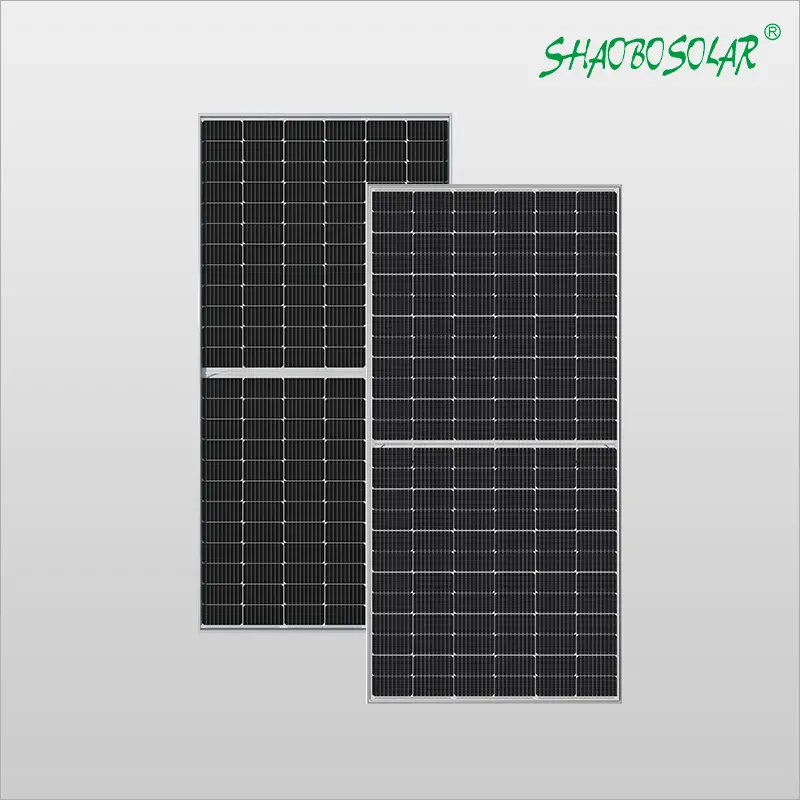
HighEfficiency house solar power system Solutions for New Zealand

HighEfficiency house solar power system Solutions for New Zealand

High-Efficiency house solar power system Solutions for New Zealand

Empowering New Zealand homes and businesses with cutting-edge photovoltaic technology tailored for Oceania's unique climate.

High-Efficiency house solar power system Solutions for New Zealand

Integrating sustainable energy infrastructure across New Zealand through premium monocrystalline and polycrystalline technologies to reduce carbon footprints and electricity costs.

Solar Energy Landscape in New Zealand

Analyzing the adoption of photovoltaic systems within the unique geographical context of Oceania.

New Zealand's energy landscape is characterized by a strong commitment to renewables. Due to the varied topography from the Southern Alps to the coastal plains, the demand for versatile solar panels has surged as homeowners seek energy independence from the national grid.

The climate in New Zealand presents specific challenges; high UV radiation levels in the North Island make it an ideal environment for monocrystalline solar panels, which offer superior efficiency in limited roof spaces typical of urban Auckland or Wellington homes.

Economically, the shift toward decentralized power is driven by rising electricity tariffs and government incentives. This has led to a widespread integration of advanced mono solar panel technology to maximize yield during the shorter winter days of the Southern Hemisphere.
Evolution of PV Technology in Oceania

From early adopters to high-efficiency smart grids: The trajectory of solar manufacturing.

Market Development History

In the early 2000s, the New Zealand market was dominated by polycrystalline solar panel installations. These were favored for their lower production costs, providing a basic entry point for rural farming communities requiring off-grid power.

Around 2012-2018, a technical pivot occurred. As manufacturing precision improved, the industry shifted toward PERC (Passivated Emitter and Rear Cell) technology, significantly increasing the conversion rates of residential systems and making solar a viable urban investment.

From 2019 to the present, the focus has evolved into "Smart Energy Ecosystems." The integration of AI-driven inverters and high-density storage has transformed simple arrays into comprehensive energy management hubs for the modern Kiwi household.

Future Development Trends

N-Type TOPCon Technology

We anticipate a transition toward N-type cells which offer lower degradation rates and better performance in the high-temperature fluctuations seen in New Zealand's summer.

BIPV Integration

Building-Integrated Photovoltaics will become standard in new architectural projects in Queenstown and Auckland, replacing traditional roofing materials with active energy-generating surfaces.

V2H (Vehicle-to-Home) Synergy

The convergence of EV charging and home solar will allow electric vehicles to act as battery backups, stabilizing the local grid during peak demand periods.

Industry Trends & Future Outlook

Strategic projections for the solar manufacturing sector in the New Zealand market.

Efficiency Maximization
Pushing the boundaries of cell efficiency to maximize power output per square meter of roof space.
Storage Integration
Seamless pairing of PV arrays with lithium-iron-phosphate (LFP) batteries for 24/7 energy reliability.
Smart Grid Sync
Implementing AI software to optimize energy sales back to the grid based on real-time pricing.
Circular Manufacturing
Focusing on the recyclability of silicon and aluminum frames to ensure a truly green lifecycle.

Industry Outlook

Google search trends indicate a significant rise in queries regarding "off-grid living" and "energy independence" within the New Zealand region. This suggests a shift from purely financial motivations to resilience-based energy strategies.

Over the next 3-5 years, we expect the market to standardize the use of bifacial modules, which capture sunlight from both sides, perfectly complementing the high albedo levels of New Zealand's diverse landscapes.

Localized Application Scenarios in New Zealand

Practical implementations of solar technology across different NZ terrains and needs.

01. Urban Residential Roofs in Auckland

Utilizing high-efficiency monocrystalline solar panels to overcome space constraints in densely populated suburbs, providing clean energy for heating and cooling.

02. Dairy Farm Powering in Waikato

Implementing large-scale arrays to power milking sheds and refrigeration units, reducing the operational overhead of primary industries through sustainable energy.

03. Remote Bach Cabins in the Coromandel

Deploying standalone house solar power system setups with battery storage for completely off-grid living in coastal holiday homes.

04. Vineyard Energy Management in Marlborough

Using solar arrays to power irrigation systems and automated vineyard sensors, blending agricultural productivity with environmental stewardship.

05. Commercial Warehousing in Christchurch

Installing extensive roof-mounted systems to offset massive daytime energy loads, utilizing the wide flat roof surfaces for maximum energy harvest.

Brand Story

Global Development Journey of Hebei Shaobo Photovoltaic Technology Co., Ltd.

The Visionary Start

Founded with a mission to solve the inefficiency of early silicon cells, we began by optimizing the purity of raw materials for better solar conversion.

Technological Breakthrough

Developed advanced manufacturing lines that reduced the cost of high-grade monocrystalline production, making premium solar accessible worldwide.

Global Expansion

Expanded our footprint into Oceania, tailoring our product specifications to meet the rigorous weather standards and electrical codes of New Zealand.

Sustainability Commitment

Implemented a closed-loop production process to minimize waste, ensuring that every panel produced contributes to a net-zero future.

Leading the Energy Transition

Today, we stand as a global leader in PV manufacturing, empowering millions of homes with reliable, high-performance solar energy solutions.

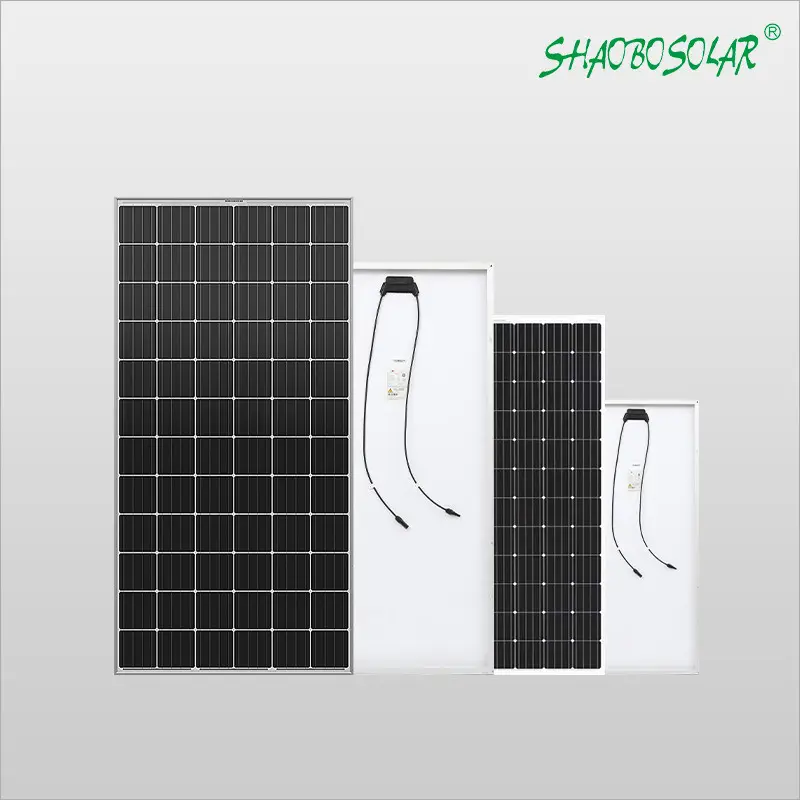
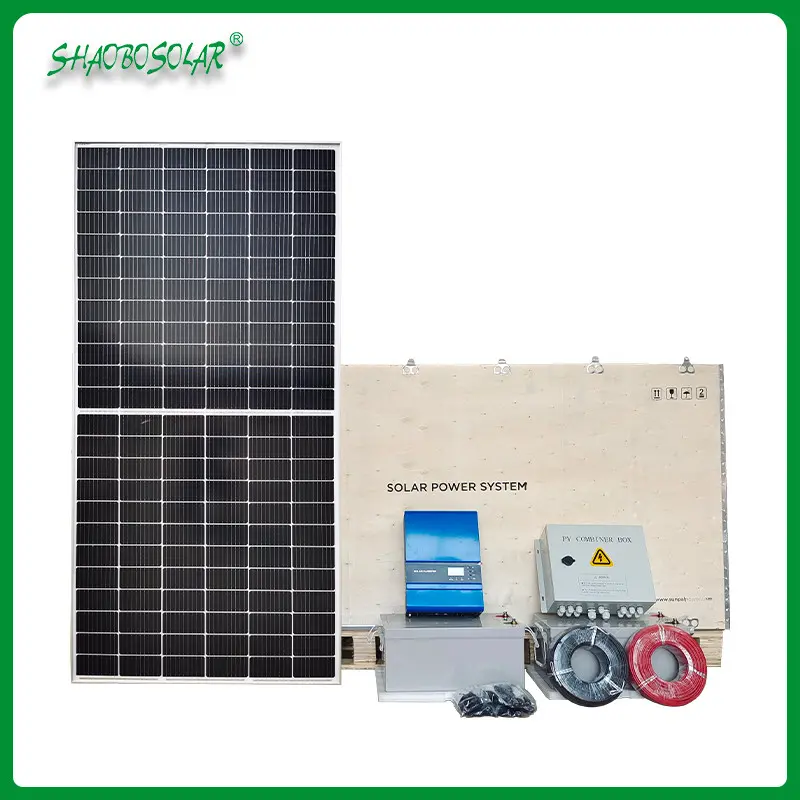
Complete Solar Product Portfolio for New Zealand

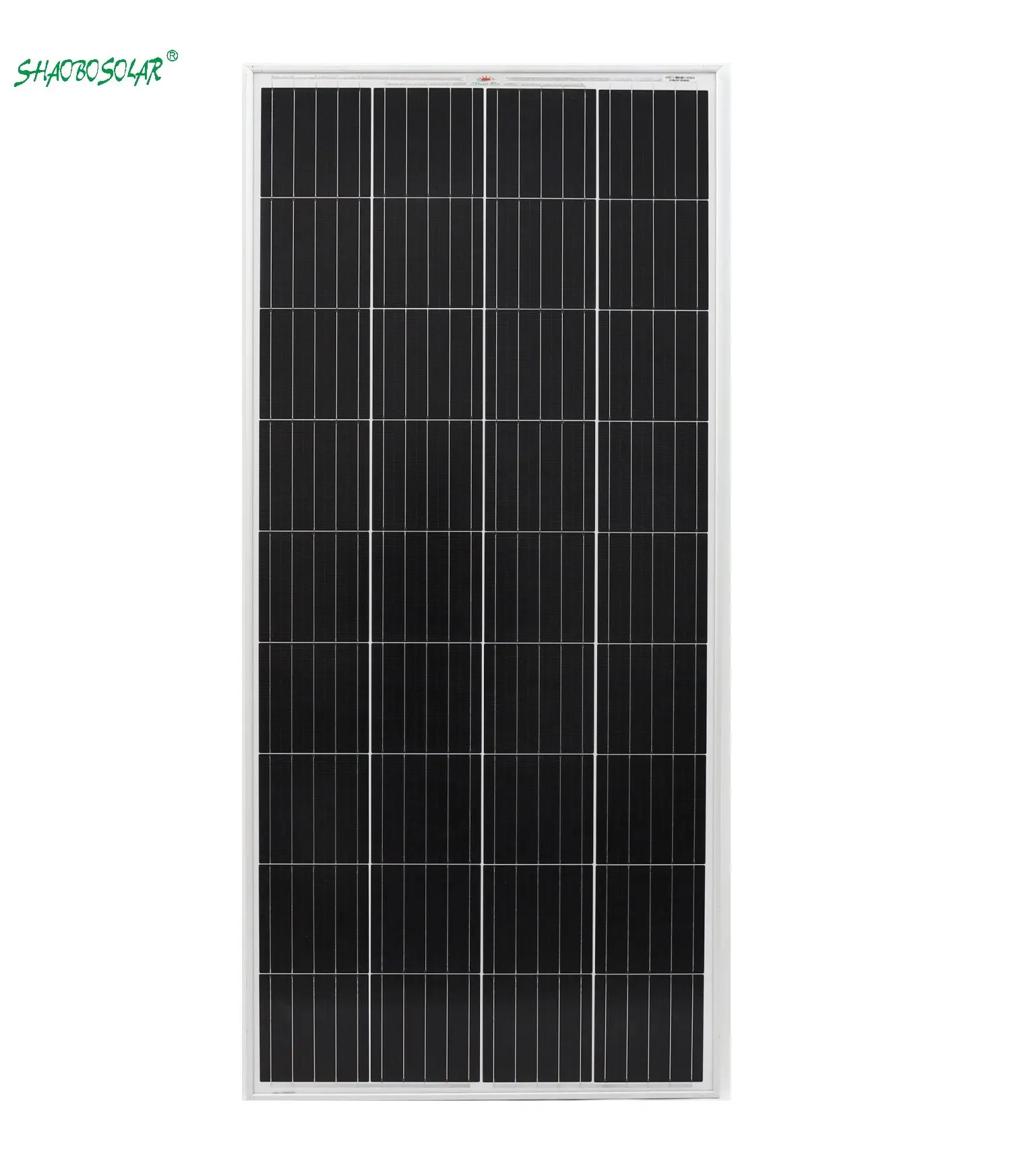
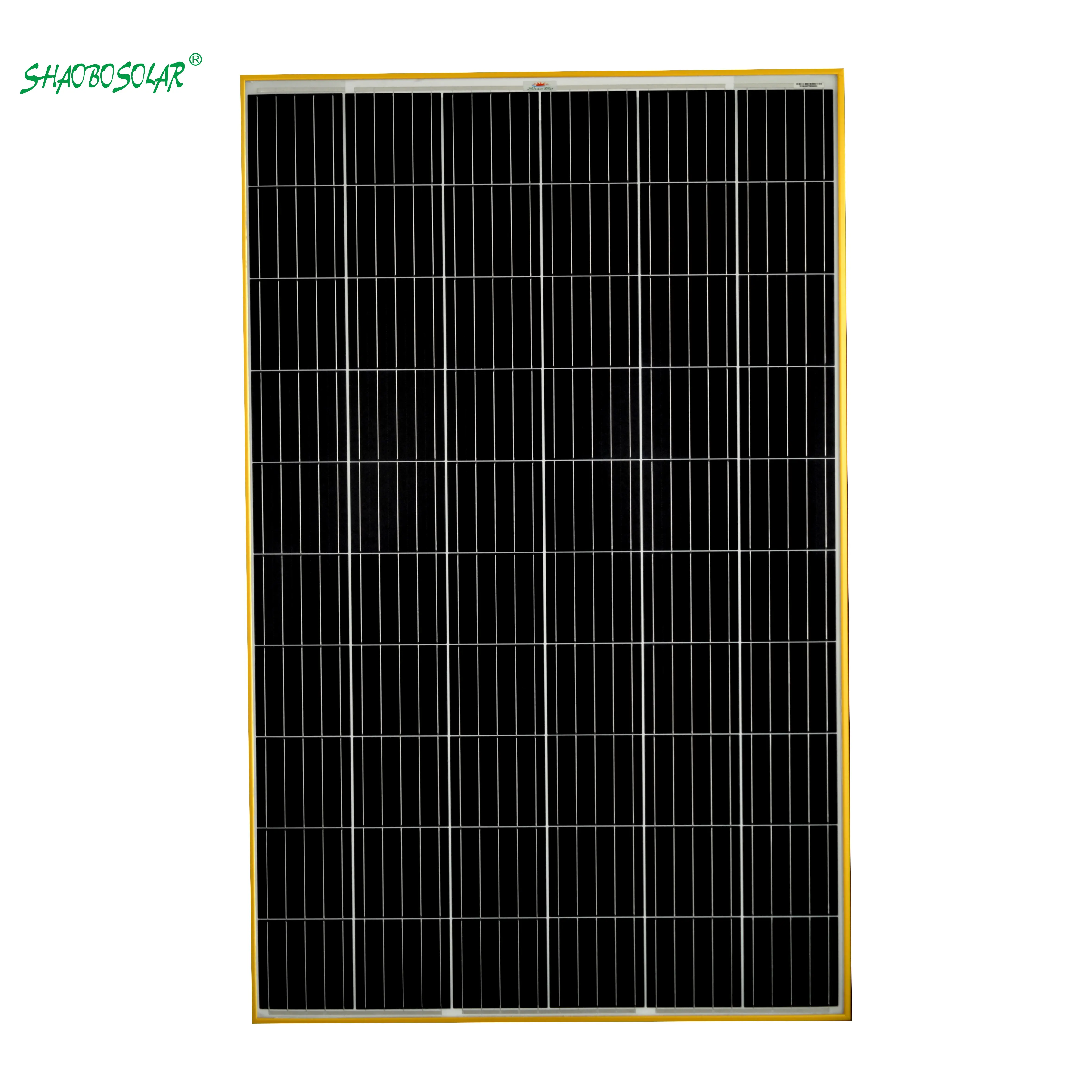
From residential mono panels to industrial-scale polycrystalline solutions, engineered for the New Zealand climate.

New Zealand Solar Energy FAQ

Answers to the most common questions regarding solar installation in Oceania.

Which are the best monocrystalline solar panels for NZ weather?

Panels with high UV resistance and PERC technology are recommended for NZ to ensure maximum efficiency during high-radiation summer months and durability against coastal salt spray.

How much can a house solar power system save on electricity bills?

Depending on the system size and energy consumption, NZ homeowners can reduce their electricity bills by 50% to 90%, especially when paired with battery storage.

Is a mono solar panel better than polycrystalline for small roofs?

Yes, mono panels have a higher efficiency rating, meaning they generate more power per square meter, making them ideal for urban homes with limited roof space.

Do solar panels work during New Zealand's cloudy winters?

Yes, while production drops, modern high-efficiency cells can still capture diffuse light during cloudy days, ensuring a baseline of power generation.

What is the lifespan of a polycrystalline solar panel in Oceania?

Most high-quality polycrystalline panels are rated for 25 years, though efficiency gradually declines slightly over time.

How do I maintain my solar panels in coastal NZ areas?

Regular rinsing with fresh water is recommended to remove salt accumulation and dust, which ensures the panels maintain peak light absorption.

Ready to Transition to Clean Energy?

Consult with our experts to design the perfect solar array for your property in New Zealand.

Contact Us Now

If you are interested in our products, you can choose to leave your information here, and we will be in touch with you shortly.