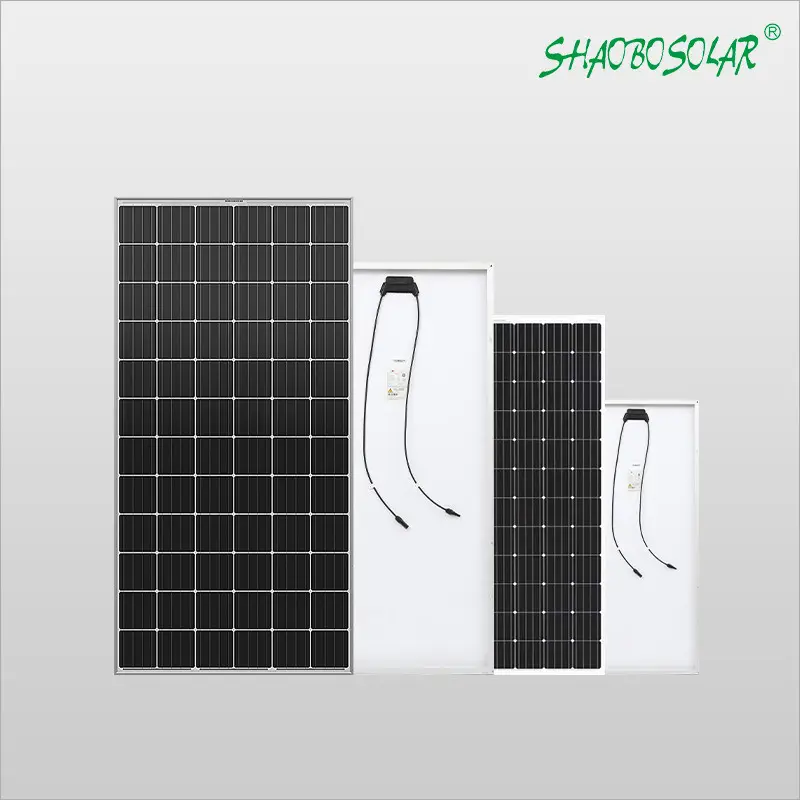
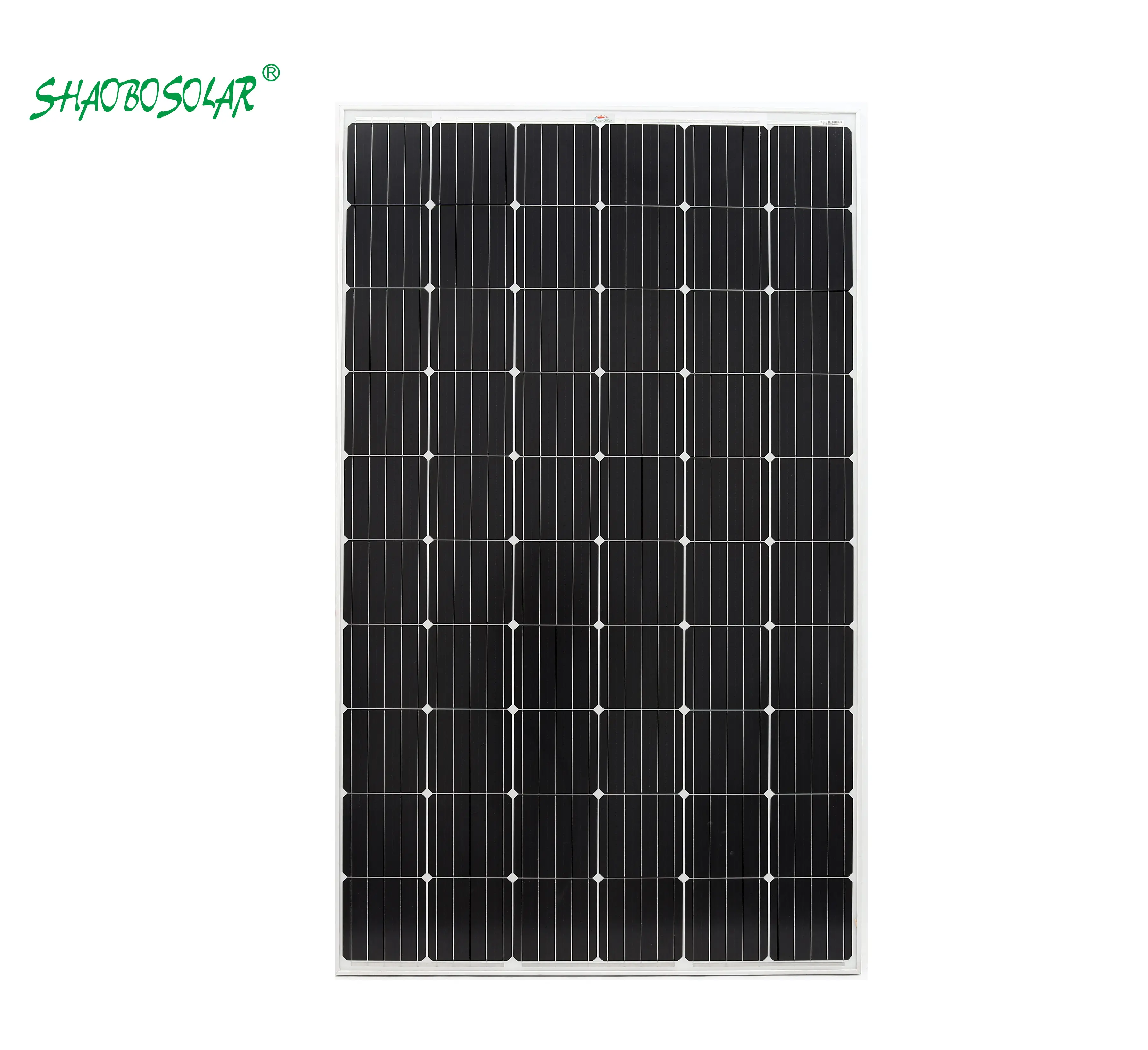
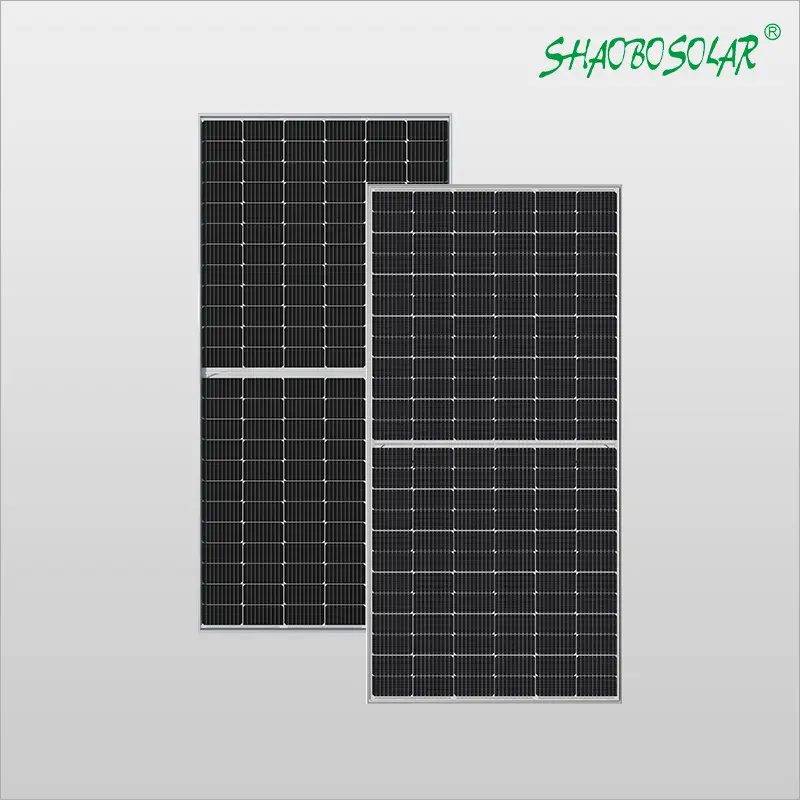
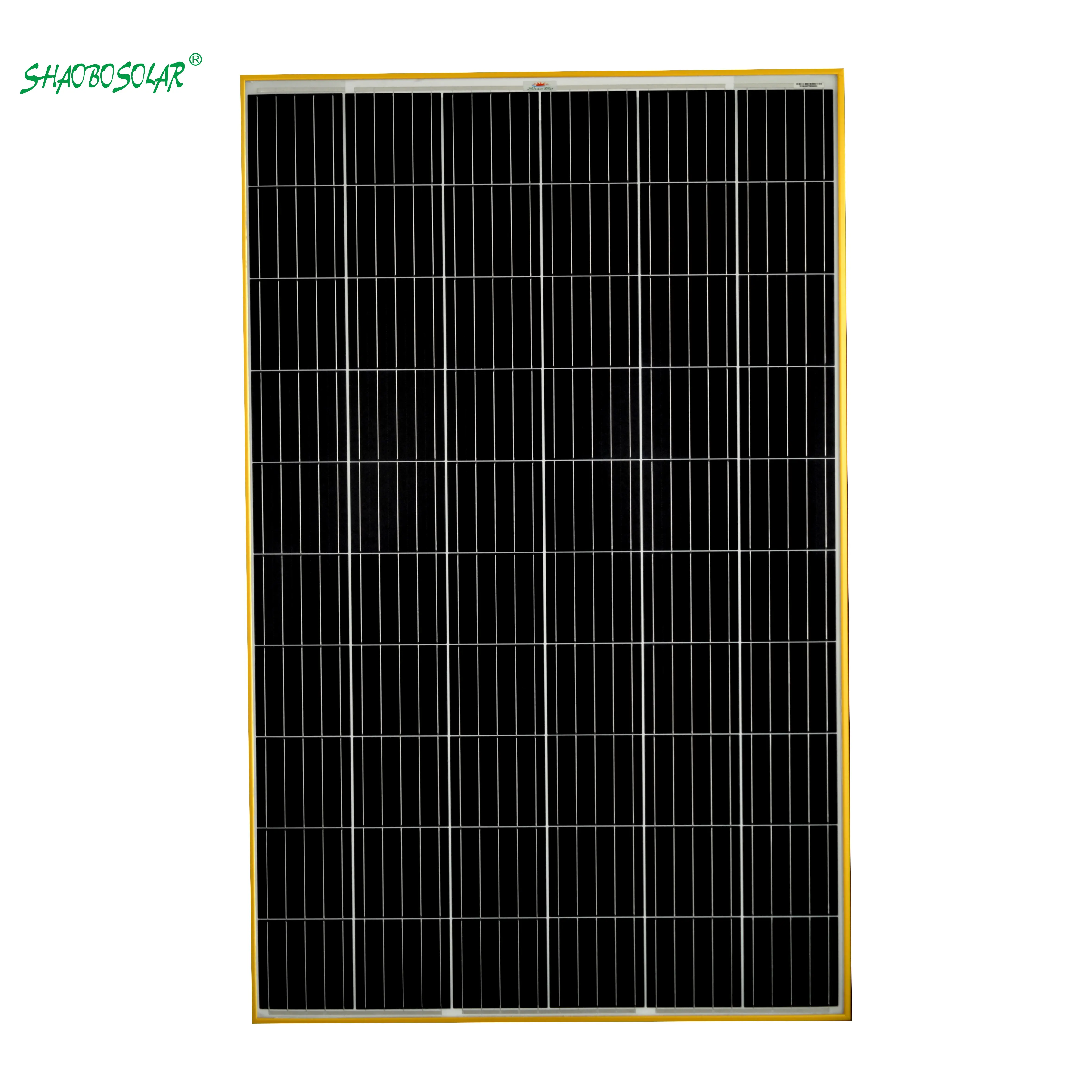
HighEfficiency monocrystalline solar panels Solutions for Uruguay

HighEfficiency monocrystalline solar panels Solutions for Uruguay

High-Efficiency monocrystalline solar panels Solutions for Uruguay

Empowering Uruguay's sustainable transition with cutting-edge photovoltaic technology designed for maximum yield in South American climates.

High-Efficiency monocrystalline solar panels Solutions for Uruguay

Providing the most reliable and durable energy conversion systems to harness the unique solar irradiance of the Uruguayan landscape.

Solar Energy Landscape in Uruguay

Analyzing the current state of photovoltaic adoption in the heart of South America.

Uruguay has emerged as a regional leader in renewable energy, leveraging its stable political environment and favorable geography. The adoption of solar panels has surged as the government pushes for a diversified energy matrix to complement its massive wind power infrastructure.

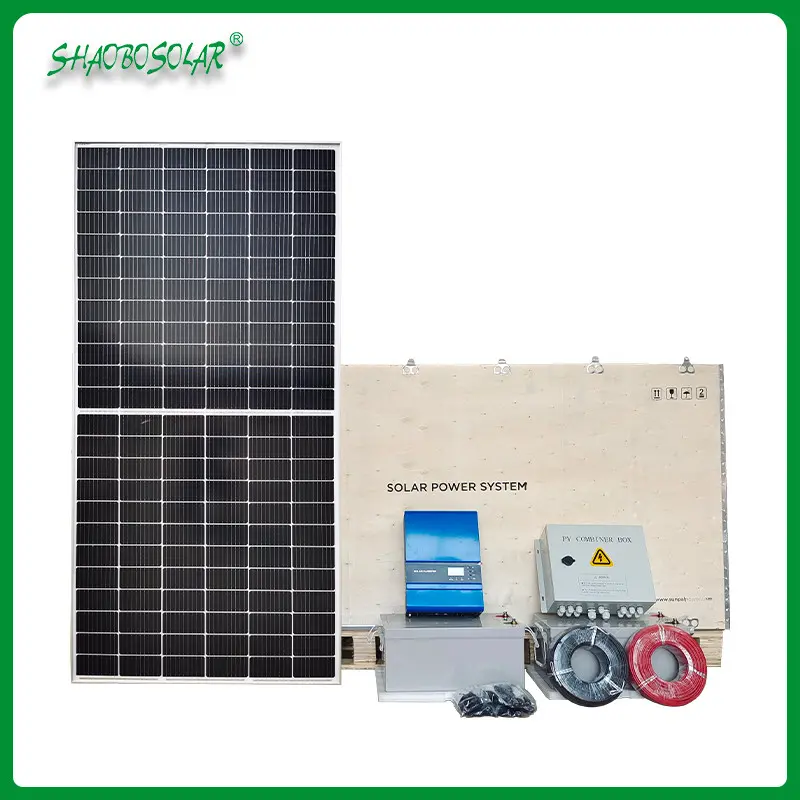
In urban centers like Montevideo and rural agricultural zones, there is a growing demand for a robust house solar power system. The local market is shifting away from basic setups toward integrated smart grids that can handle the variable cloud cover typical of the temperate climate.

Economically, the focus has moved toward long-term ROI. While polycrystalline solar panel options provided an affordable entry point in the past, the current market trend favors high-density cells that maximize limited roof spaces in residential areas.
Evolution of PV Technology in Uruguay

From early adoption to the era of high-efficiency monocrystalline cells.

Market Development History

Between 2010 and 2015, the Uruguayan market was dominated by large-scale wind projects, with solar acting as a secondary supplement. Early installations primarily used basic silicon cells with lower efficiency and higher degradation rates.

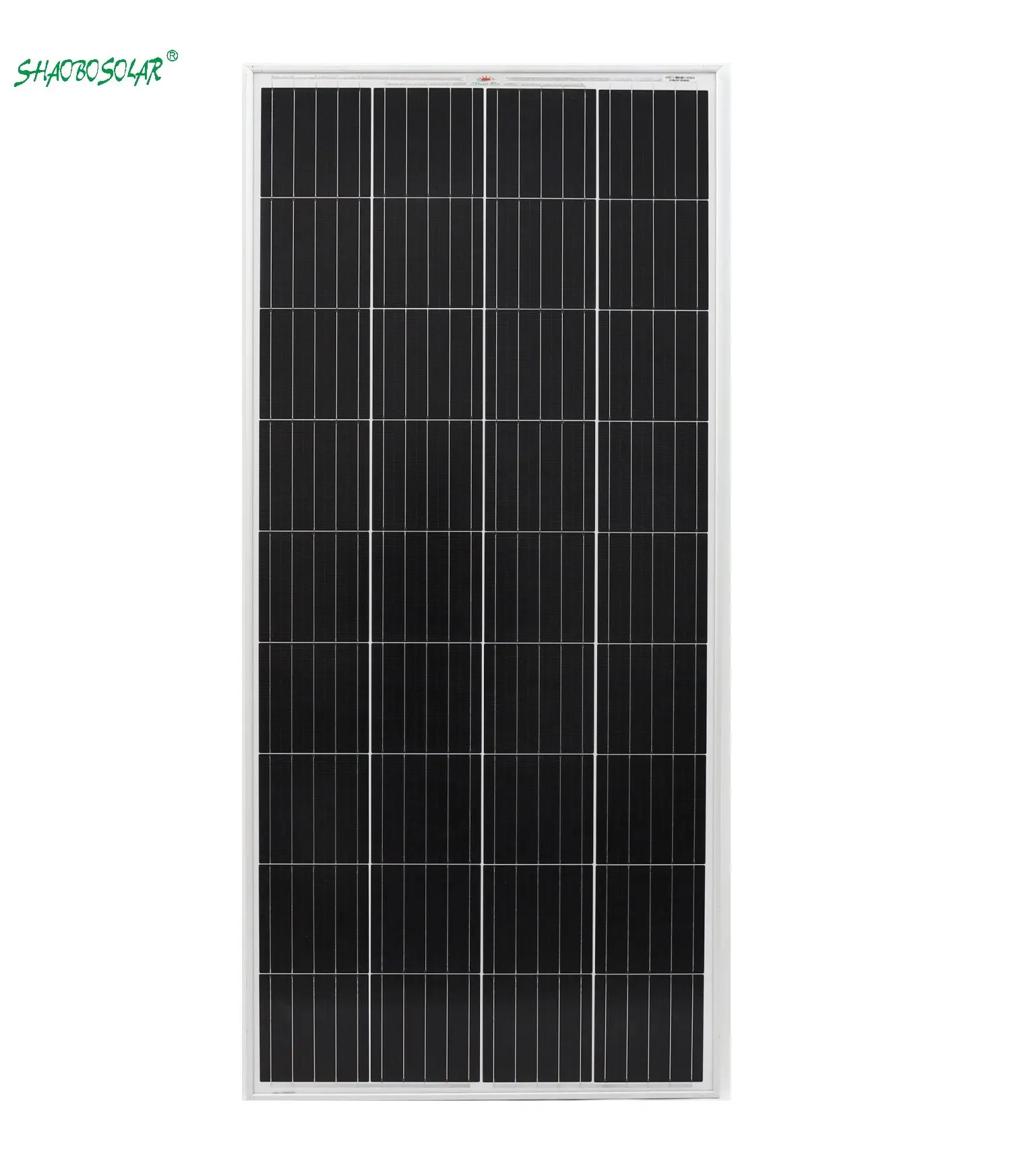
From 2016 to 2020, a transition occurred. The introduction of the mono solar panel began to replace older technologies. This period saw a sharp increase in residential installations as net-metering policies became more favorable for homeowners.

Since 2021, the focus has shifted to "Total System Optimization." The integration of PERC and TOPCon technologies has allowed for higher energy harvesting even during Uruguay's overcast winter months.

Future Development Trends

N-Type Cell Dominance

We predict a total transition toward N-type monocrystalline solar panels to reduce LID (Light Induced Degradation) and improve temperature coefficients.

Bifacial Integration

Agricultural sectors in Uruguay will increasingly adopt bifacial modules to capture reflected light from the soil, increasing total energy yield by up to 15%.

Storage-Centric Systems

The evolution of the house solar power system will move toward hybrid models with integrated lithium-iron-phosphate (LiFePO4) storage to ensure 24/7 energy autonomy.

Industry Trends & Future Outlook

Strategic forecasting for the Uruguayan photovoltaic manufacturing and installation sector.

AI-Driven Energy Management
Integration of AI to predict weather patterns in Uruguay and optimize battery discharge cycles.
Agrivoltaic Synergy
Combining solar generation with crop production to maximize land efficiency in rural Uruguay.
Micro-Grid Expansion
Decentralizing the power grid in remote areas using community-shared solar arrays.
Circular Manufacturing
Implementation of panel recycling programs to handle the end-of-life cycle of early silicon modules.

Industry Outlook

Looking at Google search trends for "sustainable energy Uruguay," there is a clear upward trajectory in queries related to energy independence. The market is shifting from "cost-saving" to "reliability," driving the demand for premium grade equipment.

Over the next 3-5 years, we expect Uruguay to integrate solar more deeply into its industrial sector, specifically in food processing and textile manufacturing, reducing reliance on the national grid during peak hours.

Localized Applications in Uruguay

Tailored solar solutions for the diverse environments of the Uruguayan territory.

1. Residential Rooftops in Montevideo

Utilizing a compact house solar power system to offset high urban electricity costs while maximizing limited roof area with high-efficiency cells.

2. Large-Scale Cattle Ranching (Estancias)

Deploying ground-mounted arrays to power electric fencing and automated water pumps in the interior plains, reducing the need for expensive grid extensions.

3. Vineyard Energy Integration

Installing semi-transparent modules over grapevines to provide shade and generate power for irrigation systems, optimizing land use in the wine regions.

4. Industrial Parks in Canelones

Large-scale implementation of solar panels on warehouse roofs to meet corporate ESG goals and lower operational overhead.

5. Remote Tourism Lodges

Complete off-grid energy solutions using hybrid inverters and high-capacity batteries to provide luxury amenities in ecologically sensitive coastal areas.

Brand Story

Global Development Journey of Hebei Shaobo Photovoltaic Technology Co., Ltd.

Foundational Engineering

Established with a mission to solve the efficiency gap in silicon manufacturing, focusing on high-purity materials for the global market.

Technological Breakthrough

Developed advanced cell architectures that significantly reduced the degradation rate of monocrystalline silicon, setting a new industry standard.

Global Market Expansion

Expanded operations into South America, adapting products to withstand high humidity and varying temperature gradients.

Sustainable Innovation

Launched a green-manufacturing initiative to reduce the carbon footprint of the production process itself.

Future Vision

Striving to become the primary provider of intelligent energy solutions for emerging markets worldwide.

Comprehensive Solar Portfolio for Uruguay

From residential kits to industrial-scale energy plants, optimized for South American performance.

Common Questions for Uruguay Solar Users

Expert answers to the most frequent inquiries about photovoltaic systems in the region.

Which is better for Uruguay: monocrystalline solar panels or polycrystalline?

For most Uruguayan users, monocrystalline solar panels are superior due to their higher efficiency in lower-light conditions and better performance in the temperate climate of South America.

How long does a house solar power system typically last in coastal areas?

A high-quality house solar power system is designed to last 25-30 years. In coastal regions of Uruguay, we recommend anti-corrosive frames to protect against salt mist.

Can a mono solar panel generate power during cloudy winter days in Montevideo?

Yes, a mono solar panel can still generate electricity from diffused sunlight, although the output will be lower than on a clear sunny day.

Are polycrystalline solar panel options still viable for large farms?

While polycrystalline solar panel units are cheaper, they require more space. For large Uruguayan estancias with abundant land, they remain a cost-effective choice for basic power needs.

What is the average payback period for solar panels in Uruguay?

Depending on the energy consumption and local incentives, most solar panels installations in Uruguay reach a break-even point within 5 to 8 years.

Do I need special permits for a house solar power system in residential zones?

Yes, installing a house solar power system usually requires approval from the local municipality and the utility company for grid interconnection.

Ready to Switch to Solar?

Get a customized energy audit and technical proposal for your project in Uruguay.

Contact Us Now

If you are interested in our products, you can choose to leave your information here, and we will be in touch with you shortly.