Advanced house solar power system Solutions for Bulgaria

Advanced house solar power system Solutions for Bulgaria

Advanced house solar power system Solutions for Bulgaria

Empowering Bulgarian homes and businesses with high-efficiency photovoltaic technology to achieve energy independence and sustainable growth.

Advanced house solar power system Solutions for Bulgaria

Integrating cutting-edge solar technology to maximize energy harvest in the Balkan region, providing reliable power for residential and industrial applications.

The Current State of Photovoltaics in Bulgaria

Analyzing the adoption of solar energy within the unique climatic and economic landscape of Bulgaria.

Bulgaria possesses a significant strategic advantage for solar panels due to its high average annual sunshine hours, particularly in the Southern and Thrace regions. The current market is shifting from large-scale utility plants to distributed generation, as rising electricity costs push homeowners toward self-consumption models.

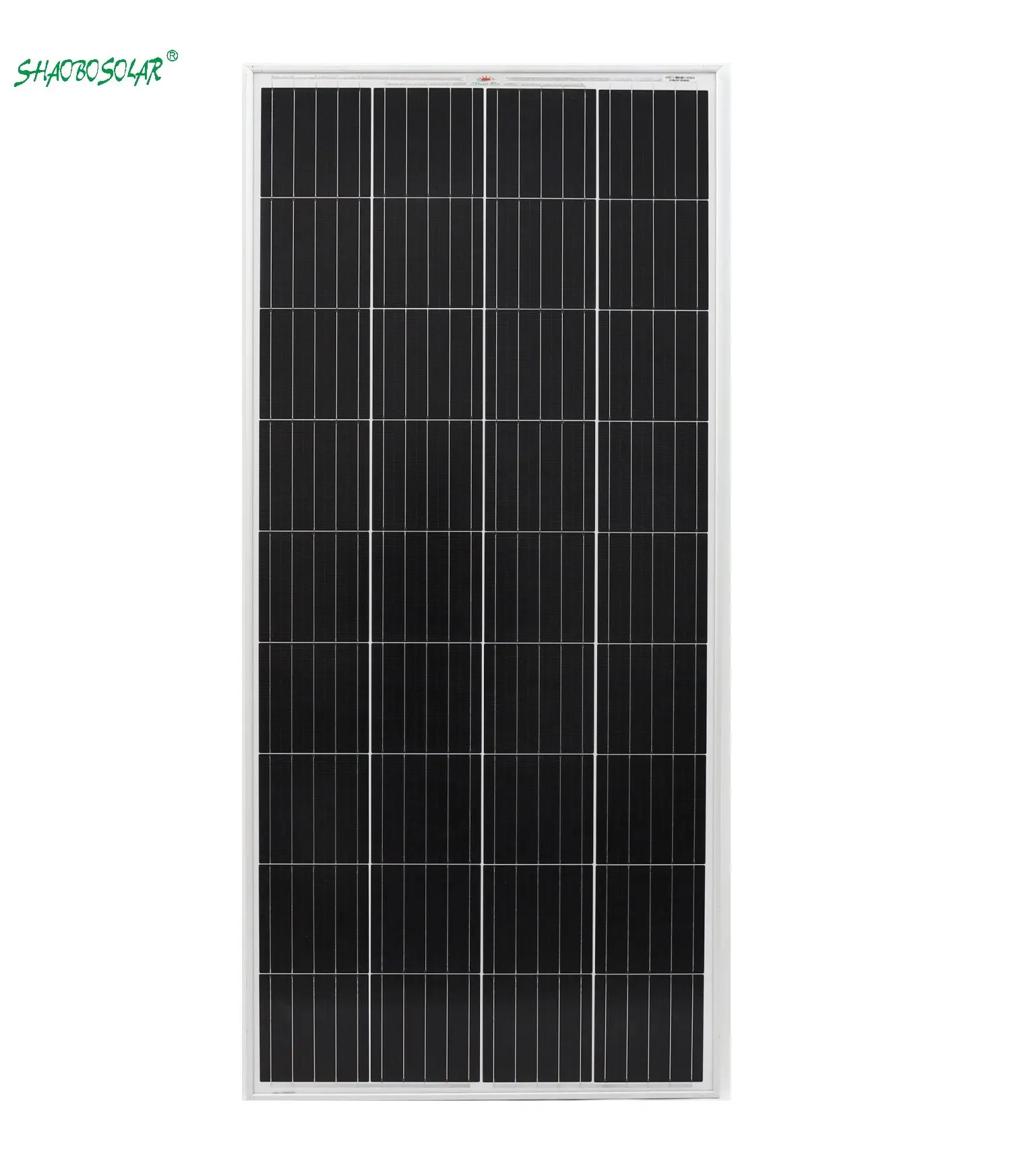
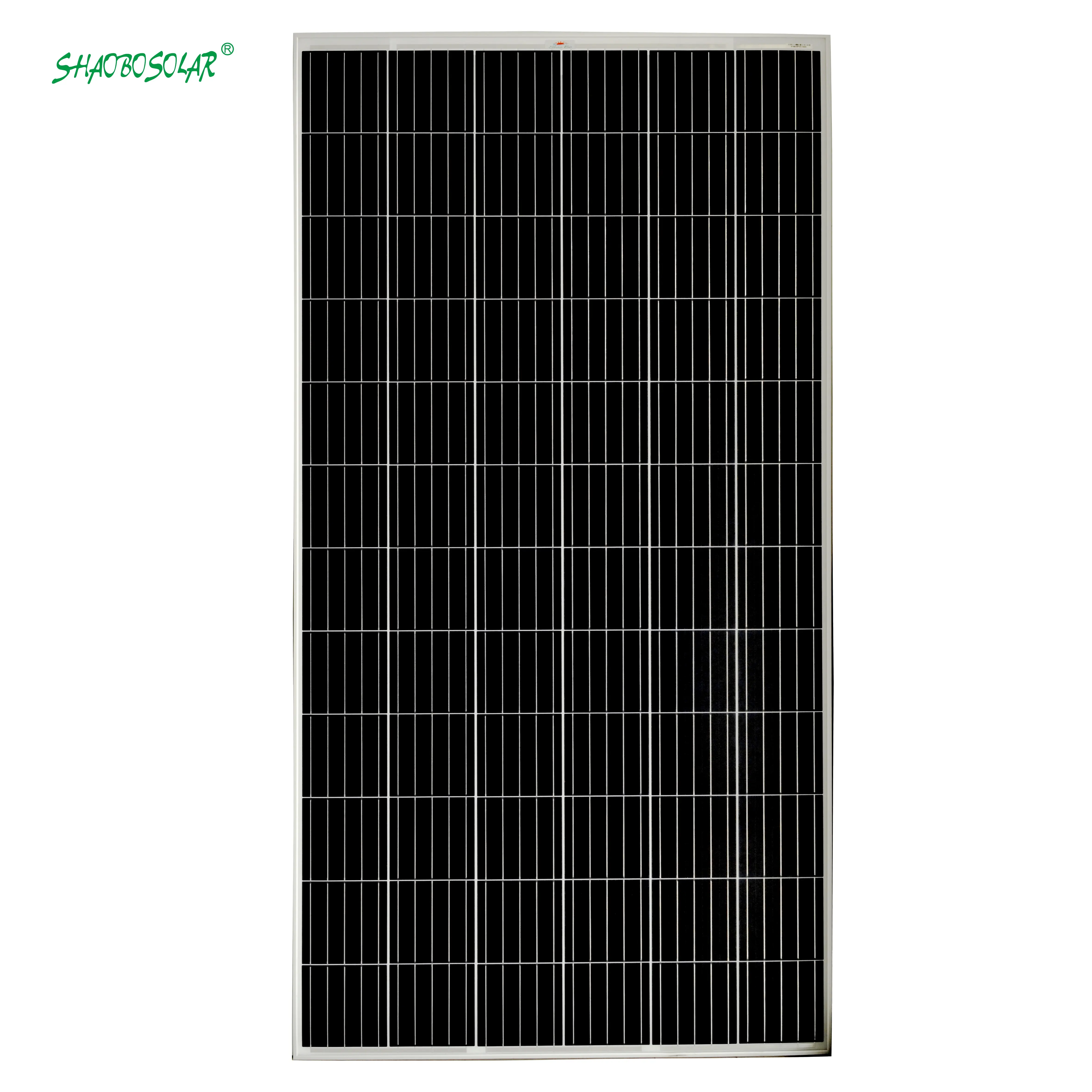
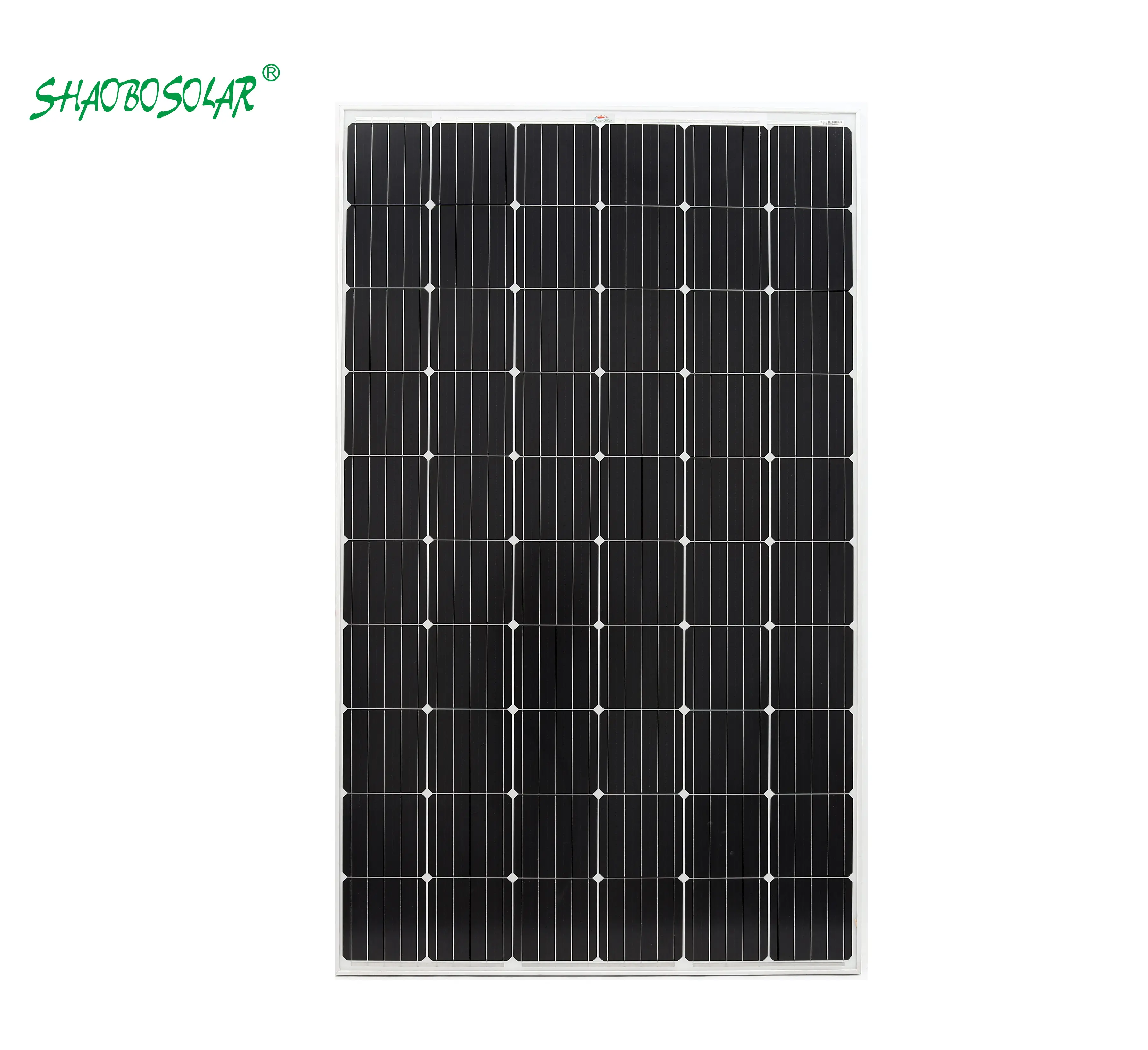
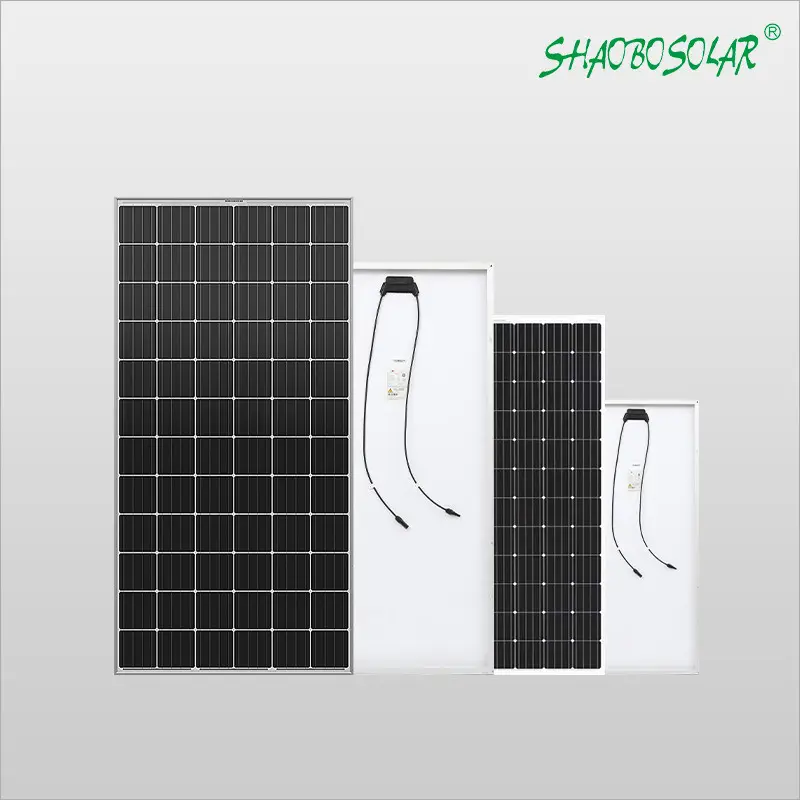
The adoption of monocrystalline solar panels has surged in urban areas like Sofia and Plovdiv, where roof space is limited. These high-efficiency modules provide the best energy density, allowing Bulgarian residents to maximize their limited available area while meeting EU energy efficiency directives.

Despite the growth, the market faces challenges regarding grid integration and regulatory shifts. However, the push for carbon neutrality by 2050 is driving a massive transition toward integrated mono solar panel installations combined with battery storage to stabilize the local energy supply.
Evolution and Development Trajectory of Solar Tech

From basic silicon cells to high-performance energy ecosystems in the Bulgarian market.

Market Development History

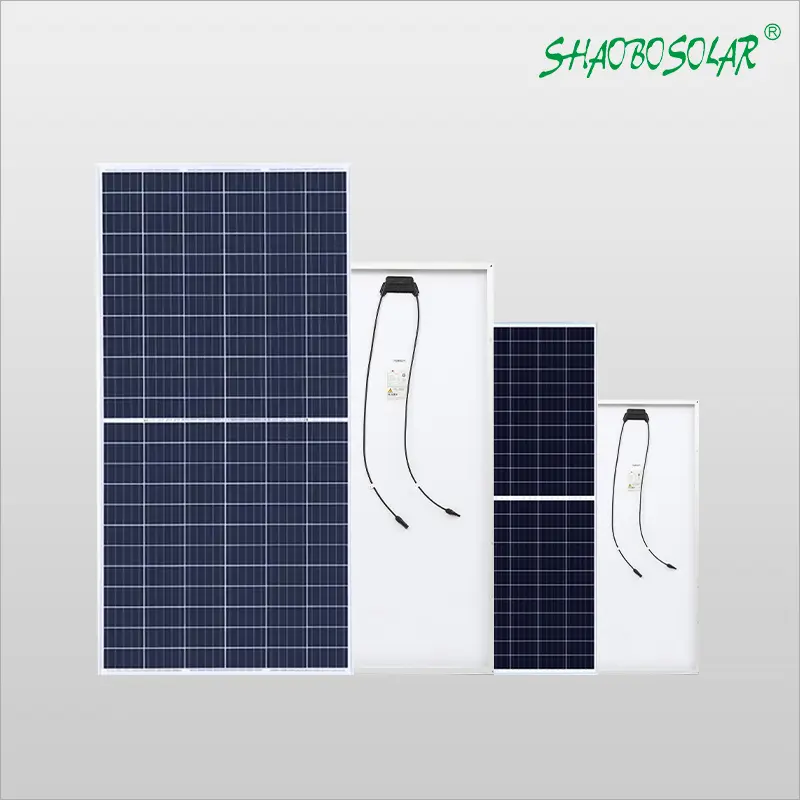
In the early 2010s, the Bulgarian market was dominated by polycrystalline solar panel technology. These modules were favored for their lower initial cost during the early feed-in tariff boom, although they offered lower efficiency in the varied Balkan climate.

Between 2015 and 2020, a technical pivot occurred. The industry shifted toward PERC (Passivated Emitter and Rear Cell) technology, significantly increasing the conversion rates of standard silicon wafers and making residential installations more viable for the average homeowner.

From 2021 to the present, we have entered the era of N-type cells and TOPCon technology. This evolution has led to the dominance of high-wattage modules that perform better under low-light conditions, which is critical for Bulgarian winters.

Future Development Trends

Bifacial Module Integration

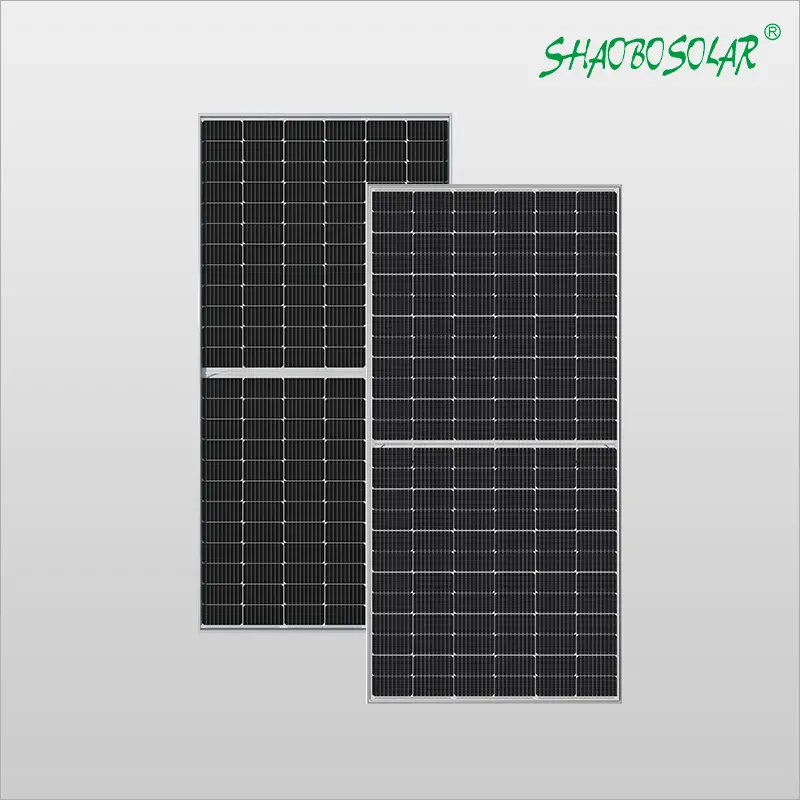
Increasing adoption of double-sided panels to capture reflected light from snowy landscapes in the Rhodope and Balkan mountains.

AI-Driven Energy Management

Integration of smart inverters and AI software to predict energy production based on Bulgarian meteorological data.

Hybrid Storage Systems

A shift from simple grid-tie systems to hybrid solutions that combine solar generation with advanced lithium-ion storage.

Industry Trends and Future Outlook

Predicting the next 3-5 years of solar evolution based on global search trends and local demand.

Efficiency Breakthroughs
Transitioning toward Tandem Perovskite cells to break the theoretical efficiency limit of silicon.
Smart Grid Integration
Implementing Virtual Power Plants (VPP) to allow Bulgarian homes to sell energy back to the grid.
BIPV Adoption
Building-Integrated Photovoltaics becoming standard for new construction in Bulgarian cities.
Circular Economy
Focus on panel recyclability and sustainable material sourcing within the EU framework.

Industry Outlook

Based on Google search trend data for Eastern Europe, queries related to "energy independence" and "hybrid solar systems" are increasing. This indicates a shift in consumer behavior from purely financial incentives to energy security.

We expect a CAGR of 8% in the Bulgarian residential sector over the next 3 years, as the government aligns more closely with the EU's "REPowerEU" plan to phase out fossil fuels.

Localized Application Scenarios in Bulgaria

Practical implementations of solar technology tailored to the Bulgarian environment.

01. Residential Roofs in Sofia

Implementing high-density monocrystalline solar panels on urban rooftops to combat high electricity tariffs and limited space.

02. Agricultural Farms in Thrace

Large-scale deployment of arrays for irrigation systems and greenhouse climate control, reducing operational costs for farmers.

03. Mountain Retreats in the Rhodopes

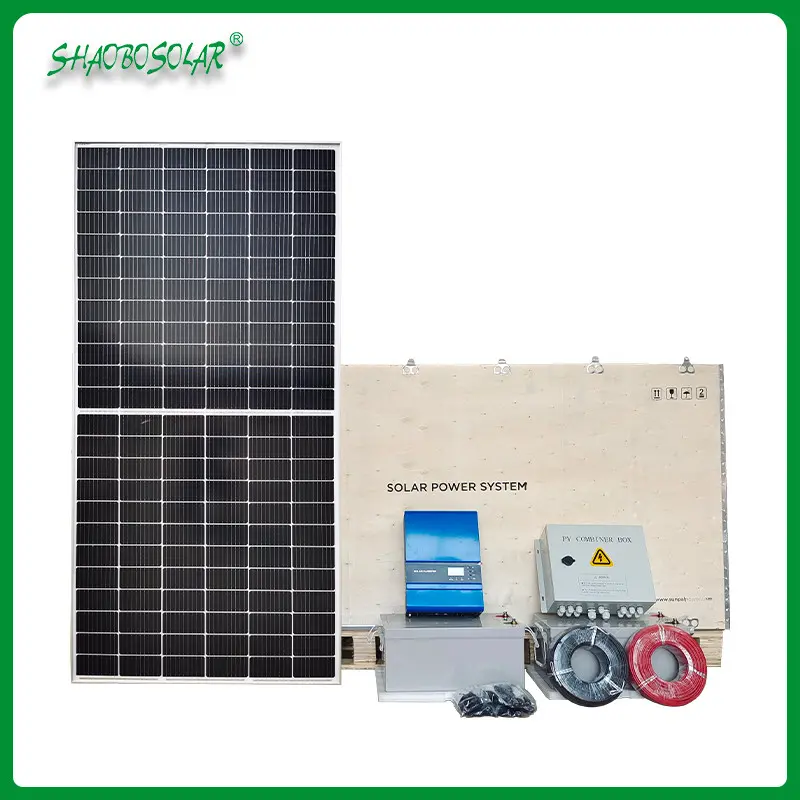
Off-grid house solar power system configurations with heavy-duty battery storage for remote chalets.

04. Industrial Parks in Plovdiv

Installing massive solar canopies over parking lots and warehouses to power manufacturing lines with green energy.

05. Coastal Tourism in Varna

Seasonal energy optimization using hybrid systems to manage the peak electricity demand during the summer tourist influx.

Brand Story

Global Development History of Hebei Shaobo Photovoltaic Technology Co., Ltd.

The Foundation of Innovation

Founded with a mission to democratize solar energy, we started by solving the efficiency gap in early silicon cell manufacturing.

Technological Breakthroughs

We pioneered advanced passivation techniques that allowed our modules to outperform standard industry benchmarks in low-light regions.

Global Expansion

Expanding into the European market, we tailored our products to meet the rigorous quality and safety standards of the EU.

Focus on Sustainability

Integrating a circular economy model to ensure that every panel produced has a clear path to recycling and minimal environmental impact.

Empowering Bulgaria

Establishing strong partnerships in Bulgaria to provide customized energy solutions for the unique Balkan climate and terrain.

Comprehensive Solar Product Portfolio for Bulgaria

High-performance equipment designed to withstand local weather and maximize energy yield.

Frequently Asked Questions in Bulgaria

Expert answers to the most common queries regarding solar installations in the region.

Which are the best monocrystalline solar panels for Bulgarian winters?

N-type TOPCon modules are highly recommended for Bulgaria as they maintain better efficiency in low-light conditions and cold temperatures common in the winter months.

How much can a house solar power system reduce my electricity bill in Sofia?

Depending on the system size and consumption patterns, homeowners can reduce their grid dependency by 60% to 90%, significantly lowering monthly utility costs.

Is a polycrystalline solar panel still a viable option for large farms?

While they offer a lower initial cost, the lower efficiency means you need more land. For most Bulgarian farms, the long-term ROI of mono-PERC is now superior.

What is the average lifespan of solar panels in the Balkan climate?

Our high-quality modules are designed to last 25-30 years, with a linear degradation rate that ensures at least 80% efficiency at the end of the warranty period.

Do I need special permits for a mono solar panel installation in Bulgaria?

Yes, you typically need a project design approved by a certified engineer and a connection agreement from the local electricity distribution company (DSO).

How do I maintain my solar panels during snowy Bulgarian winters?

Most panels are designed for snow to slide off naturally. Occasional gentle cleaning and ensuring that the mounting structure is rated for local snow loads is sufficient.

Ready to Transition to Solar Energy?

Get a professional consultation for your project in Bulgaria and start saving on your energy costs today.

Contact Us Now

If you are interested in our products, you can choose to leave your information here, and we will be in touch with you shortly.