
Advanced house solar power system Solutions for Hungary

Advanced house solar power system Solutions for Hungary

Advanced house solar power system Solutions for Hungary

Optimizing energy independence across the Pannonian Basin with high-efficiency photovoltaic technology tailored for the Hungarian climate.

Advanced house solar power system Solutions for Hungary

Empowering Hungarian homeowners and businesses with cutting-edge solar infrastructure to reduce grid dependency and lower carbon footprints through premium photovoltaic components.

The Solar Landscape in Hungary

Analyzing the adoption of photovoltaic energy in Central Europe's emerging green hub.

Hungary's geographic position in the Carpathian Basin provides a significant advantage for the installation of solar panels, benefiting from a high number of annual sunshine hours. The Hungarian government's focus on diversifying energy sources has led to a surge in residential and industrial demand for sustainable power.

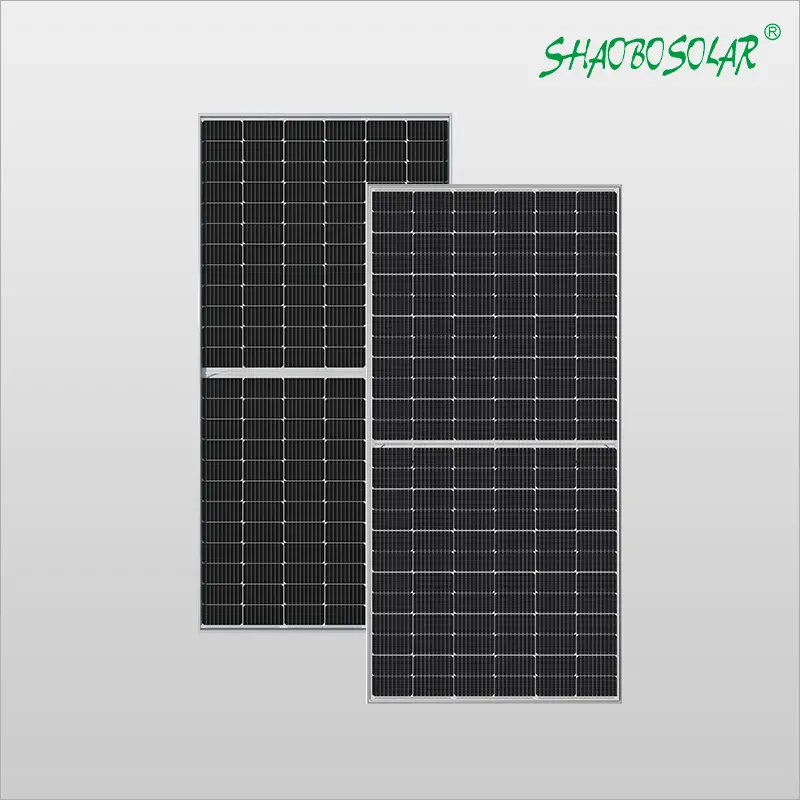
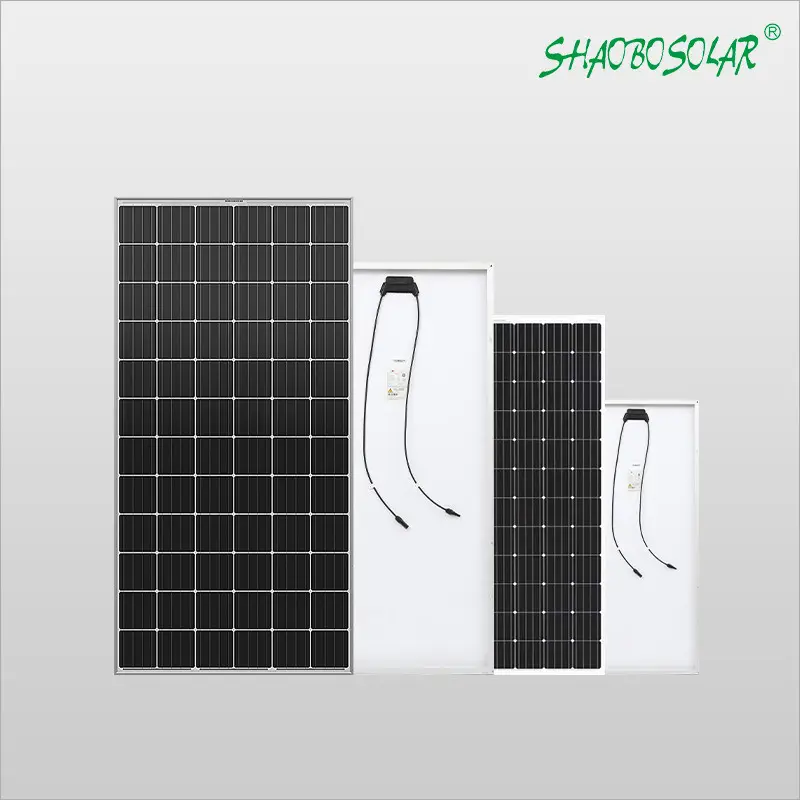
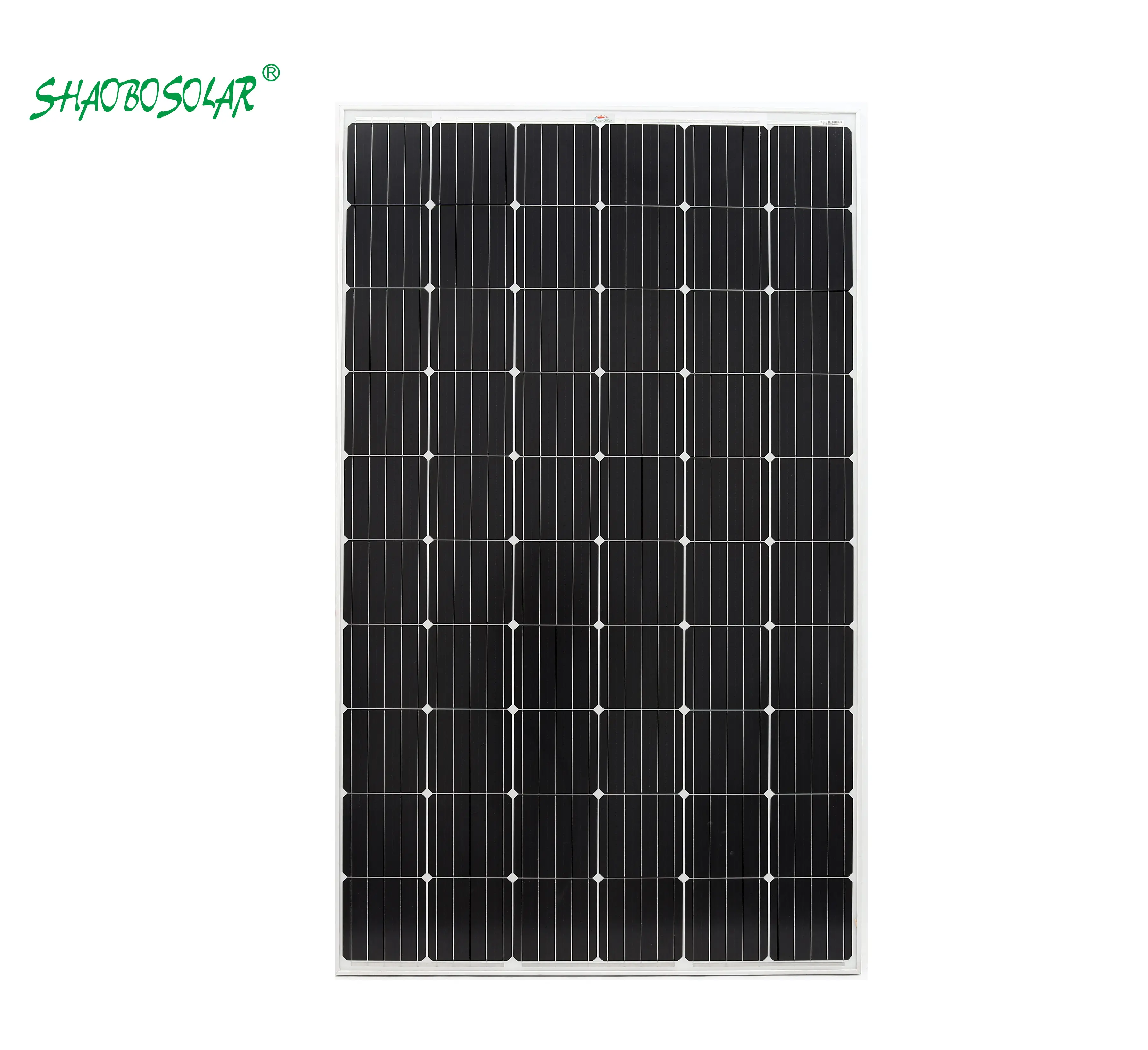
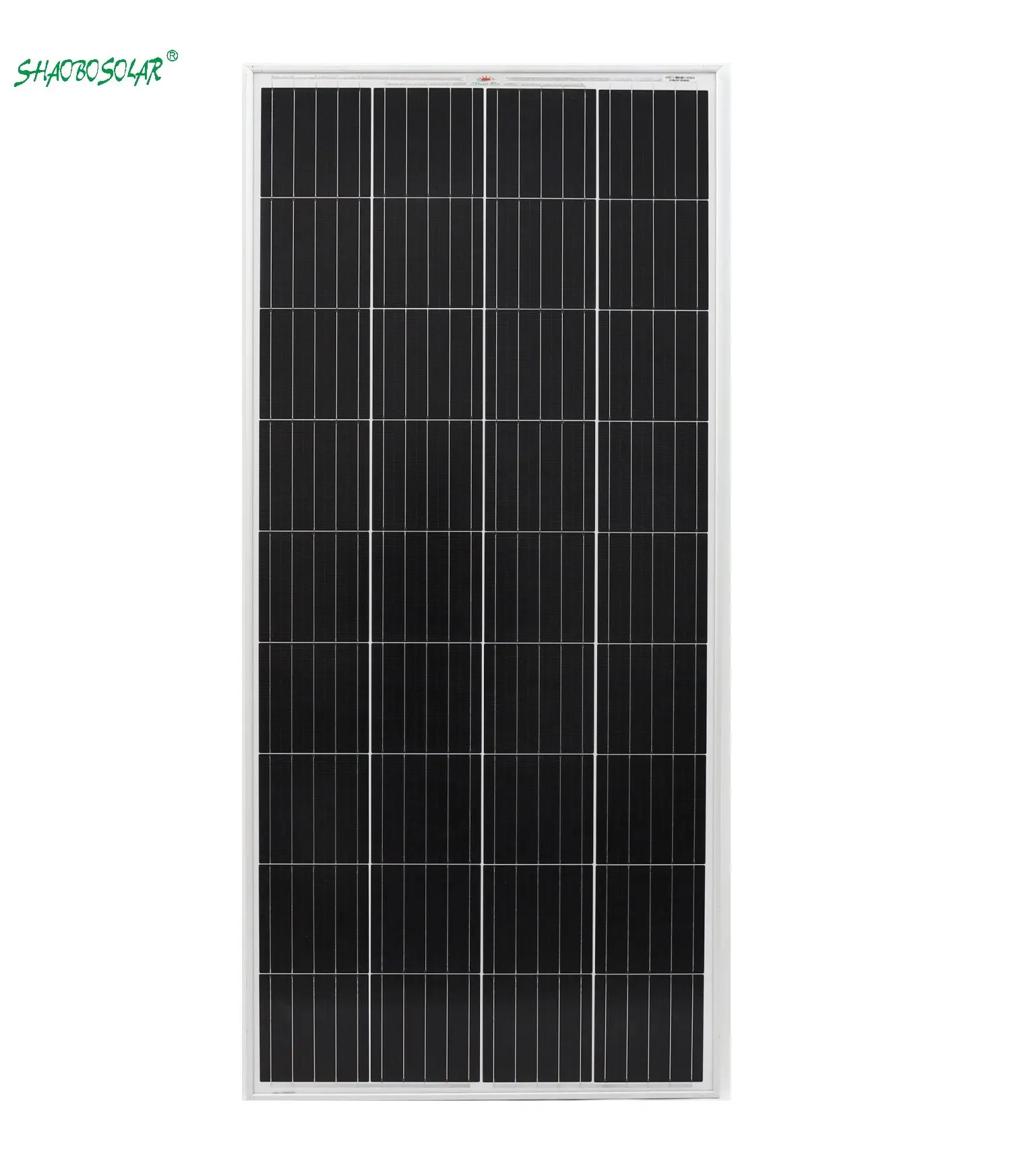
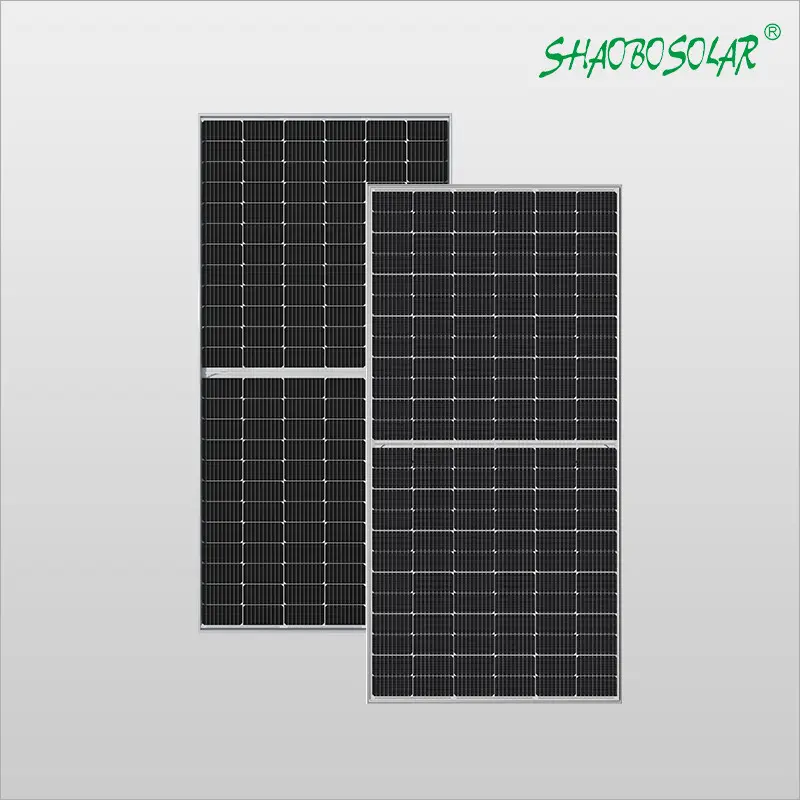
Current market dynamics show a strong shift toward high-efficiency modules. While older installations often used basic technology, the current trend in Budapest and Debrecen emphasizes the deployment of monocrystalline solar panels to maximize energy yield from limited rooftop areas.

Economic incentives and the rising cost of traditional electricity have made the transition to a comprehensive solar setup a strategic financial decision for Hungarian estates, integrating energy storage to handle the seasonal variations of the Central European climate.
Evolution of Photovoltaic Technology in Hungary

From early adoption to the era of high-performance energy harvesting.

Market Development History

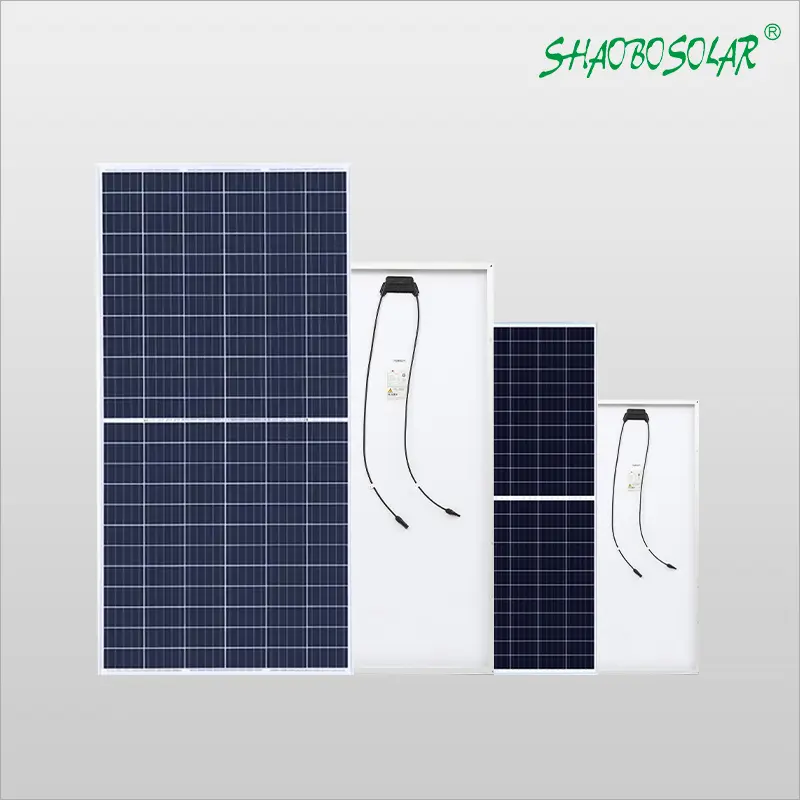
Between 2010 and 2015, the Hungarian market was dominated by basic polycrystalline solar panel arrays, which provided a cost-effective entry point but suffered from lower efficiency and higher temperature coefficients.

From 2016 to 2020, a technical pivot occurred. The industry moved toward the mono solar panel architecture, utilizing PERC (Passivated Emitter and Rear Cell) technology to significantly enhance light absorption and energy conversion rates.

Since 2021, the market has entered the "Smart Integration" phase, where the focus is no longer just on the panel, but on the entire ecosystem, combining high-wattage modules with hybrid inverters and intelligent energy management systems.

Future Development Trends

N-Type TopCon Transition

We predict a rapid shift toward N-type cells, which offer lower degradation and better performance in the humid continental climate of Hungary.

BIPV Integration

Building-Integrated Photovoltaics will become standard in new Hungarian urban developments, replacing traditional roofing materials with active energy generators.

AI-Driven Energy Optimization

Integration of machine learning to predict weather patterns in the Pannonian region, optimizing battery discharge cycles for maximum cost-efficiency.

Industry Outlook and Future Projections

Navigating the trajectory of solar energy innovation in the Hungarian market.

Efficiency Breakthroughs
The shift toward Tandem Perovskite cells to exceed the theoretical Shockley-Queisser limit of silicon.
Energy Storage Synergy
Widespread adoption of LiFePO4 batteries to ensure 24/7 power availability during Hungarian winters.
Smart Grid Integration
Developing peer-to-peer energy trading within local Hungarian communities using blockchain.
Circular Economy
Implementing advanced recycling programs for end-of-life modules to minimize electronic waste in EU.

Industry Outlook

Based on current search trends and EU Green Deal directives, the Hungarian solar market is expected to grow at a CAGR of over 12% through 2028. The demand is shifting from simple installation to high-performance optimization.

We anticipate a convergence of EV charging infrastructure and residential solar, where the house becomes a decentralized power plant, feeding energy back into the national grid during peak demand.

Localized Solar Applications in Hungary

Real-world deployment scenarios tailored to Hungarian environmental and economic conditions.

01. Residential Rooftops in Budapest

Utilizing high-density monocrystalline modules to maximize energy production in urban settings with limited roof space and complex shading from neighboring buildings.

02. Agricultural Powering in Great Plain

Large-scale ground-mounted arrays providing sustainable energy for irrigation systems and cold storage in the agricultural heartlands of Hungary.

03. Industrial Parks in Győr

Integrating solar carports and factory roof installations to reduce operational costs for the automotive manufacturing sector.

04. Off-Grid Cabins in Bükk Mountains

Hybrid systems combining solar panels with deep-cycle battery storage for complete energy autonomy in remote forested regions.

05. Commercial Hospitality in Lake Balaton

Seasonal energy optimization for resorts, ensuring peak summer cooling needs are met through sustainable solar generation.

Brand Story

Global Development Journey of Hebei Shaobo Solar Technology Co., Ltd.

Foundation & Vision

Established with a mission to democratize clean energy, focusing on solving the efficiency gap in early-stage silicon cell manufacturing.

Technical Innovation

Developed proprietary cell-cutting and bonding techniques that significantly reduced internal resistance and increased module longevity.

European Expansion

Entered the EU market, tailoring products to meet stringent CE standards and the specific climatic needs of Central and Eastern Europe.

Sustainability Milestone

Achieved carbon-neutral production cycles, ensuring that the manufacturing process of our solar modules is as green as the energy they produce.

Global Leadership

Now recognized as a top-tier provider of integrated PV solutions, empowering millions of households worldwide with reliable green energy.

Comprehensive Solar Product Portfolio for Hungary

High-performance components engineered for maximum durability and yield in the Hungarian environment.

Hungarian Solar Installation FAQ

Expert answers to common questions regarding solar energy in Hungary.

Which are the best solar panels for the Hungarian climate?

For the Hungarian climate, monocrystalline solar panels are highly recommended due to their superior efficiency in varying light conditions and better performance in the limited winter sunlight of Central Europe.

How does a house solar power system impact property value in Budapest?

Installing a professional house solar power system typically increases property value by improving the energy rating of the home and reducing long-term utility costs for future buyers.

Is a mono solar panel more efficient than polycrystalline?

Yes, a mono solar panel generally offers higher conversion efficiency and a smaller footprint, making it ideal for residential roofs where space is a premium.

What is the average lifespan of solar panels installed in Hungary?

Most modern solar panels are warranted for 25 years, though they can continue producing energy for 30+ years with minimal degradation.

Are polycrystalline solar panels still viable for large Hungarian farms?

While less efficient, a polycrystalline solar panel can still be a viable cost-effective option for massive ground-mount installations where land is abundant.

How do I maintain my solar system during Hungarian winters?

Regularly removing heavy snow accumulation and ensuring the panels are clear of debris from autumn leaves is sufficient to maintain peak performance.

Ready to Energize Your Future?

Our expert engineers are ready to design the perfect energy solution for your project in Hungary. Join the green revolution today.

Contact Us Now

If you are interested in our products, you can choose to leave your information here, and we will be in touch with you shortly.