
HighEfficiency house solar power system for Netherlands Homes

HighEfficiency house solar power system for Netherlands Homes

High-Efficiency house solar power system for Netherlands Homes

Empowering Dutch households with sustainable energy through cutting-edge photovoltaic technology tailored for Northern European climates.

High-Efficiency house solar power system for Netherlands Homes

We provide integrated solar energy solutions specifically engineered to maximize energy harvest in the Netherlands, combining durability with high conversion rates.

The State of Solar Energy in the Netherlands

Navigating the unique challenges of the Dutch climate and energy market.

The Netherlands has seen a massive surge in the adoption of solar panels, driven by strong government incentives and a national commitment to the energy transition. Despite the frequent cloud cover and moderate sunlight hours, the Dutch market is one of the most dense in Europe for residential rooftop installations.

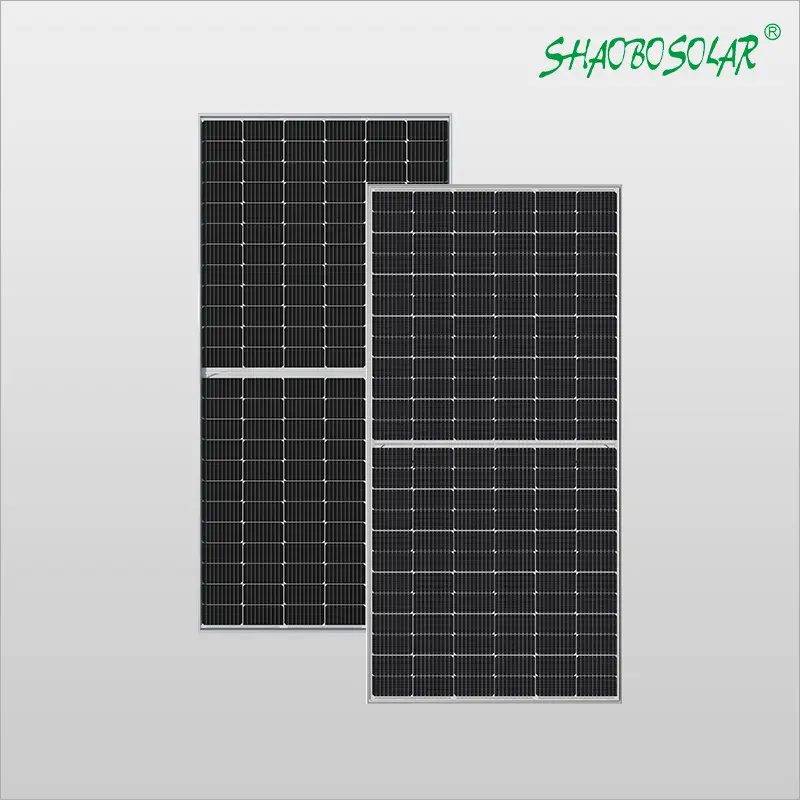
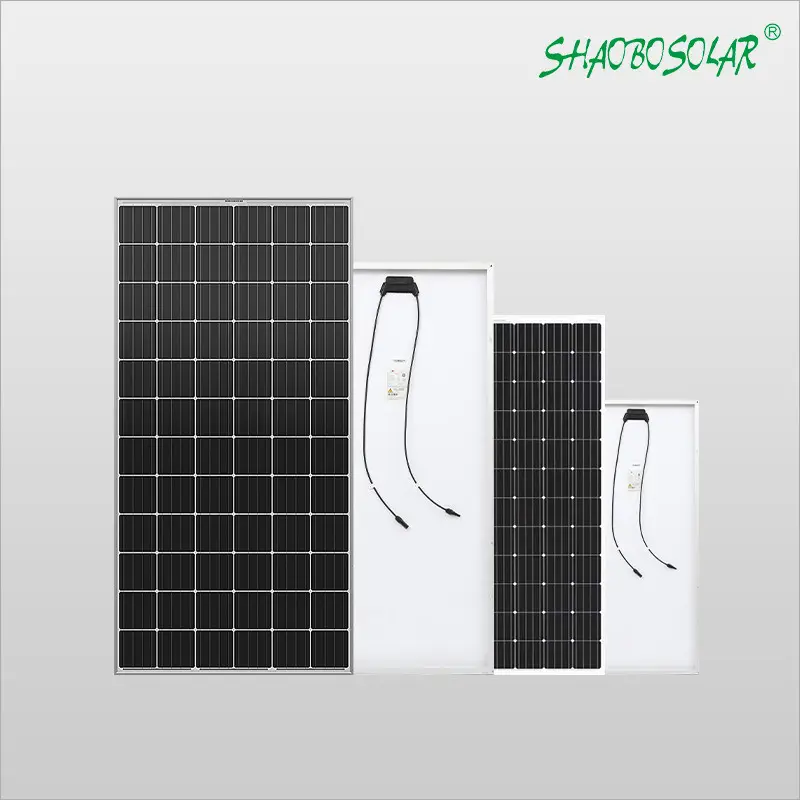
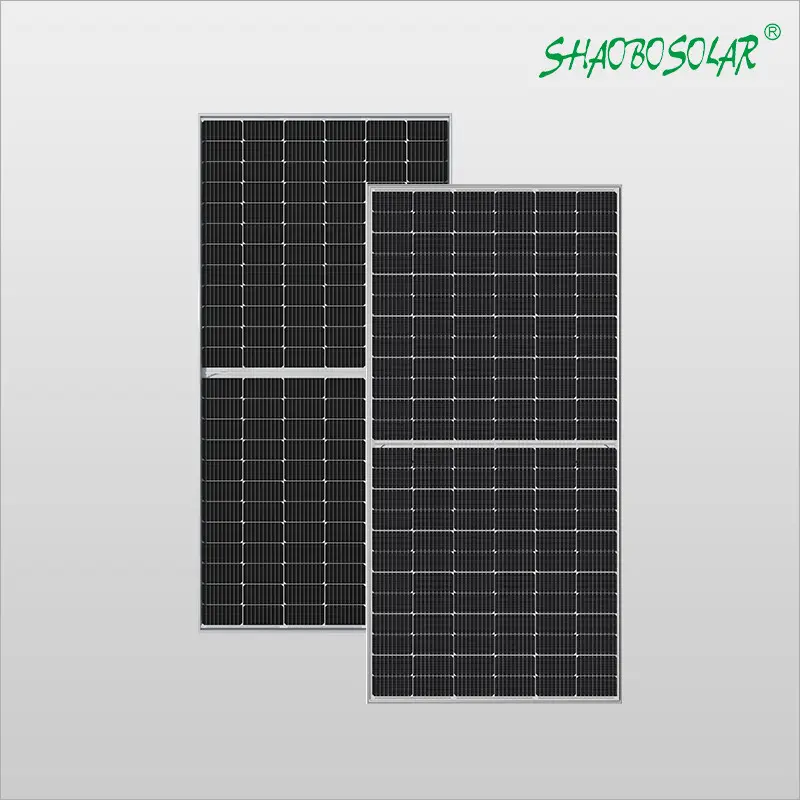
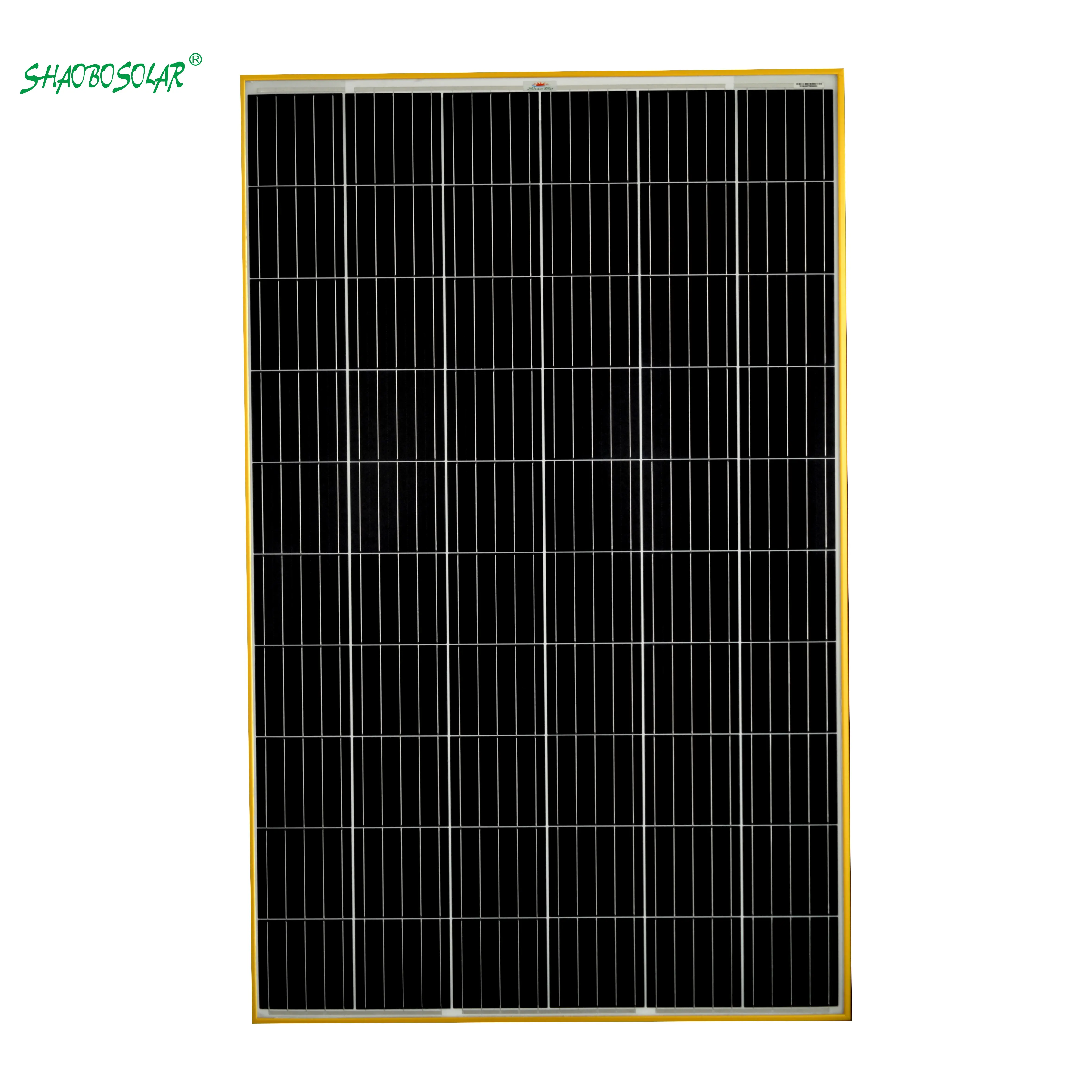
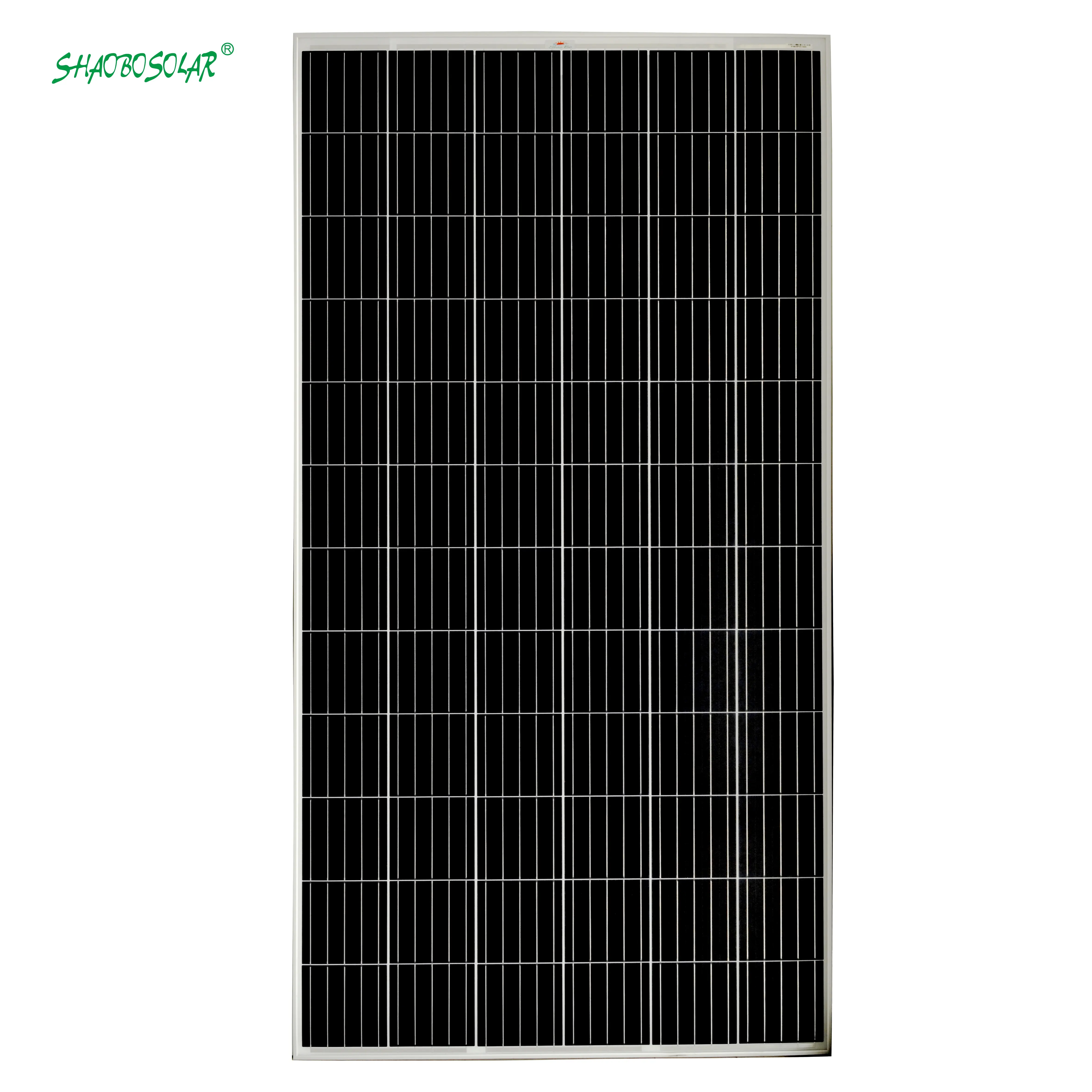
Current market dynamics show a clear shift toward high-efficiency modules. Because roof space is often limited in urban areas like Amsterdam or Rotterdam, homeowners are increasingly choosing monocrystalline solar panels to ensure the maximum possible wattage per square meter.

However, the "salderingsregeling" (net metering) debate continues to influence how systems are designed. There is a growing trend toward incorporating battery storage to optimize self-consumption, moving the industry from simple grid-injection to complex, smart energy management systems.
Evolution and Trajectory of Solar Technology

From early adoption to the era of ultra-high efficiency.

Market Development History

In the early 2010s, the Dutch market was dominated by polycrystalline solar panel technology. These were cost-effective and sufficient for the early wave of adopters, though they struggled with efficiency in low-light conditions common in the Benelux region.

Between 2015 and 2020, a significant technological pivot occurred. The industry transitioned toward the mono solar panel, utilizing PERC (Passivated Emitter and Rear Cell) technology to significantly enhance light absorption and performance during the grey Dutch winters.

By 2023, the focus shifted toward N-type TOPCon and HJT cells. This iteration has reduced degradation rates and improved the temperature coefficient, allowing systems to perform better even during the unexpected heatwaves that have recently affected Northern Europe.

Future Development Trends

Integration of AI Energy Management

Future systems will utilize AI to predict weather patterns in the Netherlands, automatically shifting heavy appliance loads to peak production hours.

Bifacial Module Dominance

We expect a rise in bifacial modules for ground-mounted systems in agricultural areas, capturing reflected light from the flat Dutch landscapes.

Circular Economy in Manufacturing

The next 3-5 years will see a push for 100% recyclable modules, aligning with the EU's strict Green Deal regulations and Dutch waste management laws.

Industry Trends and Future Outlook

Strategic foresight for the photovoltaic sector in the Netherlands.

High-Density Cell Tech
Moving toward 22%+ efficiency cells to compensate for limited Dutch rooftop footprints.
Energy Independence
Increased integration of Hybrid Inverters and LiFePO4 batteries for 24/7 power.
Smart Grid Sync
Developing V2G (Vehicle-to-Grid) systems to use EVs as domestic energy buffers.
BIPV Integration
Building-Integrated PV (BIPV) becoming standard in new Dutch sustainable housing projects.

Industry Outlook

Based on Google Search trends for the Netherlands, there is a significant increase in queries regarding "battery storage efficiency" and "hybrid solar systems." This indicates a shift from merely installing panels to optimizing the entire energy ecosystem.

The long-term outlook remains bullish. As Europe seeks to decouple from fossil fuels, the Dutch manufacturing and installation sector will pivot toward "Energy-as-a-Service" (EaaS) models, focusing on long-term performance and lifecycle management.

Localized Application Scenarios in the Netherlands

Real-world deployments tailored to the Dutch environment.

01. Urban Rooftop Installations in Randstad

Utilizing high-wattage monocrystalline modules for compact city houses in the Randstad area where roof space is extremely limited and maximum efficiency is mandatory.

02. Agricultural Solar Parks in Zeeland

Large-scale deployments of bifacial panels in flat coastal regions, maximizing ground reflection and supporting dual-use land strategies (Agri-PV).

03. Sustainable Housing Projects in Utrecht

Integration of BIPV solutions into new "zero-energy" neighborhoods, where solar cells are embedded directly into facades and roof tiles.

04. Off-Grid Summer Cabins in Veluwe

Implementing independent power systems combining panels with deep-cycle batteries for remote recreational areas where grid connection is unavailable.

05. Industrial Warehouses in Tilburg

Massive array installations on flat industrial roofs, utilizing high-durability modules to power logistics centers and EV charging fleets.

Brand Story

Global Development Journey of Hebei Shaobo Photovoltaic Technology Co., Ltd.

Founding Vision

Established with the mission to democratize high-efficiency energy, focusing on solving the gap between lab-scale efficiency and mass-market affordability.

Technical Breakthroughs

Pioneered specialized cell structures that improve performance in low-irradiance environments, specifically targeting Northern European needs.

European Expansion

Strategically expanded into the EU market, establishing quality standards that meet the rigorous CE and IEC certifications required in the Netherlands.

Sustainability Commitment

Implemented a "Green Factory" initiative, reducing the carbon footprint of the manufacturing process for every panel produced.

Global Leadership

Today, we serve as a key partner for residential and industrial solar projects worldwide, delivering reliability and innovation.

Frequently Asked Questions in the Netherlands

Expert answers to the most common Dutch solar queries.

Do monocrystalline solar panels work well in cloudy Dutch weather?

Yes, modern monocrystalline cells are significantly more efficient at capturing diffused light, making them the ideal choice for the Netherlands' frequent cloud cover.

What is the average payback period for a house solar power system in the Netherlands?

Depending on the system size and energy consumption, most Dutch homeowners see a return on investment within 5 to 8 years.

Are polycrystalline solar panels still a viable option for residential use?

While more affordable, they require more roof space to produce the same energy as mono panels. They are viable for large budgets with ample space, but mono is generally recommended for efficiency.

How do I choose the right mono solar panel for my roof orientation?

For East-West orientations, we recommend using high-efficiency N-type modules which perform better at suboptimal angles throughout the day.

Can solar panels be integrated with heat pumps in Dutch homes?

Absolutely. Combining solar PV with a heat pump is the gold standard for sustainable Dutch living, drastically reducing gas reliance.

What maintenance is required for solar panels in a coastal climate like the Netherlands?

Annual cleaning to remove salt deposits and dust is recommended to maintain peak efficiency, along with a professional electrical check every two years.

Ready to Transition to Solar?

Consult with our experts to design the perfect energy system for your property in the Netherlands.

Contact Us Now

If you are interested in our products, you can choose to leave your information here, and we will be in touch with you shortly.