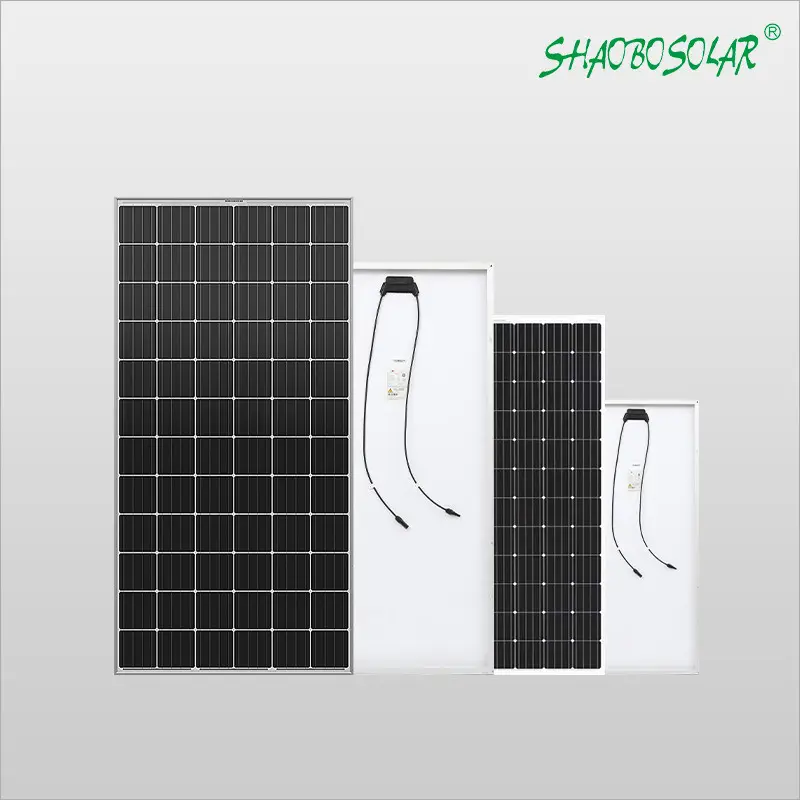
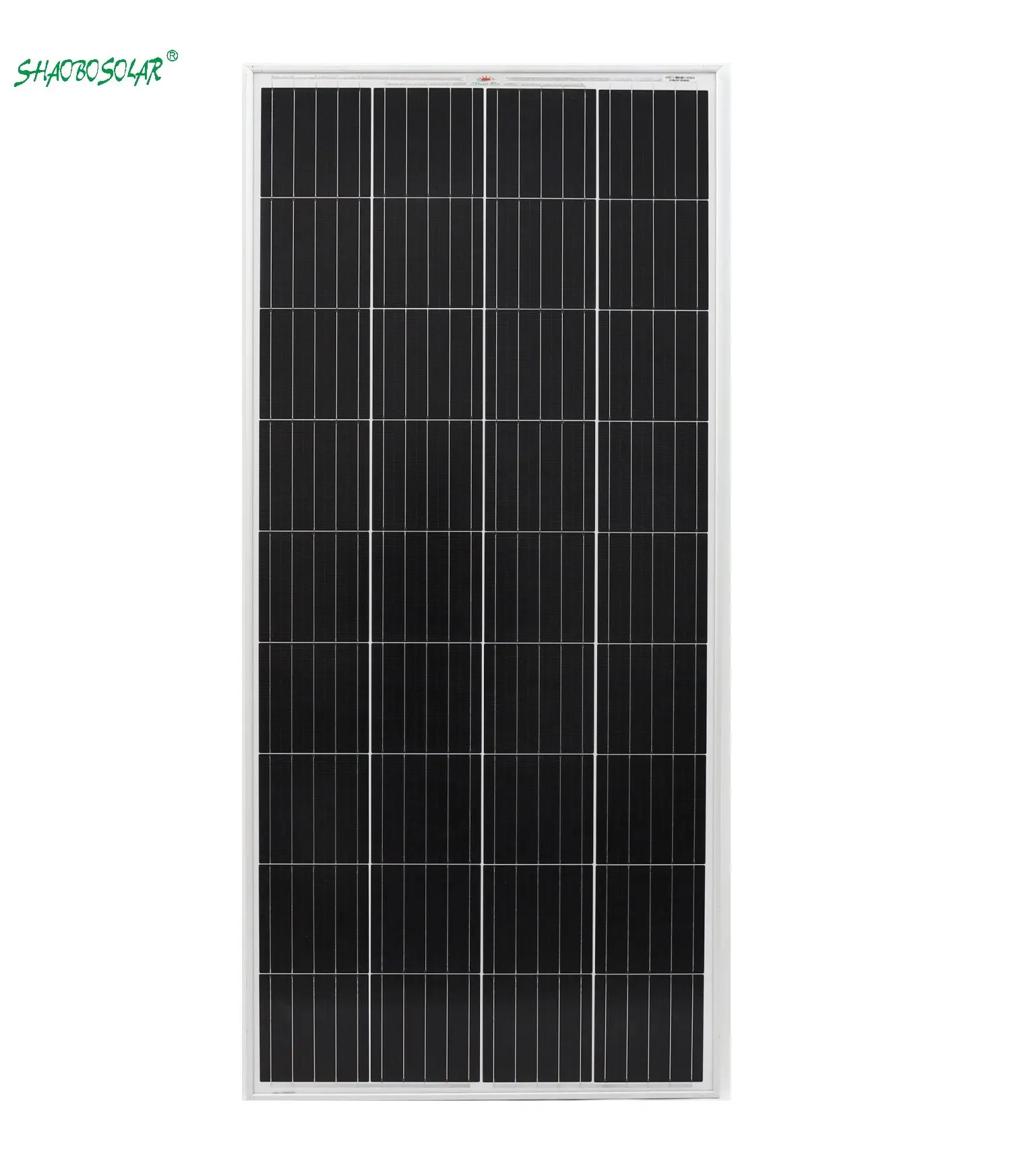
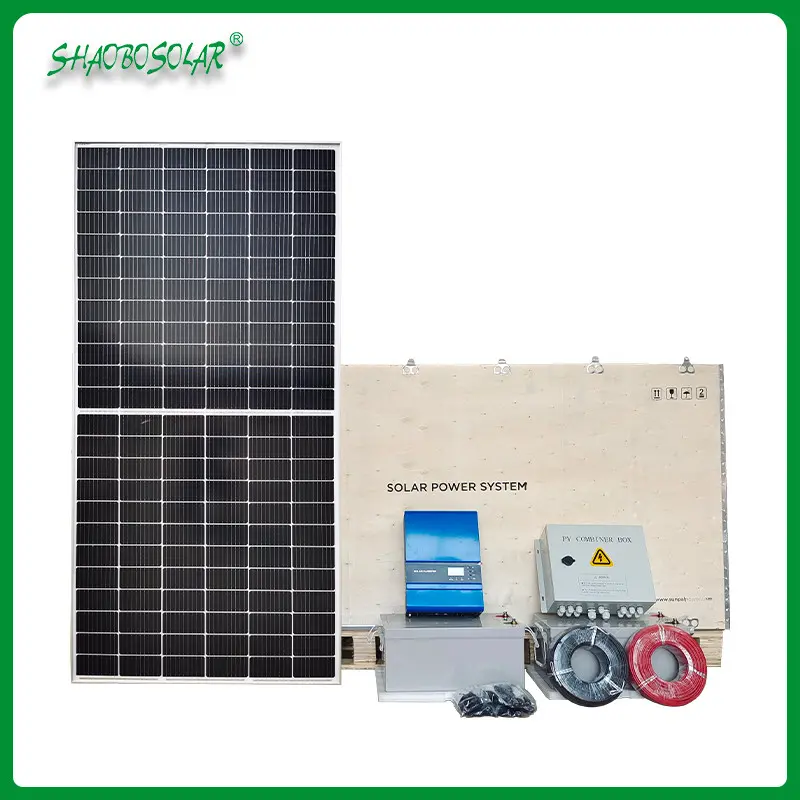
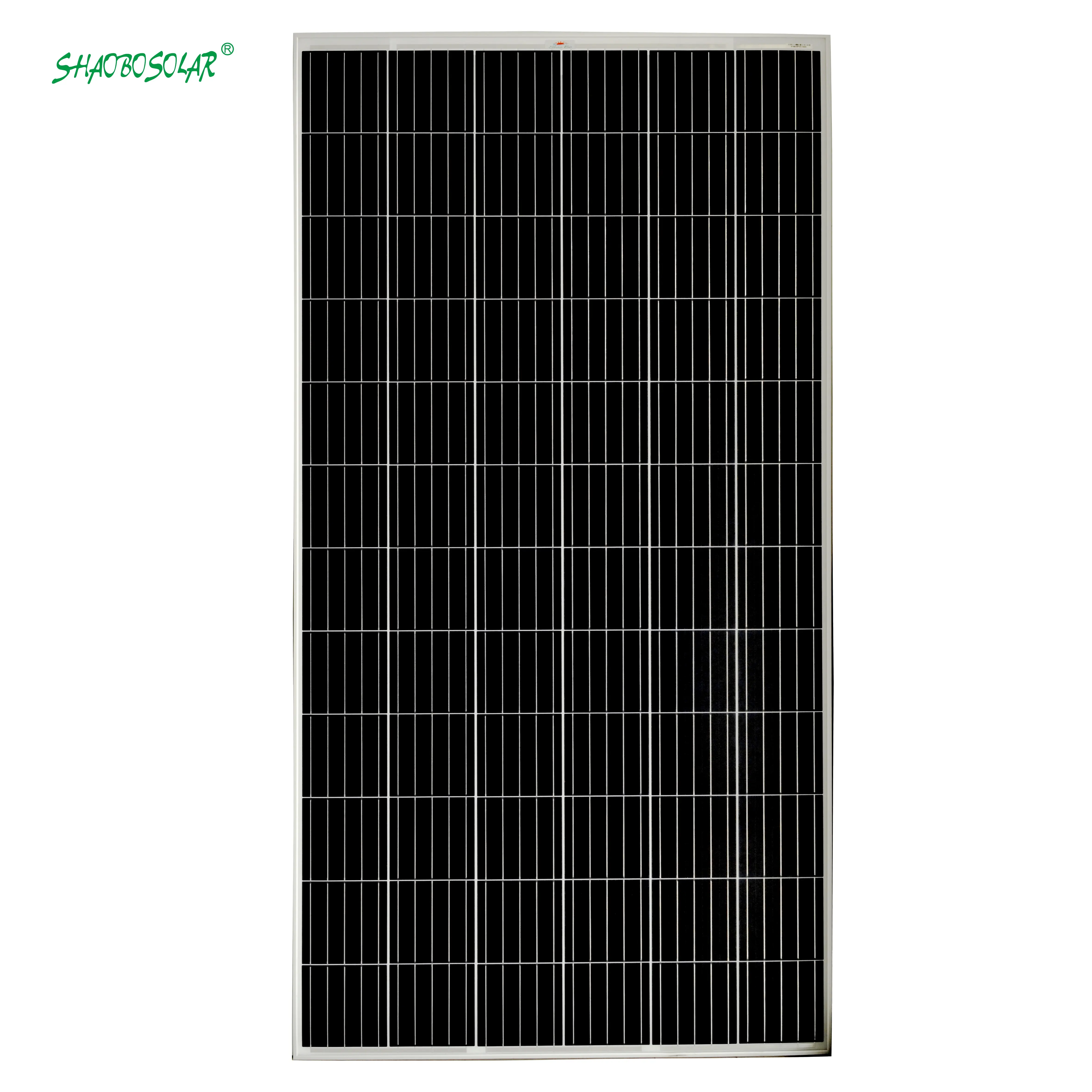
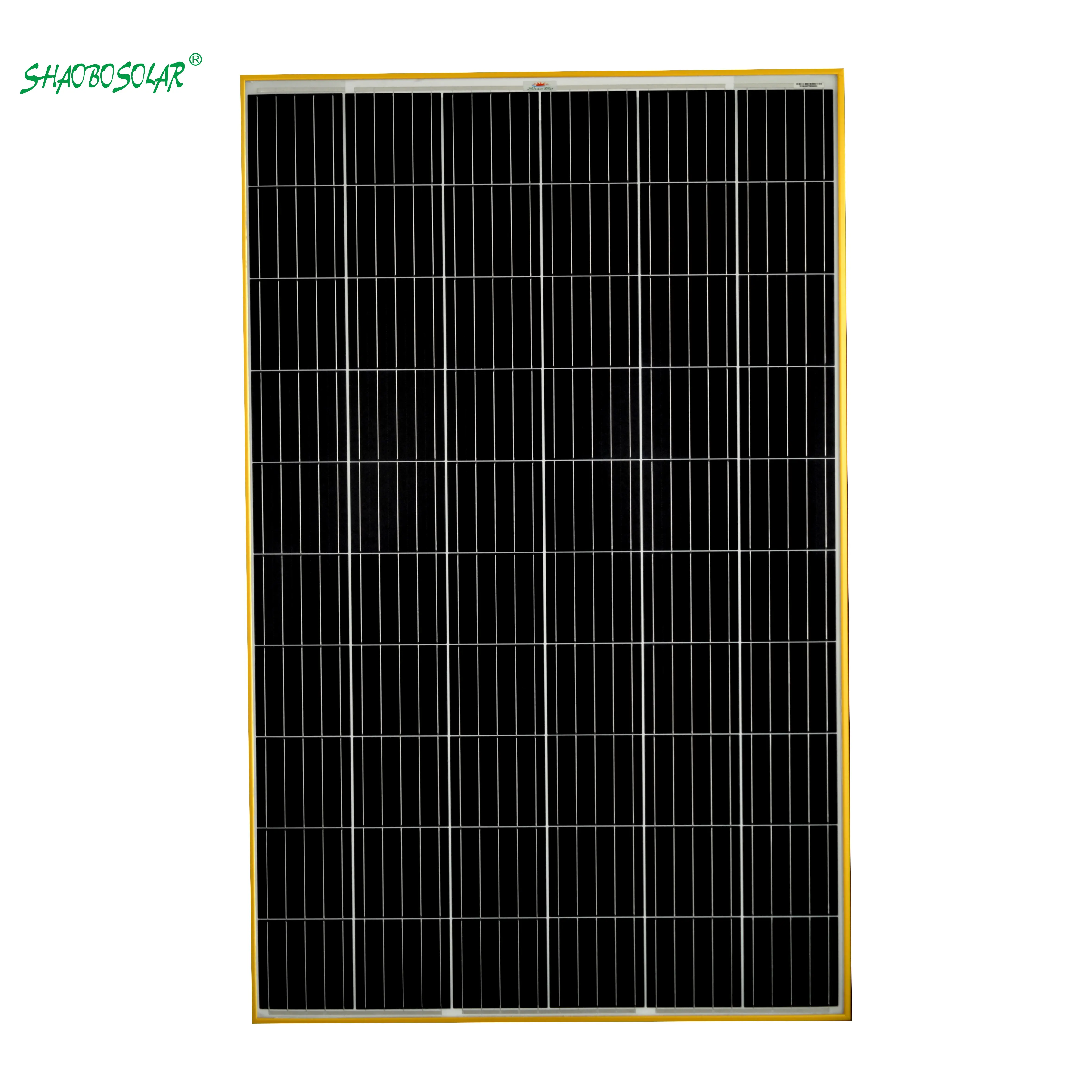
HighEfficiency house solar power system for Yemen’s Energy Independence

HighEfficiency house solar power system for Yemen’s Energy Independence

  • Home
  • Global Service
  • HighEfficiency house solar power system for Yemen’s Energy Independence

High-Efficiency house solar power system for Yemen's Energy Independence

Providing resilient and sustainable power solutions tailored for the unique climatic and infrastructural challenges of the Yemeni landscape.

High-Efficiency house solar power system for Yemen's Energy Independence

Empowering Yemeni households and businesses with advanced photovoltaic technology to overcome grid instability and high electricity costs through reliable solar energy.

Energy Landscape of Yemen: The Shift to Solar Panels

Analyzing the necessity of decentralized power in the Middle East's most sun-rich regions.

Yemen possesses some of the highest solar irradiation levels globally, yet its national power grid has faced severe degradation. This has led to an urgent demand for autonomous energy solutions. The adoption of solar panels has transitioned from a luxury to a fundamental necessity for survival, water pumping, and basic lighting in both urban Sana'a and rural highlands.

The market is currently characterized by a rapid influx of off-grid installations. Because of the extreme heat and dust (calima), there is a growing technical preference for modules that can maintain efficiency at high temperatures, making the choice between different silicon technologies critical for long-term ROI in the Yemeni climate.

Economically, the shift toward solar has reduced the reliance on expensive and volatile diesel imports. By implementing a robust house solar power system, local residents are securing their energy future while lowering their monthly operational expenditures significantly.
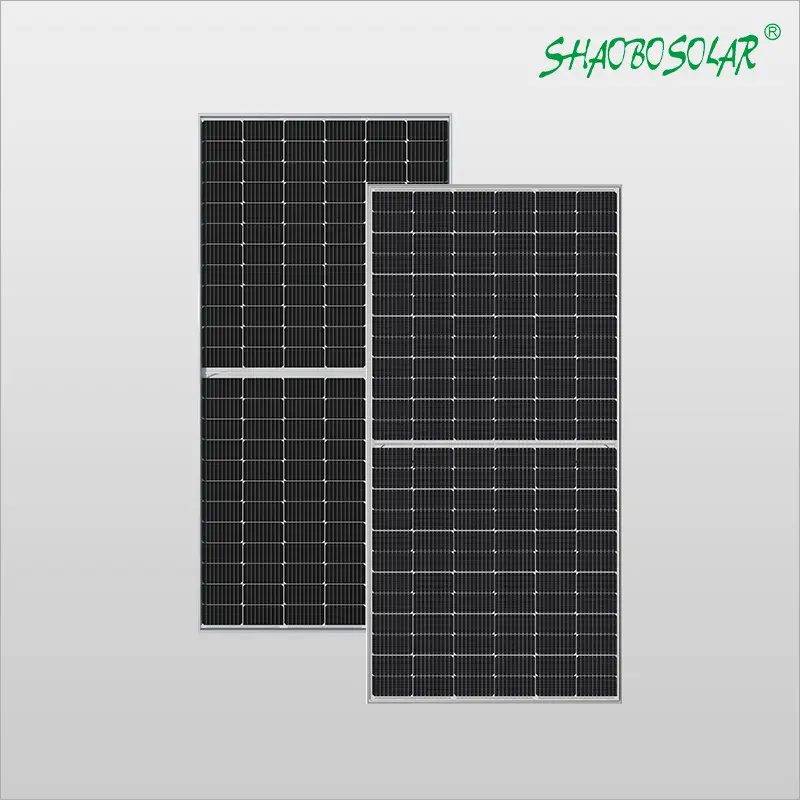
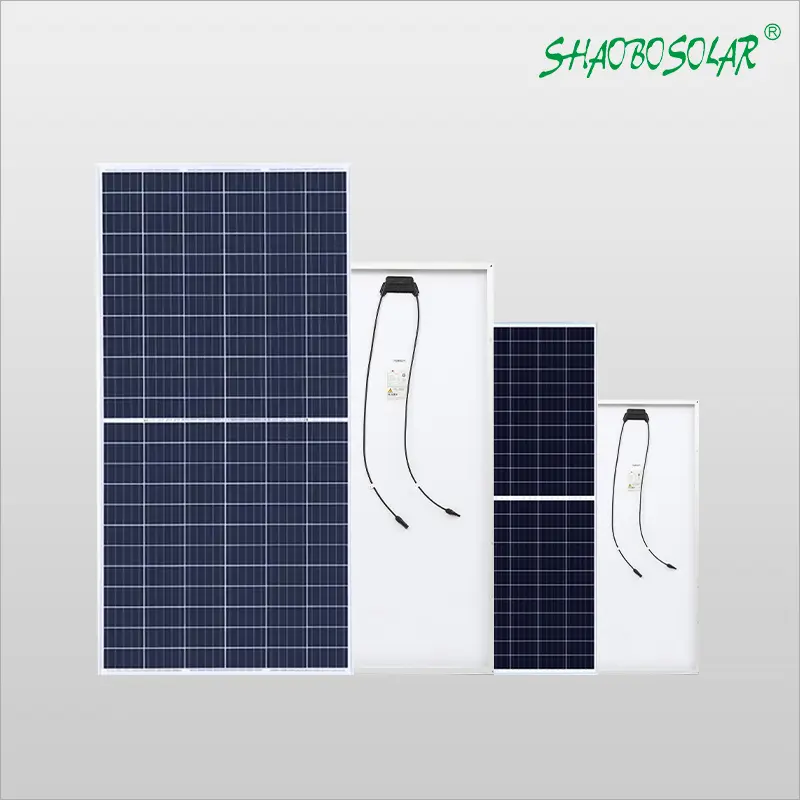
Evolution of Photovoltaic Tech in Yemen

From basic electricity access to high-performance energy harvesting.

Market Development History

In the early 2010s, the Yemeni market was dominated by small-scale, low-efficiency polycrystalline solar panel installations. These were primarily used for simple lighting and mobile charging due to their lower cost, despite their poorer performance in high-temperature environments.

Around 2015-2018, a technical pivot occurred. As energy needs grew to include refrigeration and water pumping, the market shifted toward the mono solar panel. The higher efficiency of monocrystalline silicon allowed users to generate more power from limited roof space, which is essential in densely populated Yemeni cities.

From 2019 to the present, we have seen the rise of PERC and Half-Cut cell technologies. Modern monocrystalline solar panels now offer superior degradation rates and better low-light performance, ensuring that power remains stable even during the dust storms common in the region.

Future Development Trends

TOPCon and HJT Integration

Over the next 3 years, the market will shift toward TOPCon technology to further push efficiency boundaries beyond 22%, maximizing the yield of every square meter in Yemen.

Bifacial Module Adoption

With the sandy terrain of Yemen providing high albedo (reflectivity), bifacial panels will become the standard for ground-mounted agricultural projects to capture reflected light from the soil.

Smart Hybrid Storage

Integration with Lithium Ferro Phosphate (LiFePO4) batteries will replace old lead-acid systems, creating more durable and faster-charging energy ecosystems.

Strategic Trends and Future Outlook

Mapping the trajectory of solar energy expansion in Yemen.

Efficiency Maximization
Transitioning from standard cells to N-type technology to reduce power loss in extreme heat.
Grid-Independent Scaling
Expanding micro-grid capabilities to support community-level energy sharing in remote villages.
Dust-Resistant Coatings
Implementing advanced hydrophobic and anti-soiling glass to maintain output during sandy seasons.
Agrivoltaic Synergy
Combining solar panels with crop production to optimize land use and water conservation.

Industry Outlook

Based on global search trends for "renewable energy in Yemen," there is a significant spike in inquiries regarding long-term durability and high-capacity storage. The future focuses on moving away from fragmented "kit" installations toward engineered systems that guarantee a 25-year lifespan.

We anticipate that within 5 years, the Yemeni market will shift toward integrated energy management software, allowing users to monitor their solar harvest in real-time via mobile apps, further optimizing the use of the house solar power system.

Localized Solar Applications in Yemen

Practical implementations of solar technology across various Yemeni sectors.

01. Residential Power Autonomy

Deploying complete home systems that include high-efficiency modules and battery storage to ensure 24/7 power for lighting, refrigeration, and communication, eliminating dependence on the unstable grid.

02. Agricultural Solar Irrigation

Utilizing large-scale arrays to power water pumps for coffee and qat plantations, significantly reducing the cost of diesel fuel for farmers in the highlands.

03. Healthcare Facility Continuity

Installing critical backup systems in rural clinics to keep vaccines refrigerated and essential medical equipment operational during total blackouts.

04. Commercial Shop Energy

Implementing rooftop solutions for small businesses in markets to power lighting and POS systems, ensuring business continuity without expensive generators.

05. Remote Telecommunications Power

Powering cellular towers and internet relay stations in mountainous regions using ruggedized solar arrays to keep the country connected.

Brand Story

Global Development Journey of Hebei Shaobo Solar Technology Co., Ltd.

Founding Vision

Established with a commitment to democratization of energy, we focused on creating industrial-grade solar components that remain affordable for developing markets.

Technical Breakthrough

We mastered the precision manufacturing of high-purity silicon wafers, enabling our modules to withstand extreme thermal cycling common in desert regions.

Market Expansion

Recognizing the energy crisis in the Middle East, we optimized our logistics and product durability specifically for the Yemen and GCC markets.

Quality Certification

Attaining global IEC and TUV certifications to ensure that every panel leaving our factory meets the highest safety and efficiency standards.

Sustainable Future

Our current mission is to provide zero-carbon energy infrastructure to 1 million homes globally, solving the pain point of energy poverty.

Comprehensive Solar Product Portfolio for Yemen

High-performance equipment engineered for the Middle Eastern climate.

Yemen Solar Energy FAQ

Expert answers to common technical and commercial queries.

Which is better for Yemen: monocrystalline solar panels or polycrystalline?

For the Yemeni climate, monocrystalline solar panels are superior. They have a lower temperature coefficient, meaning they lose less efficiency as the temperature rises compared to polycrystalline options.

How many panels do I need for a standard house solar power system?

The number of panels depends on your daily kWh consumption. Typically, a medium Yemeni household requires 4-8 high-wattage panels combined with a hybrid inverter and lithium storage.

How do I maintain mono solar panel efficiency during dust storms?

Regular dry cleaning with a soft brush followed by a damp wipe is recommended. Using a mono solar panel with anti-reflective and hydrophobic coating helps reduce dust adhesion.

Are polycrystalline solar panel systems still viable for water pumping?

Yes, they are viable for budget-constrained projects where space is abundant. However, the overall system cost may be higher due to the need for more panels to achieve the same wattage.

What is the average lifespan of solar panels in desert regions?

High-quality Tier 1 panels typically have a linear power warranty of 25 years. In desert regions, ensuring proper ventilation under the panels is key to preventing heat-induced degradation.

Can I integrate new panels into my existing house solar power system?

Yes, provided the new panels have similar voltage and current characteristics. We recommend using a compatible MPPT charge controller to maximize the efficiency of the expanded array.

Ready to Power Your Future?

Contact our engineering team today for a customized solar design tailored for Yemen.

Contact Us Now

If you are interested in our products, you can choose to leave your information here, and we will be in touch with you shortly.