
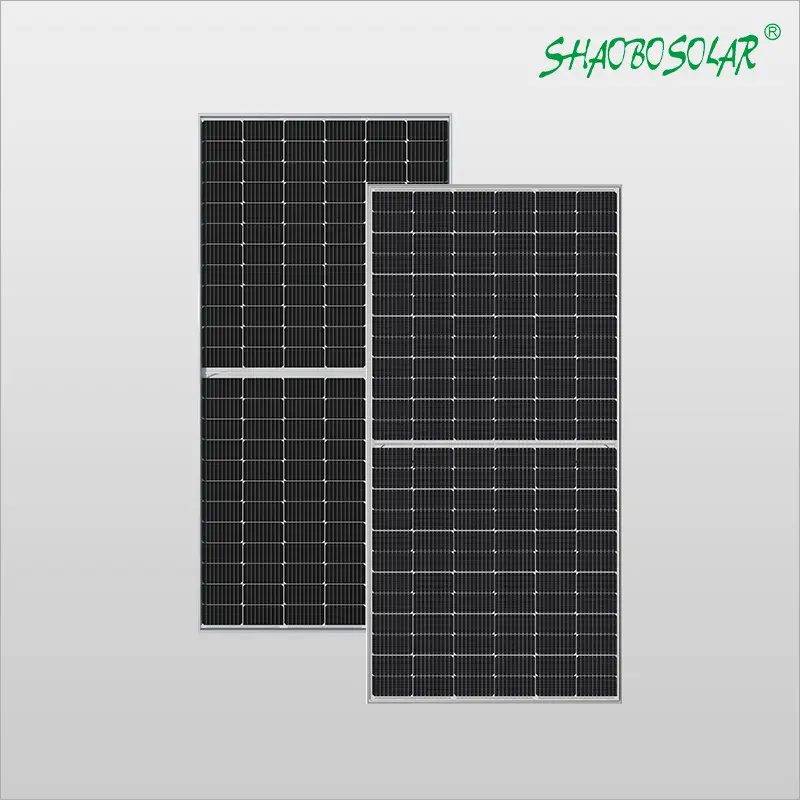
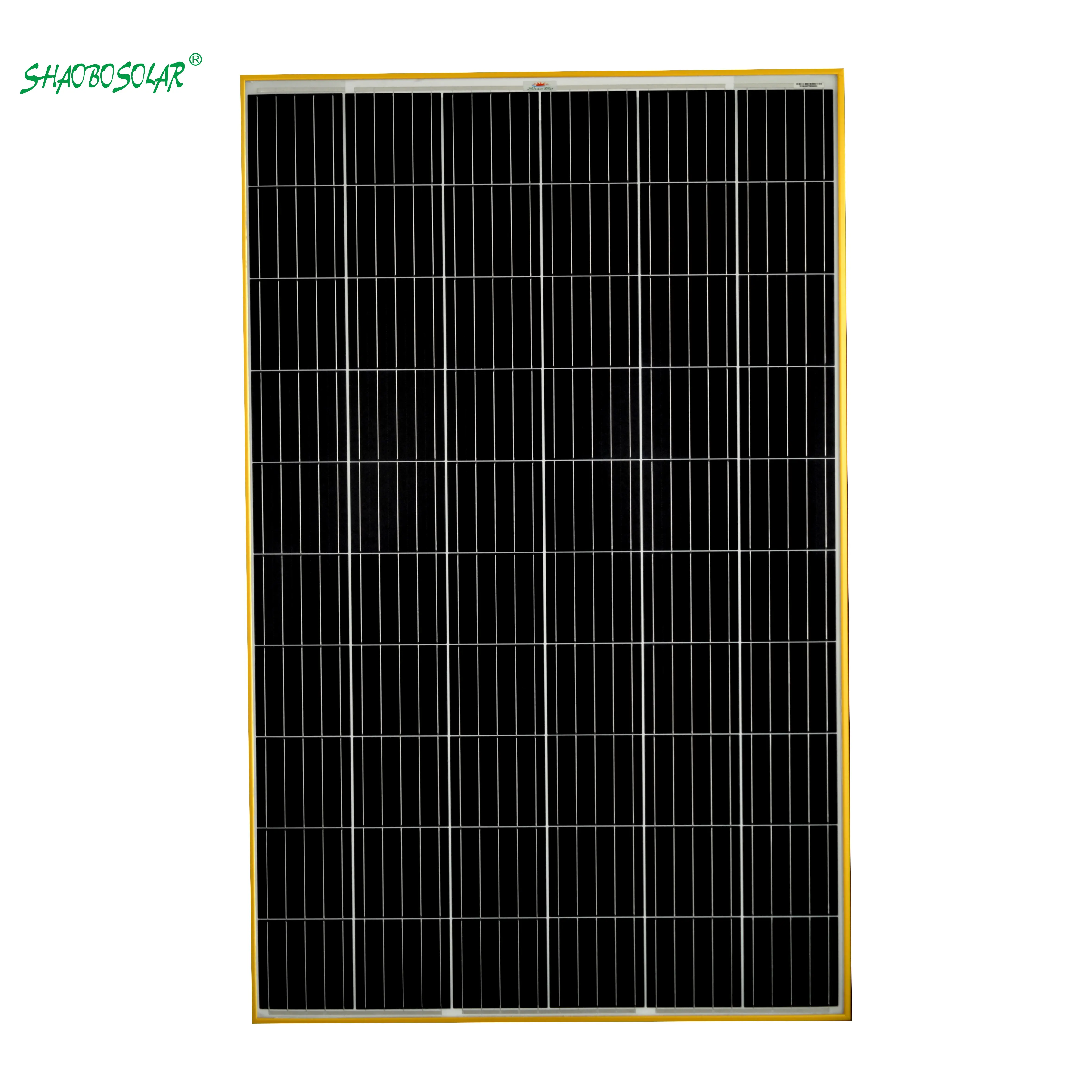
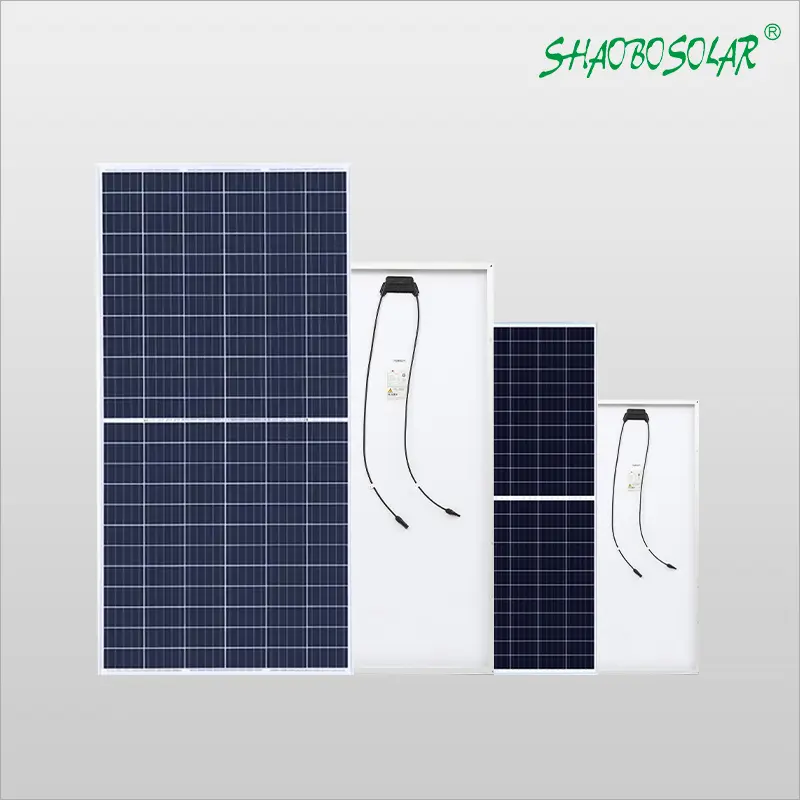
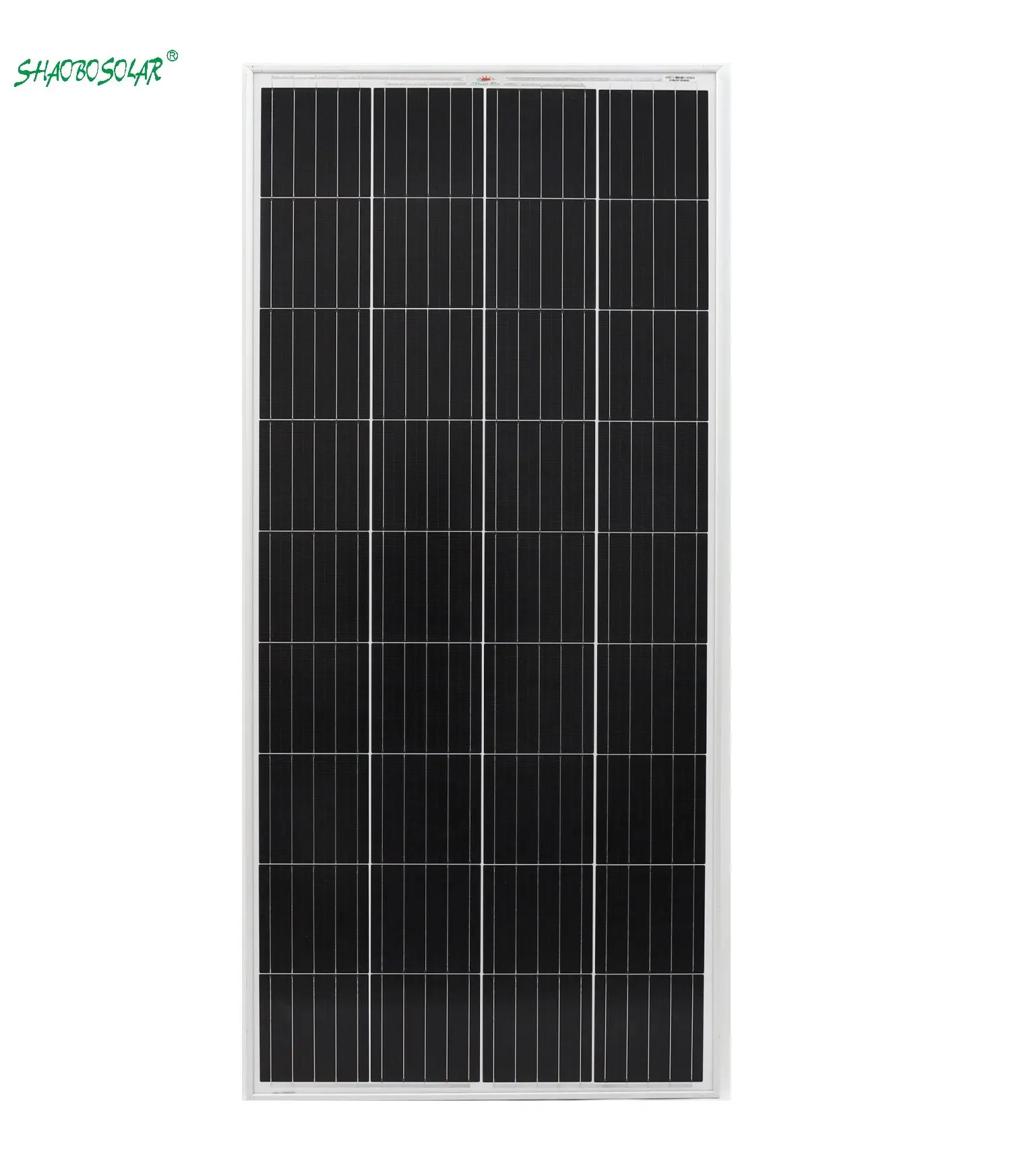
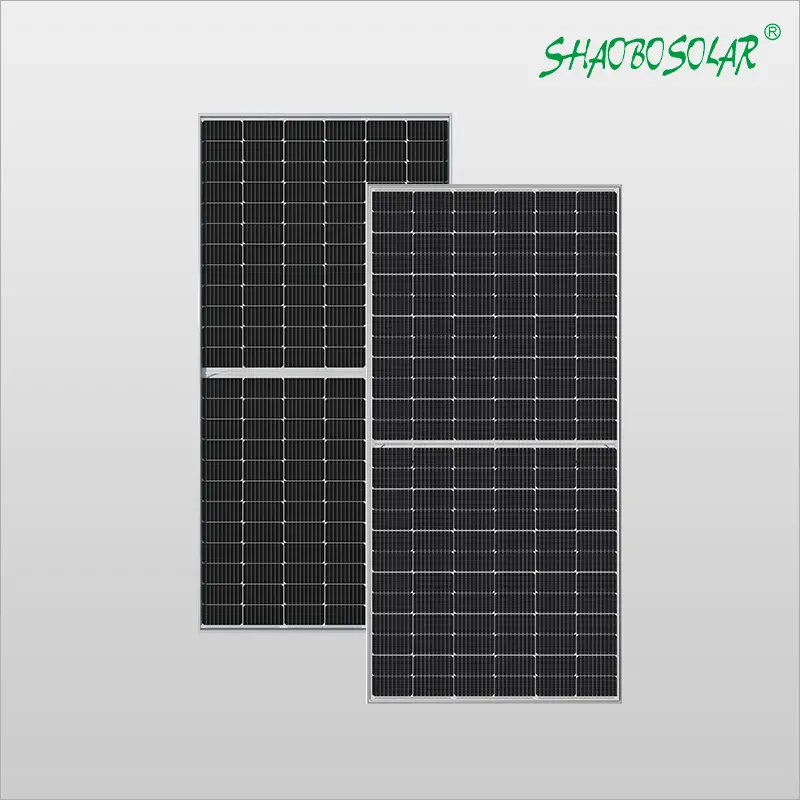
HighEfficiency monocrystalline solar panels for Saudi Arabia

HighEfficiency monocrystalline solar panels for Saudi Arabia

High-Efficiency monocrystalline solar panels for Saudi Arabia

Empowering the Kingdom's Vision 2030 with cutting-edge photovoltaic technology designed for extreme desert climates.

High-Efficiency monocrystalline solar panels for Saudi Arabia

We provide industrial-grade solar energy solutions tailored to the high-irradiation and high-temperature environments of the Arabian Peninsula, ensuring maximum energy yield.

Solar Energy Landscape in Saudi Arabia

Analyzing the integration of photovoltaic systems in the Middle East's most ambitious economy.

Saudi Arabia possesses some of the highest solar irradiance levels globally. However, the deployment of solar panels faces unique challenges, including extreme heat and high dust accumulation (soiling), which can significantly degrade efficiency if not managed with specialized coatings.

The market is currently shifting from large-scale utility plants to distributed generation. We are seeing a surge in demand for the house solar power system as residential users seek energy independence and lower electricity bills in urban centers like Riyadh and Jeddah.

Economically, the government's drive to diversify away from oil has created a fertile ground for the manufacturing and installation of mono solar panel technology, which outperforms traditional options in the region's intense sunlight.
Evolution of PV Technology in the Gulf

From early experimental arrays to ultra-high efficiency monocrystalline modules.

Market Development History

Between 2010 and 2015, the market was dominated by polycrystalline solar panel installations. These were cost-effective but struggled with efficiency losses during the peak Saudi summer temperatures.

From 2016 to 2020, the industry saw a rapid transition toward PERC (Passivated Emitter and Rear Cell) technology. This era marked the rise of the mono solar panel, offering significantly higher conversion rates and better performance in low-light conditions.

Since 2021, the focus has shifted toward N-type TOPCon and HJT technologies, which minimize LID (Light Induced Degradation) and provide a lower temperature coefficient, essential for the Saudi climate.

Future Development Trends

Bifacial Module Dominance

The trend is moving toward bifacial panels that capture sunlight from both sides, utilizing the high albedo of desert sands to increase energy output by up to 25%.

Integrated Storage Solutions

The integration of LiFePO4 batteries with the house solar power system is becoming standard to ensure 24/7 power availability.

AI-Driven O&M

Implementation of robotic dry-cleaning systems and AI monitoring to combat dust accumulation without consuming scarce water resources.

Industry Trends and Future Outlook

Strategic foresight into the Saudi Arabian photovoltaic sector.

N-Type TOPCon Adoption
Rapid transition to N-type cells to achieve efficiencies exceeding 22.5% in high-heat regions.
Smart Grid Integration
Connecting residential systems to the national grid for bidirectional energy trading.
Anti-Soiling Coatings
Deployment of hydrophobic nano-coatings to reduce dust adhesion in the Neom and Red Sea regions.
Utility-Scale Storage
Scaling up BESS (Battery Energy Storage Systems) to stabilize the national grid.

Industry Outlook

Google search trends indicate a growing interest in "sustainable housing" and "off-grid energy" within Saudi Arabia, suggesting a shift towards personalized energy infrastructure. The next 3-5 years will see a convergence of PV and Hydrogen production (Green Hydrogen), positioning the Kingdom as a global energy hub.

We anticipate a steep decline in the use of low-efficiency modules, with monocrystalline solar panels becoming the absolute baseline for all new installations due to their superior land-use efficiency.

Localized Solar Applications in Saudi Arabia

Practical deployments of photovoltaic systems across diverse Saudi terrains.

01. Urban Residential Rooftops

Implementing a comprehensive house solar power system in Riyadh to combat high summer cooling costs and reduce reliance on the public grid.

02. Remote Desert Agricultural Hubs

Using solar panels to power solar-powered irrigation and desalination plants in the Al-Ahsa Oasis, ensuring food security.

03. Industrial Warehousing in Jeddah

Installing large-scale arrays of monocrystalline solar panels on warehouse roofs to power cold-chain logistics and refrigeration.

04. Off-Grid Telecom Towers

Replacing diesel generators with a combination of mono solar panel arrays and battery storage for communication infrastructure in remote desert areas.

05. Government Infrastructure (Vision 2030)

Integrating high-efficiency PV cells into the architectural design of new "smart cities" like NEOM to achieve zero-carbon urban living.

Brand Story

Global Development History of Hebei Shaobo Photovoltaic Technology Co., Ltd.

Foundational Innovation

Established with a mission to solve the efficiency bottleneck in early silicon cells, focusing on purity and crystal stability.

Global Expansion

Expanded our reach to the Middle East, adapting our manufacturing processes to meet the rigorous heat-resistance standards of the Gulf.

R&D Breakthroughs

Perfected the N-type cell architecture, significantly reducing degradation rates for clients in extreme climates.

Strategic Partnerships

Collaborating with global EPC firms to deliver utility-scale projects that align with sustainable development goals.

Future Vision

Striving to lead the transition toward 100% renewable energy through continuous innovation in perovskite-silicon tandems.

Comprehensive PV Product Portfolio for Saudi Arabia

From residential kits to industrial-grade modules, engineered for the Arabian desert.

Saudi Arabia Solar Energy FAQ

Answers to common technical and commercial queries for the local market.

Which is better for the Saudi climate: monocrystalline or polycrystalline solar panels?

Monocrystalline panels are highly recommended for Saudi Arabia because they have a lower temperature coefficient, meaning they lose less efficiency as the ambient temperature rises compared to polycrystalline options.

How does dust affect a house solar power system in Riyadh?

Dust accumulation can create a "shading" effect, reducing energy output by 10-30%. We recommend using anti-soiling coatings and a scheduled dry-cleaning regimen to maintain peak performance.

What is the typical lifespan of a mono solar panel in desert conditions?

With proper installation and maintenance, high-quality mono panels typically last 25-30 years, with a linear power degradation rate of less than 0.5% per year.

Can solar panels handle the extreme heat of the Eastern Province?

Yes, our modules are specifically tested for thermal stability. By utilizing advanced encapsulation materials, we prevent delamination and PID (Potential Induced Degradation) even in 50°C+ weather.

Is a hybrid house solar power system necessary in Saudi Arabia?

A hybrid system combining panels and batteries is ideal for ensuring stability during peak demand hours and providing backup power during rare but impactful grid outages.

What certifications should I look for in solar panels for the Middle East?

Ensure the panels have IEC 61215 and IEC 61730 certifications, and ideally, a specific certification for salt-mist and ammonia resistance if the installation is near the Red Sea or Persian Gulf coasts.

Ready to Transition to Clean Energy?

Contact our technical engineering team today for a customized photovoltaic consultation tailored to your specific site in Saudi Arabia.

Contact Us Now

If you are interested in our products, you can choose to leave your information here, and we will be in touch with you shortly.