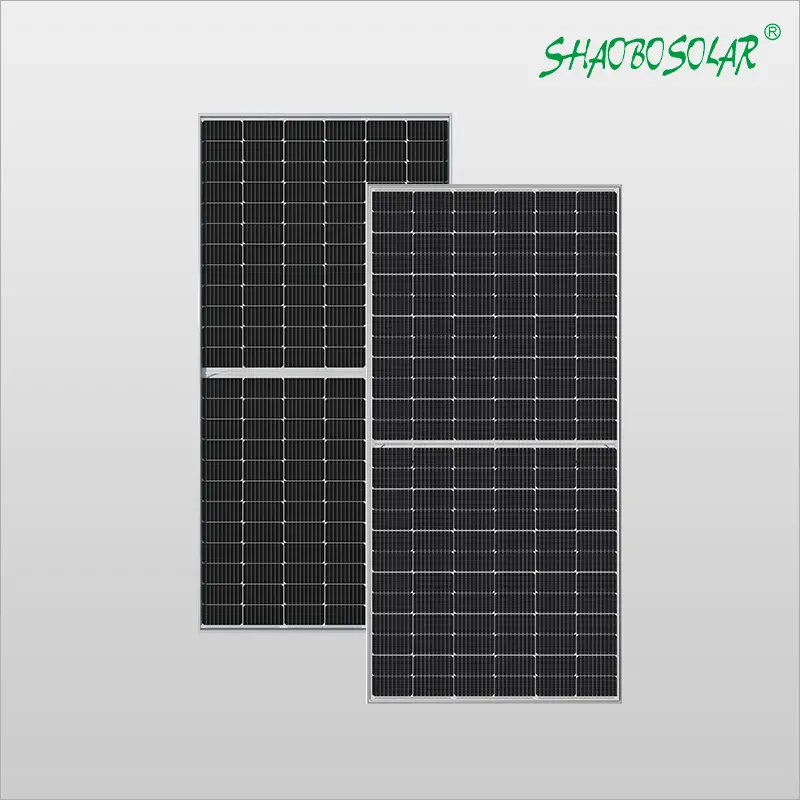
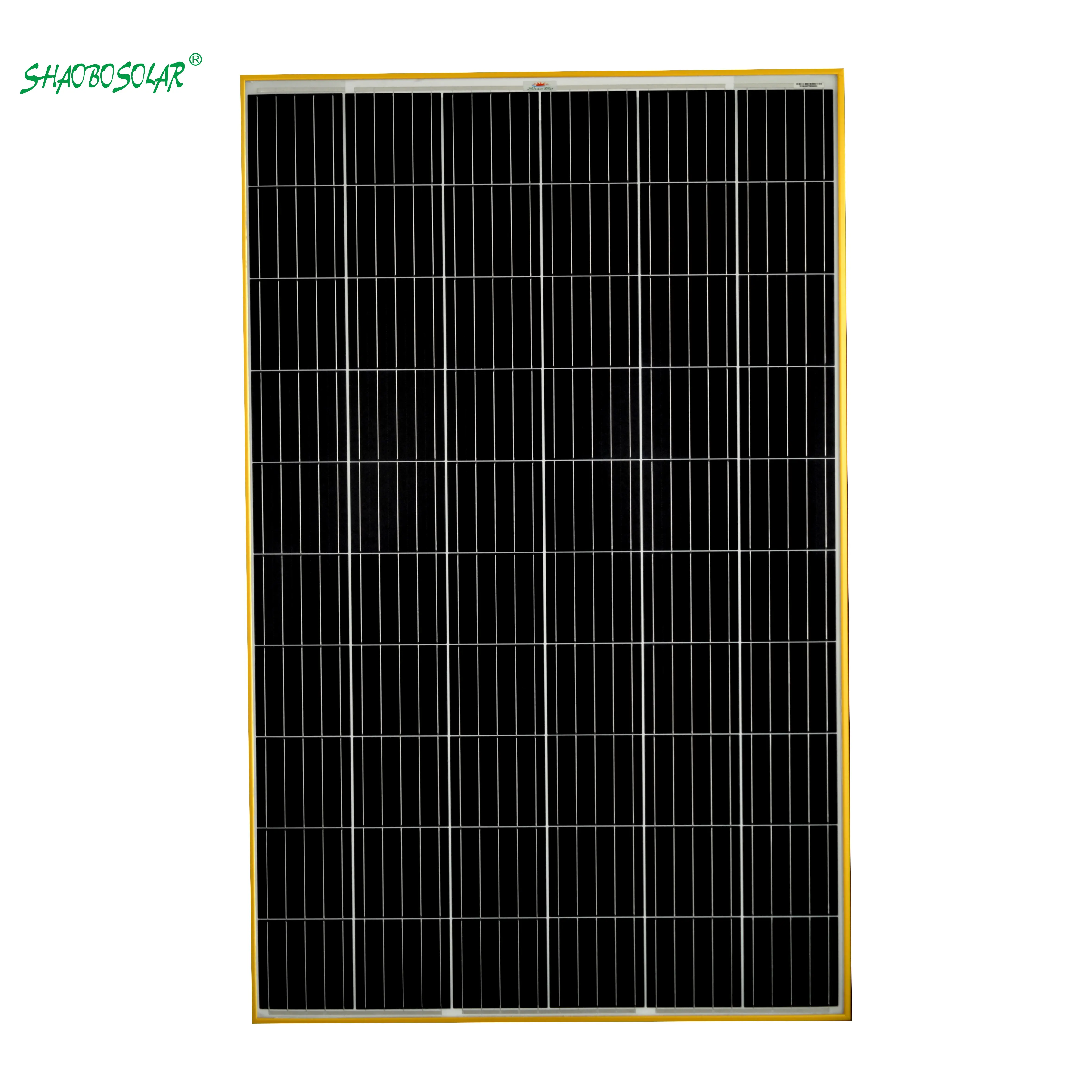
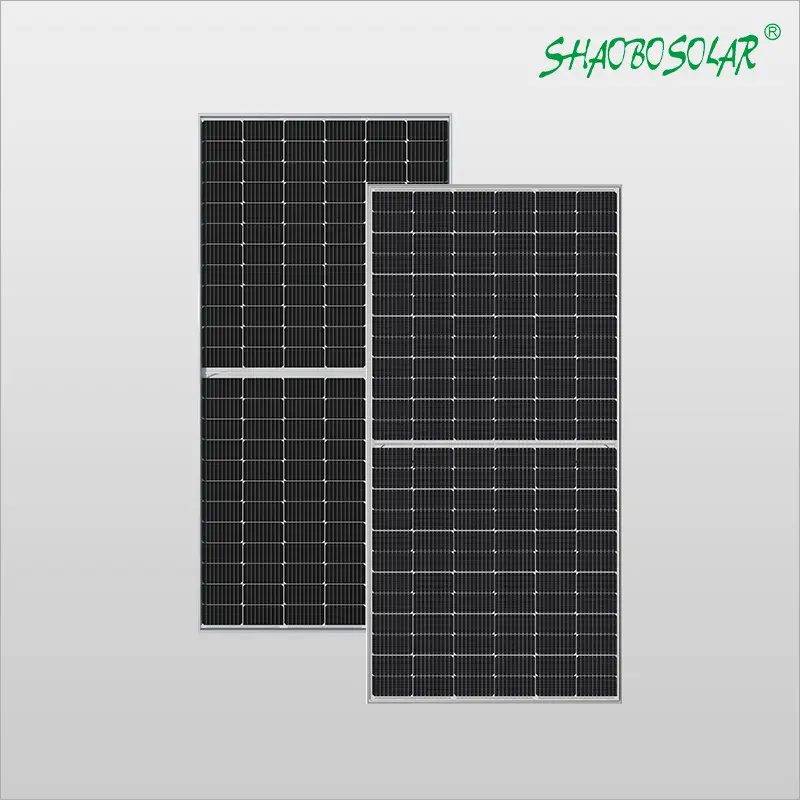
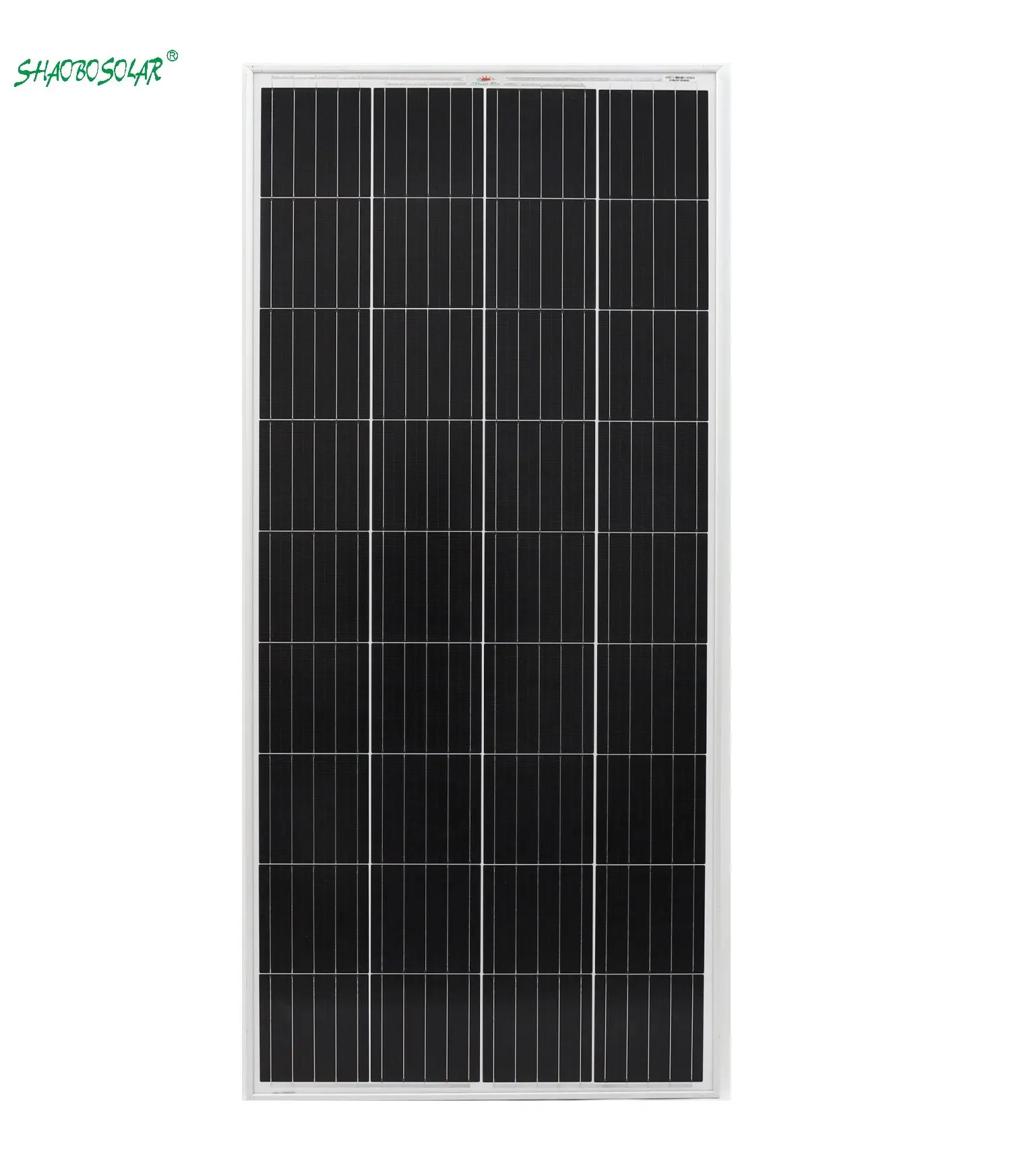
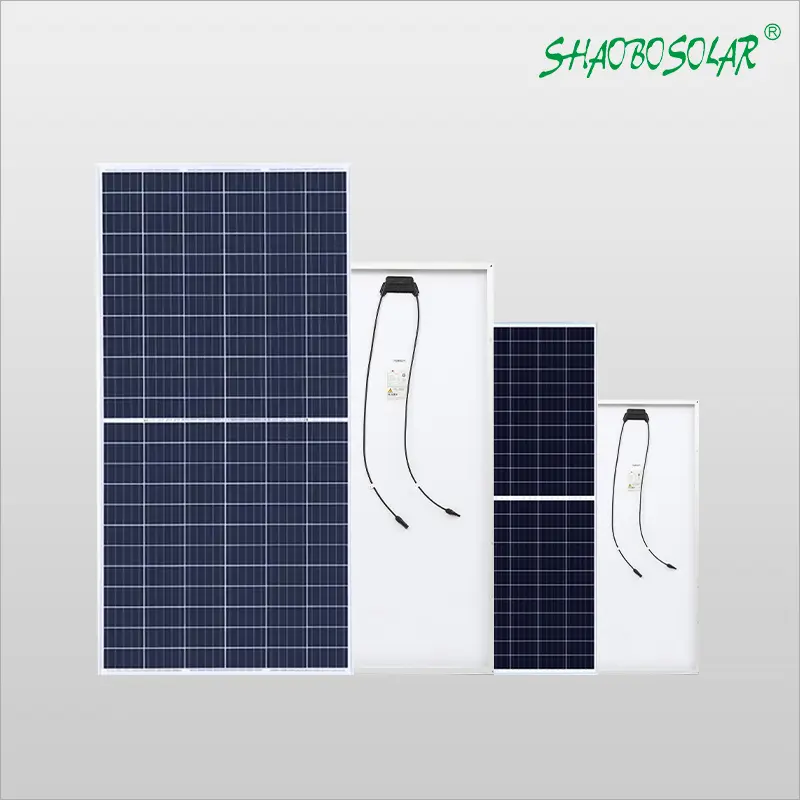
Advanced house solar power system Solutions for Iran

Advanced house solar power system Solutions for Iran

Advanced house solar power system Solutions for Iran

Empowering Iranian households and industries with high-efficiency photovoltaic technology tailored for the Middle East's intense solar irradiance.

Advanced house solar power system Solutions for Iran

We provide integrated solar energy ecosystems designed to withstand extreme heat while delivering maximum power output for residential and commercial applications in Iran.

The Current State of Solar Adoption in Iran

Analyzing the intersection of geographic advantage and energy demands in the Iranian market.

Iran possesses one of the highest solar energy potentials globally, with over 300 sunny days per year. However, the adoption of solar panels has historically been hindered by economic sanctions and a heavy reliance on fossil fuels, leading to a market that is now rapidly pivoting toward renewable independence.

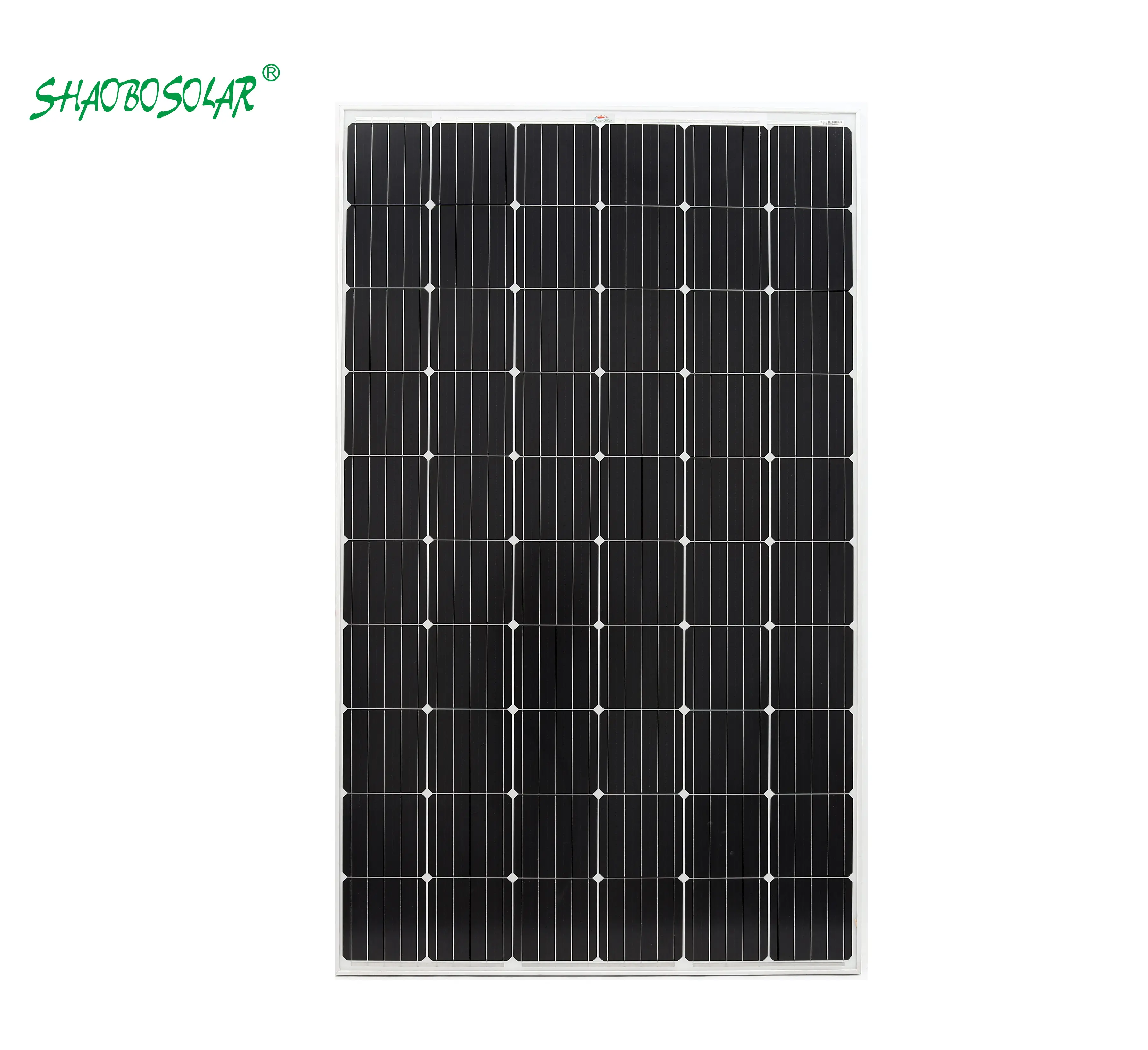
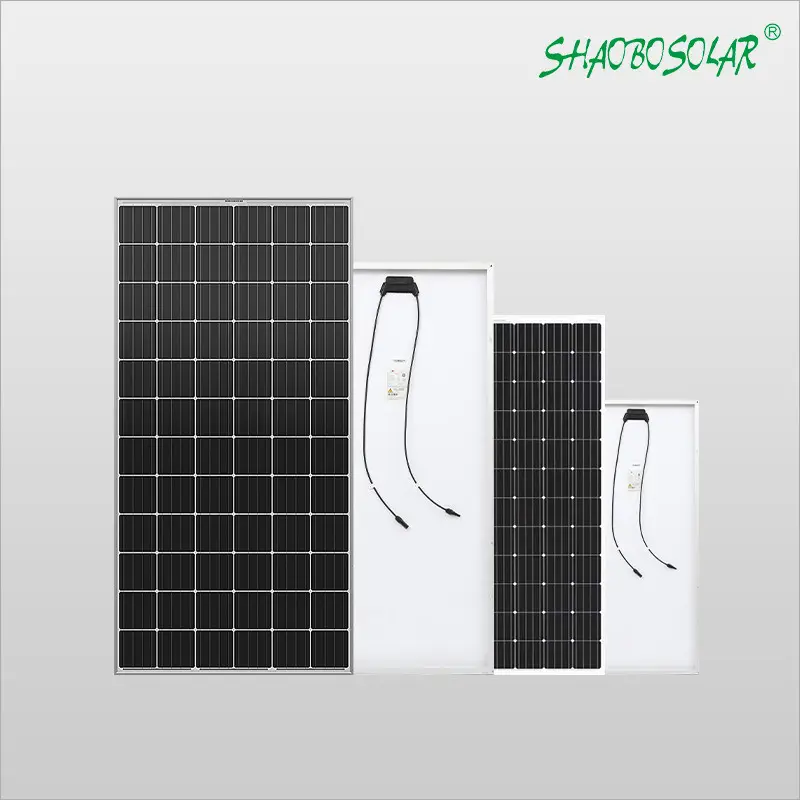
Currently, the market is seeing a massive surge in demand for monocrystalline solar panels due to their superior efficiency in limited roof spaces. Iranian consumers are increasingly prioritizing high-wattage modules that can maintain stability during the scorching summer peaks of the plateau regions.

Despite the growth, there is a significant gap in the availability of high-grade mono solar panel technology that is specifically optimized for high-temperature coefficients, creating a lucrative opportunity for specialized manufacturers to introduce durable, heat-resistant components.
Technological Evolution and Market Trajectory

From basic photovoltaic cells to intelligent energy management systems.

Market Development History

In the early 2010s, the Iranian market was dominated by basic polycrystalline solar panel installations, which were chosen primarily for their lower initial cost despite lower efficiency and poorer performance in high heat.

Between 2015 and 2020, a technical shift occurred as PERC (Passivated Emitter and Rear Cell) technology became accessible, allowing for a transition toward more efficient monocrystalline options that could handle the diverse climate of the Iranian highlands.

From 2021 to the present, the focus has shifted toward "System Integration," where the emphasis is no longer just on the panel, but on the entire house solar power system including hybrid inverters and lithium-storage solutions to combat grid instability.

Future Development Trends

N-Type TopCon Dominance

We predict a rapid migration toward N-type cells which offer lower degradation rates and better performance in the high-UV environments typical of the Middle East.

Bifacial Module Integration

Utilizing the high albedo of sandy terrains in southern Iran, bifacial modules will become the standard for utility-scale projects to increase energy yield by up to 25%.

Smart Grid Synchronization

Integration of AI-driven energy management to optimize the consumption of stored solar power during peak tariff hours in urban centers like Tehran.

Industry Trends and Future Outlook

Strategic forecasting for the solar manufacturing sector in Iran.

High-Temperature Efficiency
Developing cells with lower temperature coefficients to ensure power output remains stable at 45°C+.
Hybrid Storage Systems
Combination of LiFePO4 batteries with solar arrays to provide 24/7 energy security.
Sand-Resistant Coating
Implementation of nano-coatings to reduce dust accumulation (soiling) in arid regions.
Agricultural Integration
Agrivoltaics allowing solar power generation and crop cultivation on the same land.

Industry Outlook

Based on Google search trend logic, there is a growing volume of queries regarding "energy independence" and "solar cost per watt" in the region. This suggests a shift from government-led projects to consumer-driven demand for localized power plants.

Over the next 3-5 years, we expect the Iranian solar market to integrate more deeply with IoT, where real-time monitoring of panel health will become a standard requirement for warranties and insurance.

Localized Solar Application Scenarios in Iran

Real-world implementation of photovoltaic systems across diverse Iranian environments.

01. Residential Rooftops in Tehran

Utilizing high-efficiency monocrystalline solar panels to maximize power generation in densely populated urban areas with limited roof space.

02. Agricultural Pumping in Kerman

Deploying large-scale arrays to power irrigation systems, replacing expensive and polluting diesel generators in the arid southern provinces.

03. Off-grid Desert Cabins

Implementing a complete house solar power system with deep-cycle battery storage for remote dwellings far from the national grid.

04. Industrial Warehouses in Tabriz

Installing vast arrays of solar panels on industrial rooftops to reduce operational electricity costs for manufacturing plants.

05. Remote Telecommunication Towers

Using ruggedized mono solar panel configurations to ensure uninterrupted power for communication infrastructure in the Zagros mountains.

Brand Story

Global Development History of Hebei Shaobo Photovoltaic Technology Co., Ltd.

Foundational Innovation

Established with a mission to solve the efficiency gap in solar cell manufacturing, focusing on high-purity silicon processing.

Quality Standardization

Achieved international certifications (TUV/CE), ensuring that every panel meets the rigorous demands of extreme global climates.

Global Market Expansion

Strategically entered the Middle Eastern market, optimizing products for the specific thermal and dust challenges of regions like Iran.

Technological Leap

Pioneered the integration of smart monitoring within residential solar kits to reduce maintenance costs for end-users.

Sustainable Future Vision

Committed to providing the most affordable, high-performance solar solutions to accelerate the global transition to net-zero emissions.

Common Questions About Solar Energy in Iran

Expert answers to the most frequent queries from our Iranian partners.

Which is better for the Iranian climate, monocrystalline or polycrystalline solar panels?

Monocrystalline panels are generally superior for Iran because they have a lower temperature coefficient, meaning they lose less efficiency as the temperature rises compared to polycrystalline options.

How does dust affect the output of a house solar power system in desert regions?

Dust accumulation can reduce output by 10-30%. We recommend a bi-weekly cleaning schedule and the use of hydrophobic coatings to minimize soiling losses.

Can a mono solar panel be used for water pumping in rural Iran?

Yes, they are ideal. Their high efficiency allows for smaller array footprints, which reduces the cost of mounting structures while providing ample power for pumps.

What is the average lifespan of solar panels installed in high-UV areas?

Most tier-1 panels are warrantied for 25 years. With proper installation and ventilation to prevent overheating, they maintain over 80% of their original power throughout this period.

Are hybrid inverters necessary for a residential solar setup in Tehran?

Highly recommended. Hybrid inverters allow you to store excess energy in batteries, providing a critical backup during grid fluctuations and load shedding.

How to choose the right wattage for an Iranian household system?

Analysis of your monthly kWh consumption is key. Typically, a 5kW to 10kW system is sufficient for medium-sized homes to achieve significant energy autonomy.

Ready to Transition to Clean Energy?

Our engineers are ready to design the perfect solar solution for your specific needs in Iran. Get a professional consultation today.

Contact Us Now

If you are interested in our products, you can choose to leave your information here, and we will be in touch with you shortly.