
HighEfficiency mono solar panel Solutions for Indonesia

HighEfficiency mono solar panel Solutions for Indonesia

High-Efficiency mono solar panel Solutions for Indonesia

Empowering the Indonesian archipelago with sustainable energy through advanced photovoltaic technology tailored for tropical climates.

High-Efficiency mono solar panel Solutions for Indonesia

Providing cutting-edge solar energy components to drive Indonesia's transition toward green power, optimizing energy yield in high-humidity environments.

Solar Energy Landscape in Indonesia

Analyzing the adoption of photovoltaic systems across the Indonesian archipelago.

Indonesia possesses immense solar potential due to its equatorial position. However, the widespread deployment of solar panels faces unique challenges, including high humidity, heavy rainfall, and the logistical complexity of distributing equipment across thousands of islands.

Currently, there is a significant shift toward decentralized power. Many remote regions are bypassing traditional grid infrastructure in favor of a standalone house solar power system, which provides reliable electricity to rural villages (Desa) and reduces reliance on expensive diesel generators.

The market is evolving from basic energy access to high-efficiency demands. Industrial zones in Java and Sumatra are increasingly upgrading to high-wattage modules to maximize limited roof space while combating the efficiency drops caused by the tropical heat index.
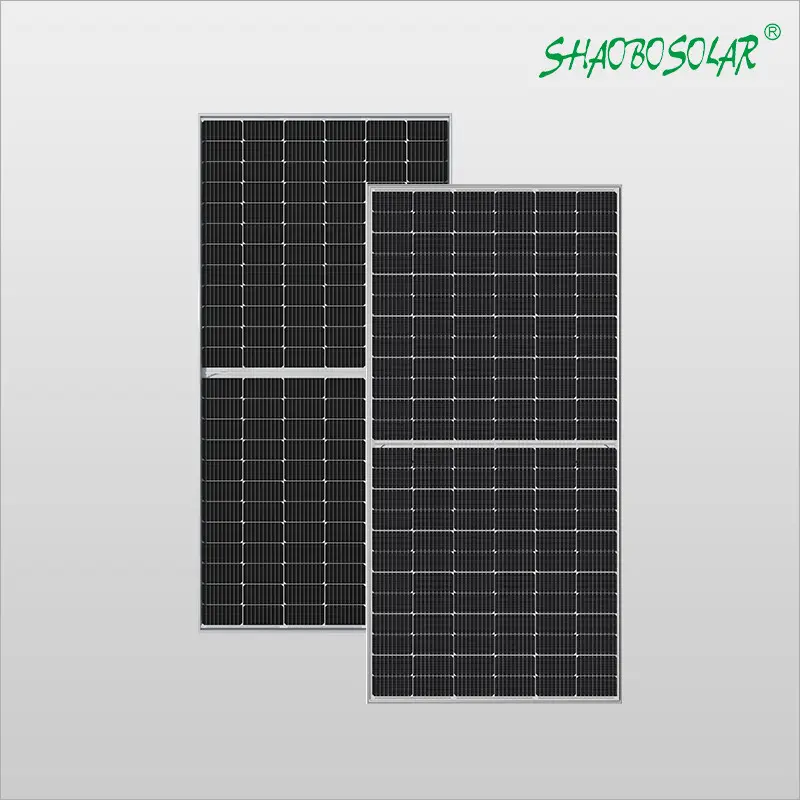
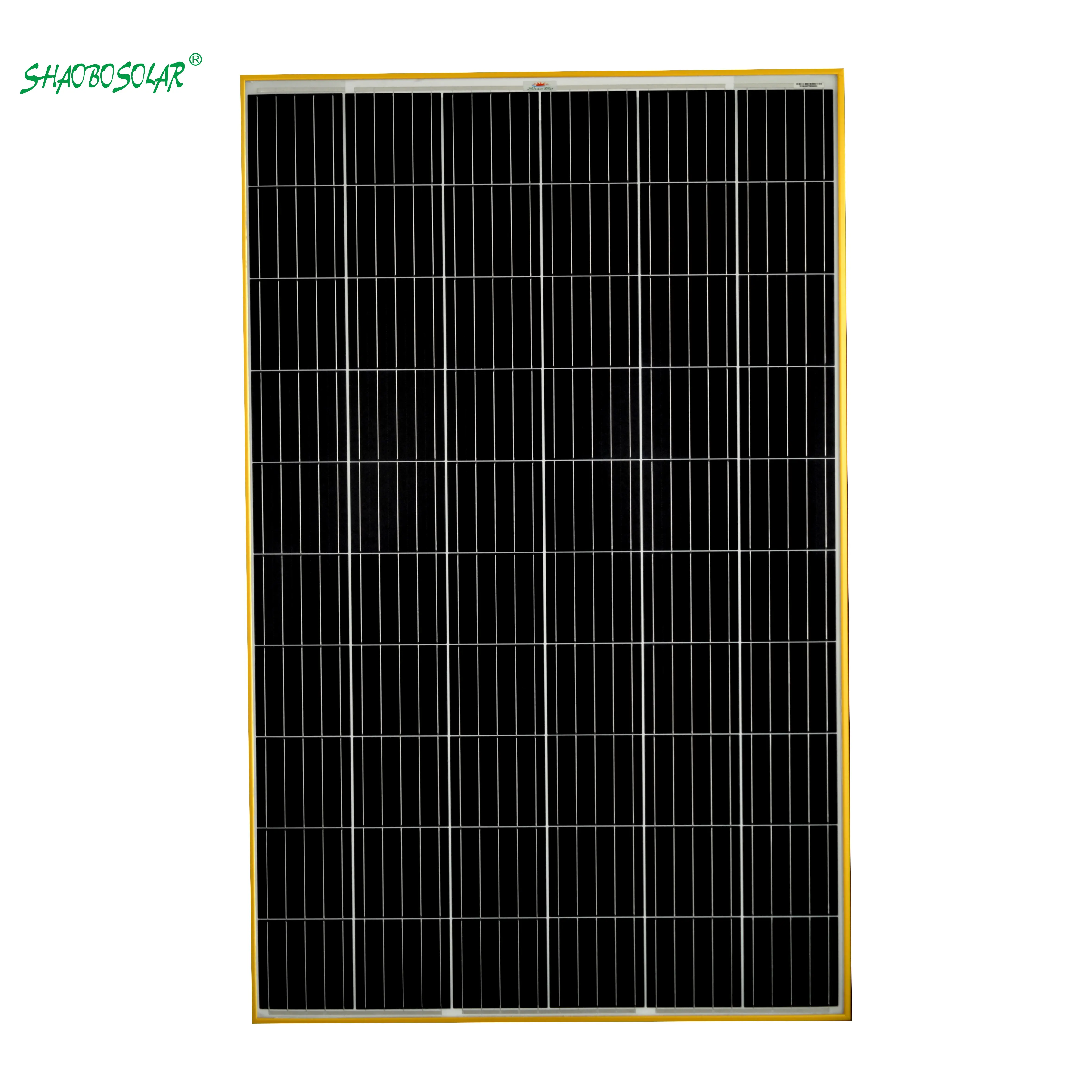
Evolution and Trajectory of PV Technology

From early polycrystalline adoption to the era of high-efficiency monocrystalline dominance.

Market Development History

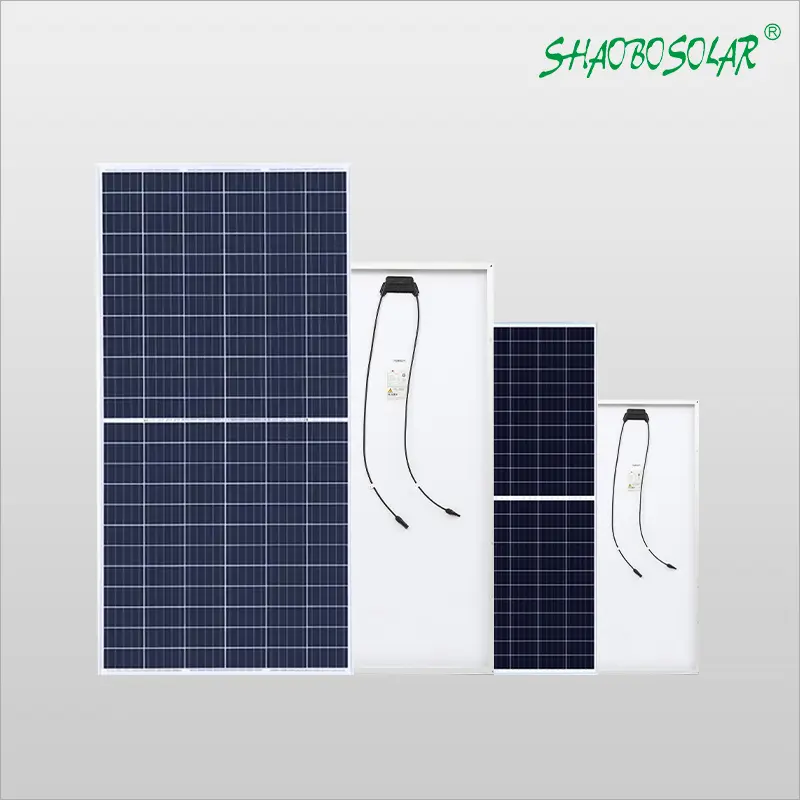
Between 2010 and 2015, the Indonesian market was dominated by polycrystalline solar panel options due to their lower production costs and accessibility for government-led rural electrification projects.

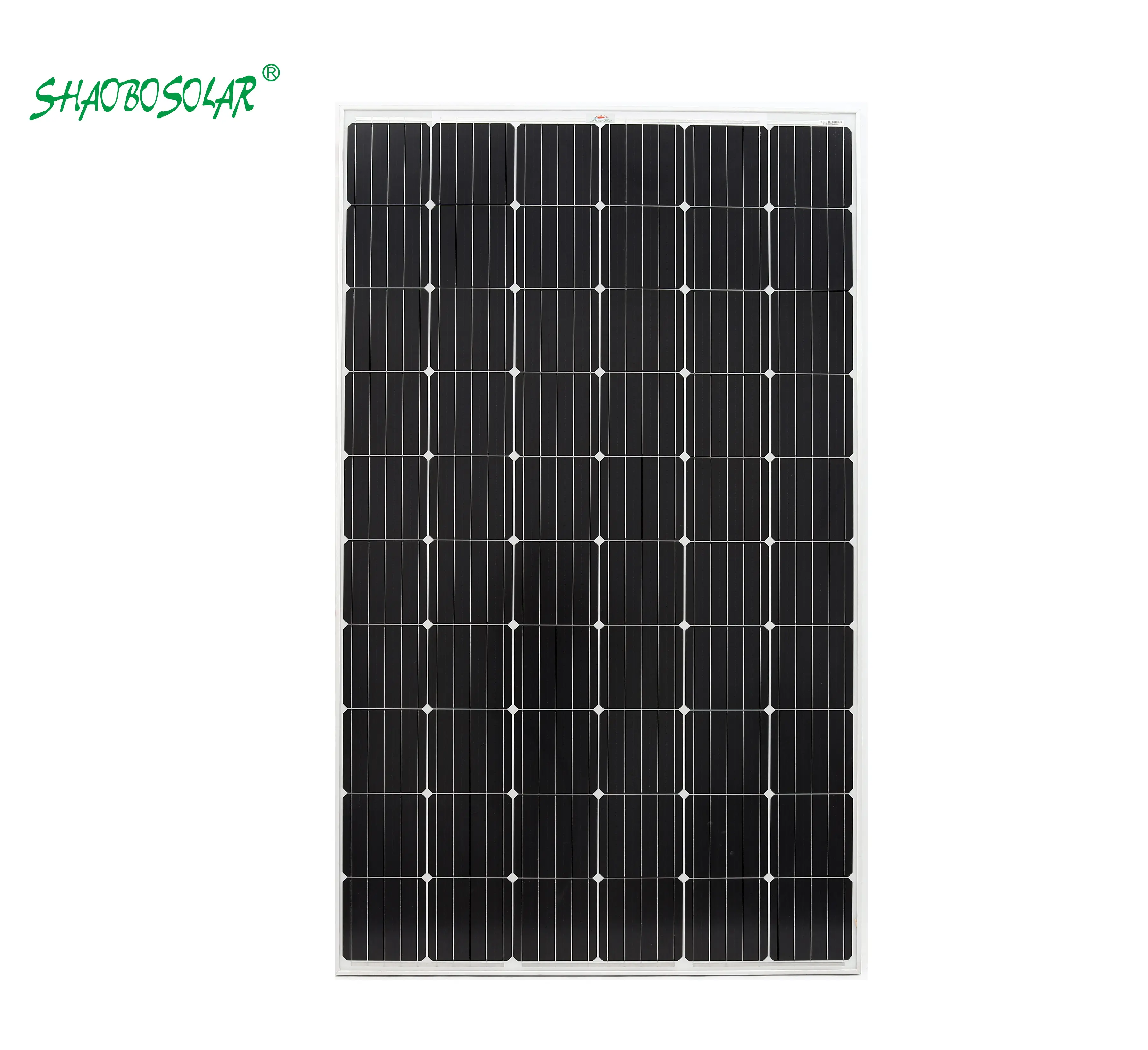
From 2016 to 2020, a technical pivot occurred. As manufacturing costs dropped globally, monocrystalline solar panels began to gain traction in urban areas like Jakarta and Surabaya, offering better performance in diffused light conditions common during the monsoon season.

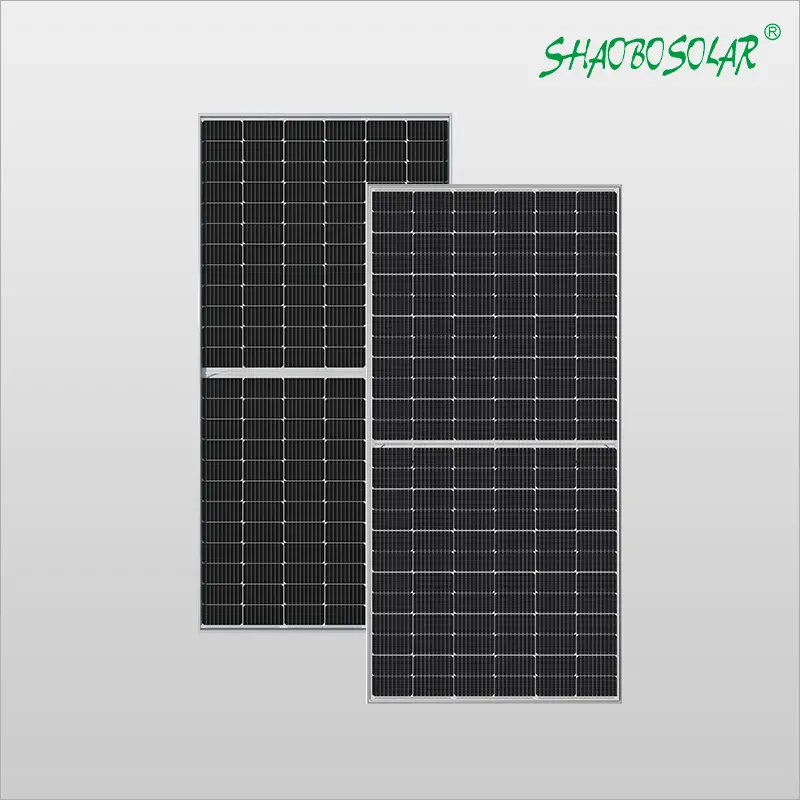
Since 2021, the integration of PERC (Passivated Emitter and Rear Cell) and Half-Cut technology has become the standard, significantly increasing the energy density and durability of modules installed in Indonesia's humid coastal environments.

Future Development Trends

N-Type TOPCon Adoption

The next 3 years will see a transition toward N-Type cells, which offer lower degradation rates and better temperature coefficients, critical for Indonesia's year-round high temperatures.

Bifacial Module Integration

Search trends indicate a surge in bifacial technology interest, allowing energy capture from both sides—ideal for floating solar farms (FPV) on Indonesia's many reservoirs.

Smart Energy Storage Synergy

The evolution of hybrid inverters will transform the standard solar setup into an intelligent energy hub, optimizing the autonomy of residential systems.

Industry Trends and Future Outlook

Strategic directions for the solar manufacturing and installation sector in Southeast Asia.

High-Temperature Resilience
Developing modules with ultra-low temperature coefficients to maintain voltage stability during peak Indonesian heat.
Anti-Corrosive Coating
Specialized frames and glass coatings to prevent salt-mist corrosion in Indonesia's coastal and island regions.
Floating Solar (FPV)
Optimizing module buoyancy and water-cooling effects to increase yield for floating installations on lakes.
Microgrid Integration
Linking small-scale residential arrays into community microgrids for shared energy stability.

Industry Outlook

Based on Google search trends in the Southeast Asian region, there is a clear trajectory toward "Energy Independence" at the household level. This is driving a surge in demand for integrated systems rather than individual components.

We anticipate that within 5 years, the Indonesian market will shift predominantly toward N-Type modules and integrated lithium-storage solutions, reducing the cost per watt and making solar the primary energy source for new construction.

Localized Solar Applications in Indonesia

Practical implementation scenarios designed for the Indonesian environment.

01. Urban Residential Rooftops in Jakarta

Utilizing high-efficiency monocrystalline solar panels to maximize limited roof space in densely populated urban areas, reducing monthly PLN electricity bills.

02. Off-Grid Village Electrification

Implementing a robust house solar power system in remote Kalimantan or Papua, providing essential lighting and refrigeration for underserved communities.

03. Floating Solar Farms on Reservoirs

Deploying large-scale arrays on water surfaces to avoid land-use conflicts in Java, leveraging the natural cooling effect of water to increase panel efficiency.

04. Agricultural Irrigation Power

Using solar-powered water pumps in rural farming areas to automate irrigation, replacing costly diesel pumps and reducing carbon footprints in the palm oil and rice sectors.

05. Coastal Tourism Resorts

Installing salt-resistant PV modules for eco-resorts in Bali and Lombok, ensuring sustainable luxury while protecting the pristine environment from fuel pollution.

Brand Story

Global Development Journey of Hebei Shaobo Solar Technology Co., Ltd.

Founding Vision

Established with a mission to bridge the gap between high-end semiconductor technology and affordable energy access for developing markets.

Technical Breakthrough

Perfected the production of high-purity silicon wafers, enabling the creation of more efficient monocrystalline cells with lower degradation.

Global Expansion

Strategically entered the Southeast Asian market, tailoring product specifications to meet the humidity and temperature demands of tropical zones.

Quality Certification

Achieved international IEC and TUV certifications, ensuring that every module exported meets the most stringent safety and performance standards.

Future Commitment

Dedicated to innovating the next generation of PV technology to ensure zero-emission power for every household across Indonesia.

Common Questions for Indonesian Solar Users

Expert answers to the most frequent queries regarding solar installation in the region.

Which is better for Indonesia: monocrystalline solar panels or polycrystalline?

For most Indonesian users, monocrystalline is superior due to higher efficiency in limited spaces and better performance during overcast or rainy days, which are frequent in tropical climates.

How does a house solar power system perform during the monsoon season?

While production drops during heavy rain, modern panels still capture diffused sunlight. Integrating battery storage ensures a consistent power supply regardless of the weather.

Can solar panels withstand the high humidity of coastal areas like Bali?

Yes, provided you use modules with professional-grade anti-corrosive frames and tempered glass that prevent moisture ingress and salt-mist degradation.

What is the average lifespan of solar panels in tropical environments?

Most high-quality panels are rated for 25 years, though high heat can accelerate degradation. Using N-type cells helps maintain a higher efficiency percentage over time.

Are polycrystalline solar panel options still viable for large-scale farms?

They are viable for very large areas where land is cheap and efficiency per square meter is less critical, but the price gap has narrowed significantly in favor of mono panels.

How to maintain solar panels in dust-prone Indonesian industrial zones?

Regular cleaning with soft brushes and water is recommended to remove dust and volcanic ash, which can otherwise create "hot spots" and reduce energy output.

Ready to Switch to Solar?

Get a customized energy consultation for your project in Indonesia. Our experts are ready to help you optimize your energy yield.

Contact Us Now

If you are interested in our products, you can choose to leave your information here, and we will be in touch with you shortly.