
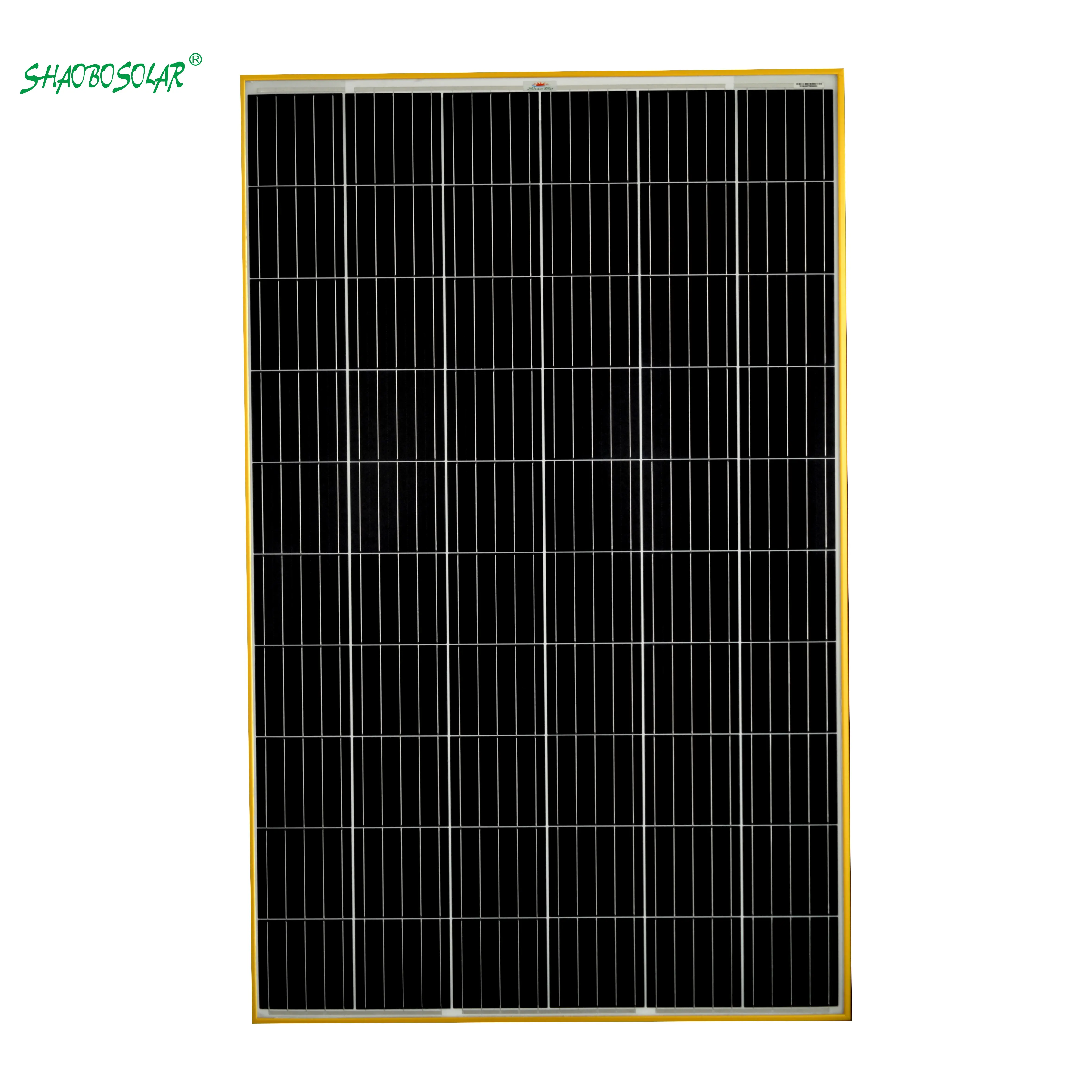
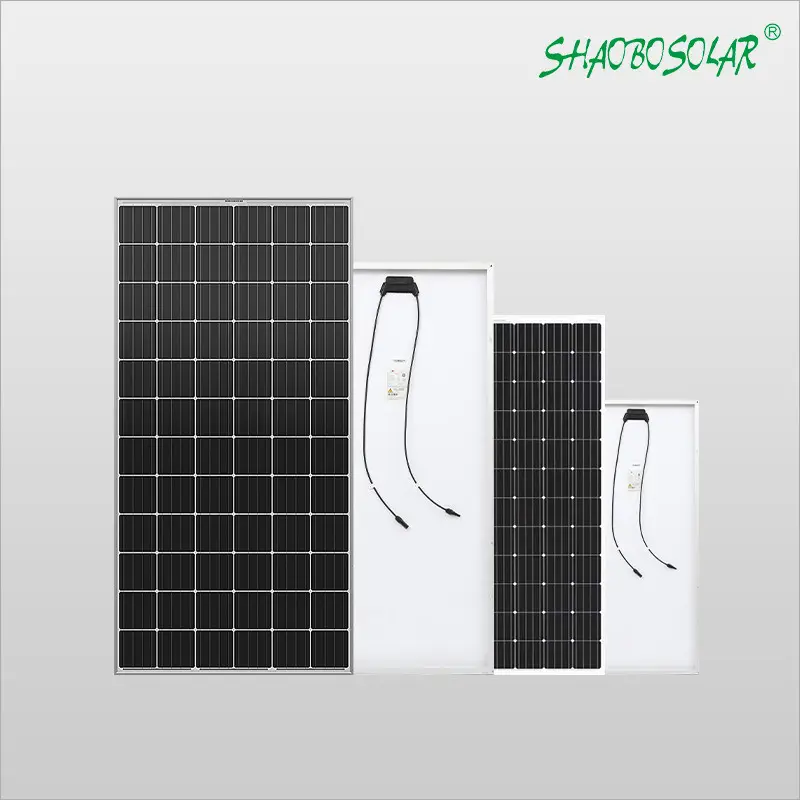
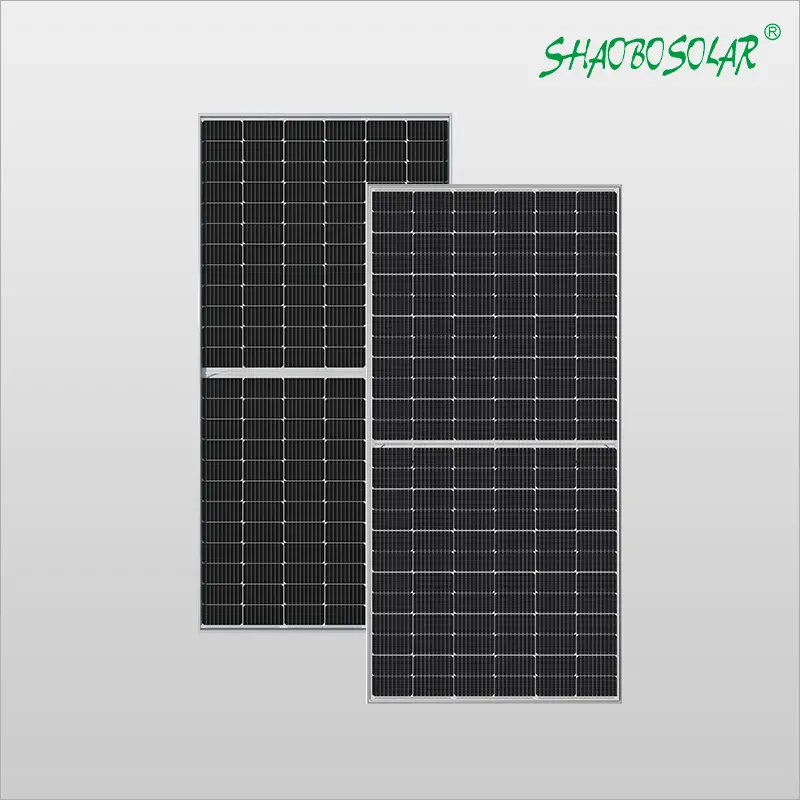
HighEfficiency monocrystalline solar panels Solutions for Laos

HighEfficiency monocrystalline solar panels Solutions for Laos

High-Efficiency monocrystalline solar panels Solutions for Laos

Empowering the Lao PDR energy transition with cutting-edge photovoltaic technology tailored for tropical climates and off-grid resilience.

High-Efficiency monocrystalline solar panels Solutions for Laos

Integrating high-performance solar energy systems to overcome energy instability and drive sustainable industrial growth across Asia - Laos.

Energy Landscape in Laos

Analyzing the adoption of photovoltaic systems in the heart of Southeast Asia.

Laos possesses immense solar potential due to its tropical location, yet many rural regions still face intermittent power supply. The adoption of solar panels has become a critical strategic move for both residential and industrial sectors to ensure energy sovereignty.

High humidity and intense monsoon seasons in Laos demand equipment with superior weatherproofing. While polycrystalline solar panel options were historically popular due to cost, the market is shifting toward high-efficiency alternatives that maximize limited roof space in urban centers like Vientiane.

The current survival state of the industry is characterized by a transition from small-scale lighting kits to comprehensive house solar power system installations, driven by government initiatives to reduce reliance on traditional grid imports.
Evolution of Solar Technology in Laos

From basic energy access to advanced smart-grid integration.

Market Development History

Between 2010 and 2015, the Lao market was dominated by low-capacity polycrystalline modules, primarily used for basic rural electrification and remote village lighting.

From 2016 to 2020, a technical shift occurred as the efficiency of the mono solar panel improved significantly. This era saw the rise of commercial solar farms and larger industrial rooftops.

Since 2021, the focus has shifted toward integrated storage solutions and PERC technology, allowing for stable 24/7 power delivery despite the seasonal cloud cover typical of the region.

Future Development Trends

N-Type TOPCon Adoption

The industry is moving toward N-type cells to reduce degradation in high-temperature environments common in Asia - Laos.

Bifacial Module Integration

Increasing use of double-sided panels to capture reflected light from sandy or light-colored ground surfaces in rural provinces.

Smart Energy Management

Integration of AI-driven inverters to optimize load distribution for domestic systems.

Industry Trends and Future Outlook

Forecasting the trajectory of photovoltaic manufacturing and deployment.

Higher Conversion Efficiency
Transitioning from 18% to over 22% efficiency to maximize output per square meter in Laos.
Hybrid Storage Systems
Combining PV with LFP batteries to ensure power stability during the rainy season.
Micro-Grid Proliferation
Localized grids for remote agricultural hubs to reduce transmission losses.
Sustainable Manufacturing
Reducing the carbon footprint of module production to align with global ESG goals.

Industry Outlook

Based on search trends in Southeast Asia, there is a surging interest in "self-sufficiency" and "energy independence," suggesting a 3-5 year growth peak for residential installations in Laos.

We anticipate a shift toward integrated "Solar-as-a-Service" models, where financing and installation are bundled to lower the entry barrier for local SMEs.

Localized Solar Applications in Laos

Real-world deployment strategies for diverse Lao environments.

01. Remote Village Electrification

Implementing standalone systems using solar panels to provide essential lighting and communication in off-grid mountainous regions.

02. Agricultural Irrigation Systems

Solar-powered water pumps utilizing high-efficiency modules to automate rice paddy irrigation, reducing diesel costs for farmers.

03. Residential Energy Independence

Full-scale house solar power system installations in Vientiane to mitigate voltage fluctuations and reduce electricity bills.

04. Tourism Eco-Lodges

Deploying silent, clean energy solutions for luxury eco-resorts in Luang Prabang, ensuring luxury comfort without environmental impact.

05. Industrial Warehouse Power

Large-scale rooftop arrays using monocrystalline technology to power manufacturing equipment in emerging Special Economic Zones.

Brand Story

Global Development History of Hebei Shaobo Photovoltaic Technology Co., Ltd.

Foundation & Vision

Established with a mission to democratize high-efficiency solar energy through rigorous engineering and manufacturing excellence.

Technical Breakthroughs

Developed advanced cell passivation techniques that significantly increased the lifespan of panels in humid tropical zones.

Global Expansion

Successfully entered the Southeast Asian market, specializing in tailored solutions for the unique climate of Laos.

Quality Certification

Achieved international TUV and CE certifications, ensuring our components meet the highest global safety and performance standards.

Sustainable Future

Committed to a zero-carbon manufacturing process, leading the transition to a greener planet through innovation.

Common Solar Questions in Laos

Expert answers to help you choose the right photovoltaic system.

Which is better for Laos: monocrystalline or polycrystalline solar panels?

Monocrystalline panels are generally better for Laos due to their higher efficiency and better performance in high-temperature environments, making them ideal for limited roof spaces.

How does the rainy season affect a house solar power system?

While production drops during heavy rain, a well-designed system with battery storage ensures a continuous power supply throughout the monsoon season.

Are mono solar panel installations durable against tropical storms?

Yes, provided they are installed with reinforced mounting structures designed to withstand the high wind speeds typical of Southeast Asian storms.

What is the average lifespan of solar panels in the Lao climate?

Most high-quality panels are warranted for 25 years, though efficiency may slightly degrade. Regular cleaning is recommended to remove dust and debris.

Can I integrate existing panels into a new house solar power system?

It depends on the compatibility of the voltages and the inverter. We recommend a professional audit to ensure the system remains balanced and efficient.

Do polycrystalline solar panel options still have a place in modern setups?

They remain a viable, cost-effective choice for very large-scale ground installations where space is not a constraint and budget is the primary driver.

Ready to Power Your Future?

Contact our experts today for a customized energy audit and high-performance solar solutions tailored for Laos.

Contact Us Now

If you are interested in our products, you can choose to leave your information here, and we will be in touch with you shortly.