
HighEfficiency house solar power system Solutions for Uganda

HighEfficiency house solar power system Solutions for Uganda

High-Efficiency house solar power system Solutions for Uganda

Empowering Ugandan homes and businesses with sustainable energy through advanced photovoltaic technology tailored for the East African climate.

High-Efficiency house solar power system Solutions for Uganda

Providing reliable, scalable, and cost-effective solar energy infrastructure to bridge the energy gap in Uganda's residential and commercial sectors.

Solar Energy Landscape in Uganda

Analyzing the current adoption and environmental factors affecting PV systems in the Pearl of Africa.

Uganda possesses an immense potential for solar energy due to its equatorial location, receiving consistent sunlight throughout the year. However, many rural areas still rely on unstable grids or kerosene, driving a massive surge in the demand for solar panels to achieve energy independence.

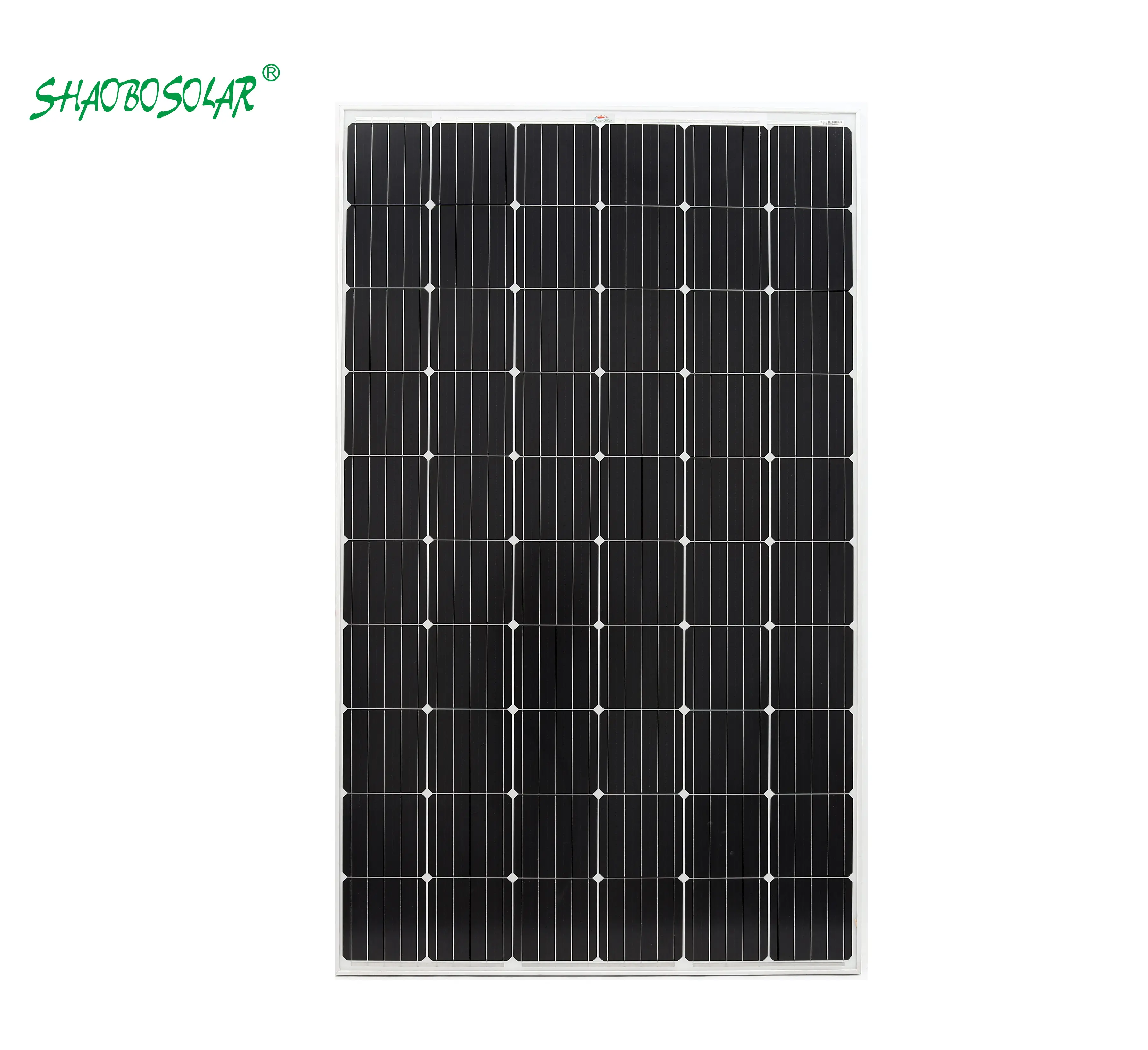
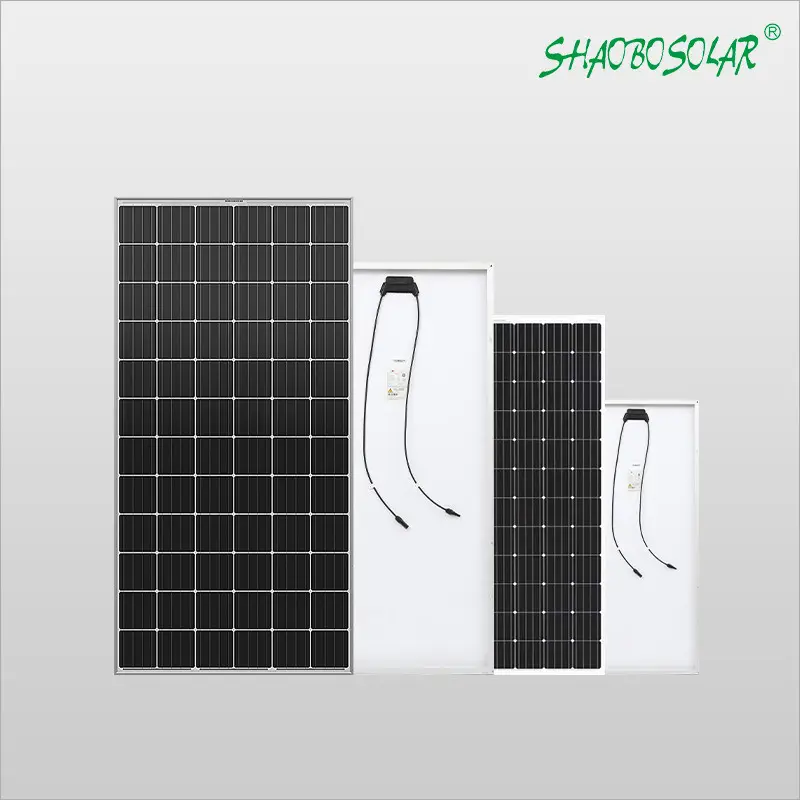
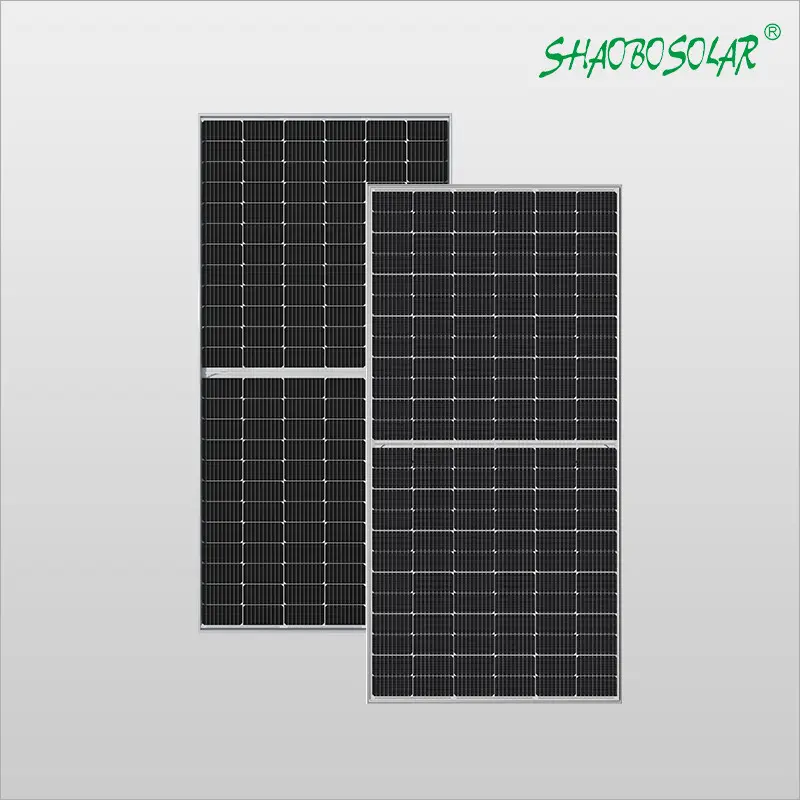
The market is currently transitioning from small-scale lighting kits to comprehensive power solutions. There is a growing preference for monocrystalline solar panels because of their higher efficiency in limited roof spaces, which is critical for urban centers like Kampala.

Economic factors and the rise of PAYGO (Pay-As-You-Go) financing have made solar technology accessible. Despite this, the market faces challenges with counterfeit components, emphasizing the need for certified, high-grade mono solar panel technology that can withstand high humidity and tropical heat.
Evolution of PV Technology in Uganda

From basic energy access to high-performance smart grids.

Market Development History

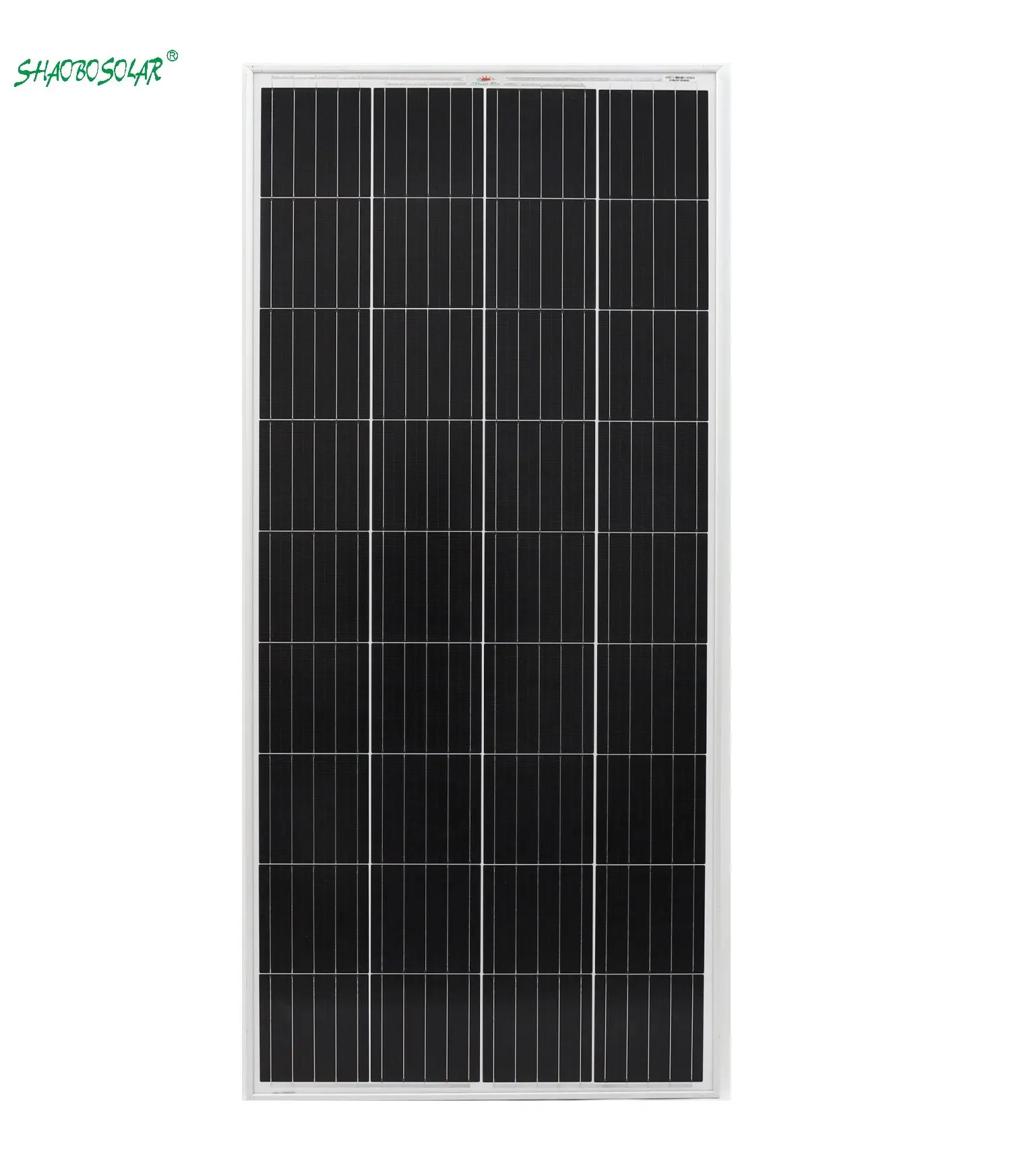
Between 2010 and 2015, the Ugandan market was dominated by polycrystalline solar panel options. These were favored for their lower initial cost, providing basic electricity to remote villages and small clinics.

From 2016 to 2020, a technical shift occurred. As manufacturing costs dropped globally, the efficiency gap between poly and mono cells became a primary driver. Users began upgrading to high-wattage systems to power appliances like refrigerators and water pumps.

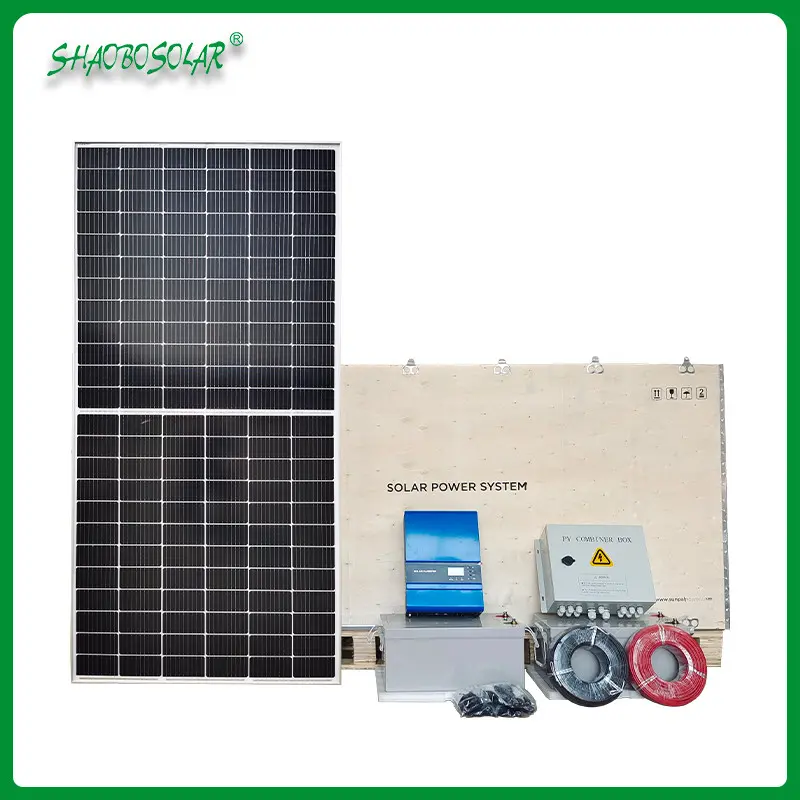
Since 2021, the integration of Lithium-ion storage and smart inverters has redefined the "house solar power system," moving from simple lighting to full energy autonomy for middle-class households and agricultural hubs.

Future Development Trends

PERC and TOPCon Transition

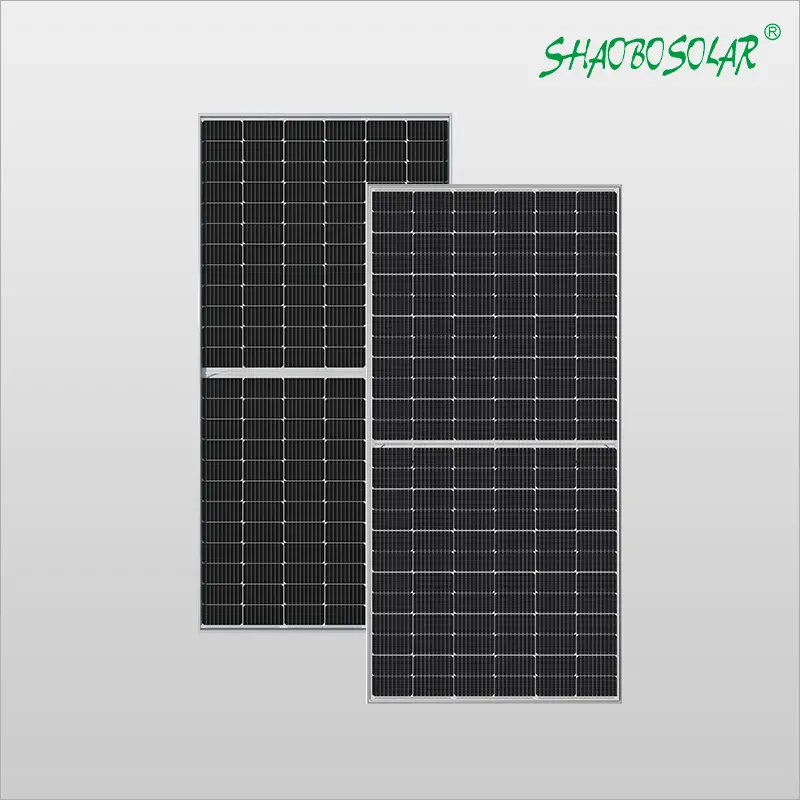
We anticipate a total shift toward TOPCon technology in Uganda, offering better performance in high-temperature environments compared to traditional cells.

Hybrid Storage Integration

Integration of AI-driven battery management systems to optimize energy discharge during the rainy seasons of the Lake Victoria basin.

Micro-Grid Expansion

A move toward community-based solar hubs, where centralized arrays distribute power to multiple residential clusters.

Industry Trends and Future Outlook

Strategic directions for the Ugandan solar manufacturing and installation sector.

Bifacial Efficiency
Adoption of bifacial modules to capture reflected light from sandy or light-colored soils common in Northern Uganda.
Smart Energy Management
IoT-enabled monitoring systems allowing Ugandan users to track energy production via mobile apps in real-time.
Agricultural Integration
Agrivoltaics combining solar power with crop production to maximize land use for Ugandan farmers.
Carbon Credit Monetization
Implementing blockchain tracking to help Ugandan solar installers claim international carbon credits.

Industry Outlook

Based on search trend data and regional growth patterns, the Ugandan solar market is expected to move toward decentralization. The "mini-grid" model will likely replace large-scale centralized plants for rural electrification over the next 5 years.

Furthermore, the demand for high-performance monocrystalline cells will grow as the urban middle class seeks energy security against frequent grid fluctuations in cities like Entebbe and Jinja.

Localized Solar Applications in Uganda

Real-world implementation of PV systems across diverse Ugandan environments.

01. Rural Residential Powering

Implementing a basic house solar power system to provide lighting, phone charging, and radio access for households in the Karamoja region.

02. Solar-Powered Irrigation

Utilizing high-efficiency solar arrays to drive water pumps for coffee and tea plantations in the highlands, reducing reliance on expensive diesel generators.

03. Health Center Electrification

Installing specialized PV systems in rural clinics to ensure 24/7 refrigeration for vaccines and emergency lighting during nocturnal deliveries.

04. Urban Commercial Rooftops

Deploying monocrystalline solar panels on shopping malls and office buildings in Kampala to reduce operational costs and peak demand charges.

05. Educational Hubs

Powering digital classrooms and computer labs in remote schools, enabling students to access global educational resources via the internet.

Brand Story

Global Development Journey of Hebei Shaobo Photovoltaic Technology Co., Ltd.

Technical Foundation

Established with a focus on semiconductor purity, we began by solving the efficiency decay problem in high-temperature environments.

Global Expansion

Expanding our footprint into the African market, specifically adapting our modules to withstand the unique UV levels of East Africa.

Innovation Peak

Launching our high-durability series that integrates advanced anti-reflective coatings, reducing dust accumulation in arid regions.

Sustainability Commitment

Developing a closed-loop recycling program for solar components to ensure our growth doesn't come at an environmental cost.

Future Vision

Aiming to power 1 million off-grid homes across Uganda and beyond through accessible, high-tier PV technology.

Uganda Solar Energy FAQ

Answers to common questions regarding solar installation and maintenance in the region.

What is the best house solar power system for a rural home in Uganda?

For rural homes, a hybrid system combining monocrystalline panels with a deep-cycle GEL or Lithium battery is best, as it provides stability during cloudy periods.

Do monocrystalline solar panels perform better in the Ugandan heat?

Yes, high-grade mono-perc cells generally have a better temperature coefficient, meaning they maintain higher efficiency as temperatures rise compared to older technologies.

How long do polycrystalline solar panel systems typically last in East Africa?

Most quality polycrystalline panels last 20-25 years, though output degrades slightly over time. Regular cleaning of dust is essential to maintain this lifespan.

How many mono solar panel units are needed for a standard 3-bedroom house?

Depending on load (lighting vs. appliances), typically 4 to 8 panels of 400W+ are required, paired with a suitable inverter and battery bank.

Can solar panels be used for commercial farming in Uganda?

Absolutely. Solar arrays are widely used for irrigation pumps and cold storage, significantly reducing the cost of agricultural production.

What maintenance is required for solar panels in tropical climates?

Monthly cleaning to remove dust and pollen, and annual checks of cable connections to prevent corrosion from high humidity.

Request a Custom Solar Quote

Ready to switch to clean energy? Our engineers are available to design the perfect system for your needs in Uganda.

Contact Us Now

If you are interested in our products, you can choose to leave your information here, and we will be in touch with you shortly.