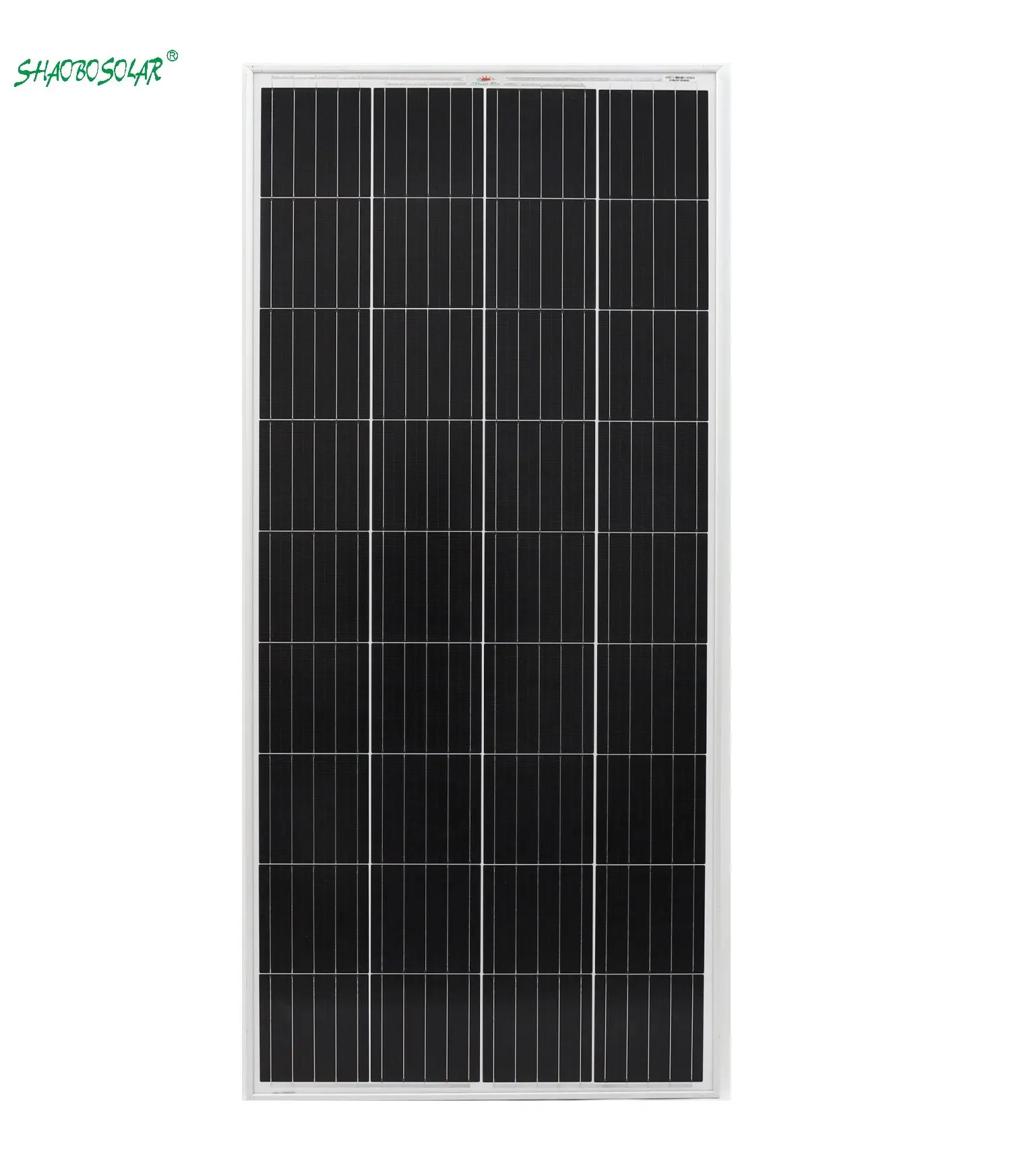
HighEfficiency monocrystalline solar panels for Libya’s Energy Transition

HighEfficiency monocrystalline solar panels for Libya’s Energy Transition

  • Home
  • Global Service
  • HighEfficiency monocrystalline solar panels for Libya’s Energy Transition

High-Efficiency monocrystalline solar panels for Libya's Energy Transition

Empowering Libyan infrastructure with cutting-edge photovoltaic technology designed for extreme desert climates and maximum energy yield.

High-Efficiency monocrystalline solar panels for Libya's Energy Transition

Providing sustainable and scalable energy solutions through advanced solar panels tailored for the unique environmental demands of the Libyan landscape.

The Current State of Solar Energy in Libya

Analyzing the adoption of photovoltaic systems in a region with some of the world's highest solar irradiance.

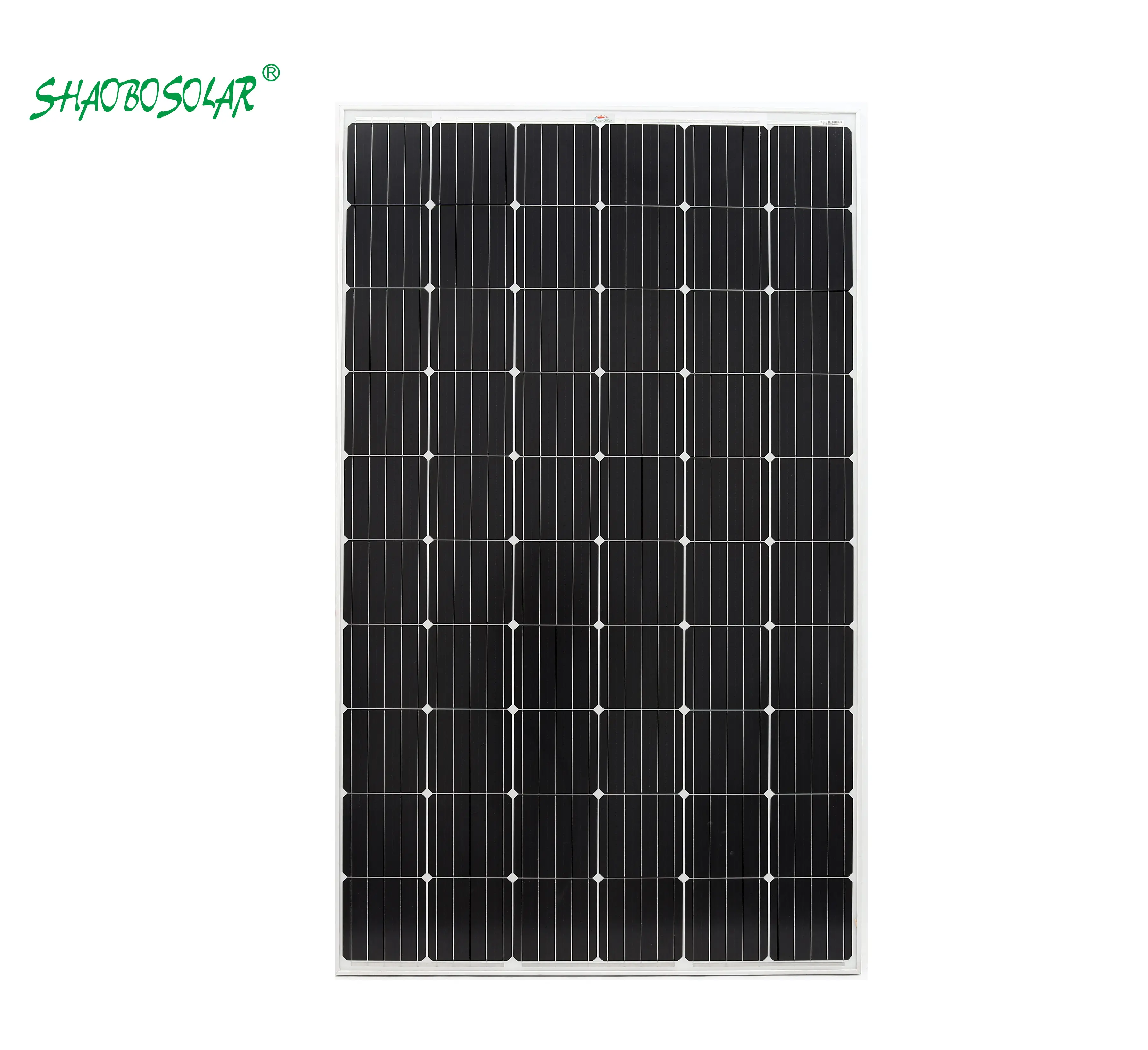
Libya possesses an extraordinary geographic advantage with vast desert expanses that receive intense sunlight year-round. However, the energy sector has historically relied on fossil fuels, leaving many remote areas with unstable grid access. The current shift toward mono solar panel technology is driven by the urgent need for energy autonomy and the reduction of operational costs for industrial sites.

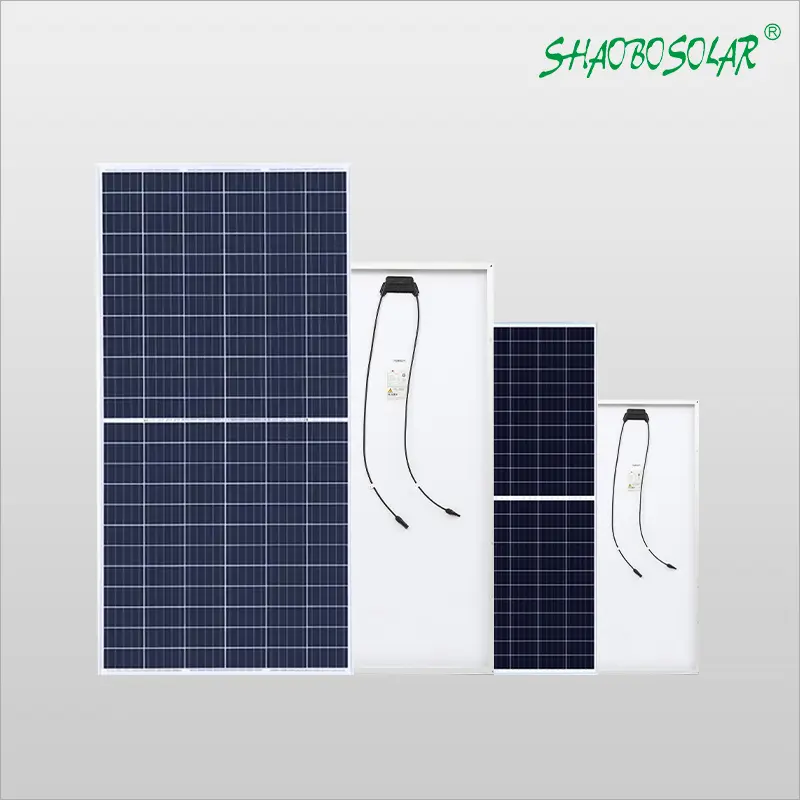
Environmental challenges, specifically high ambient temperatures and frequent sandstorms, have historically hindered the lifespan of early installations. The market is now transitioning from basic setups to high-durability polycrystalline solar panel arrays that can withstand thermal stress, though efficiency demands are pushing users toward premium monocrystalline options.

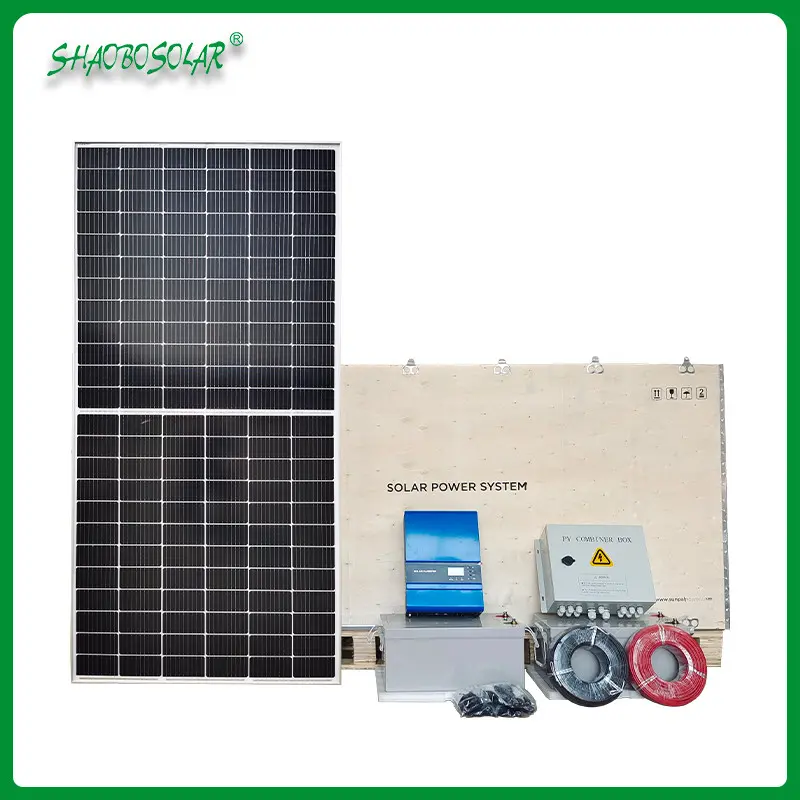
With the stabilization of local economic zones, there is a surge in demand for a complete house solar power system. Residential users in cities like Tripoli and Benghazi are increasingly seeking off-grid independence to mitigate the frequent power outages affecting daily life and business continuity.
Evolution of PV Technology in North Africa

From early experimental arrays to the era of high-efficiency PERC and TOPCon cells.

Market Development History

Between 2000 and 2010, the Libyan market was dominated by first-generation polycrystalline silicon. These systems were primarily used for small-scale water pumping in rural agricultural zones, providing basic functionality but suffering from low conversion rates in extreme heat.

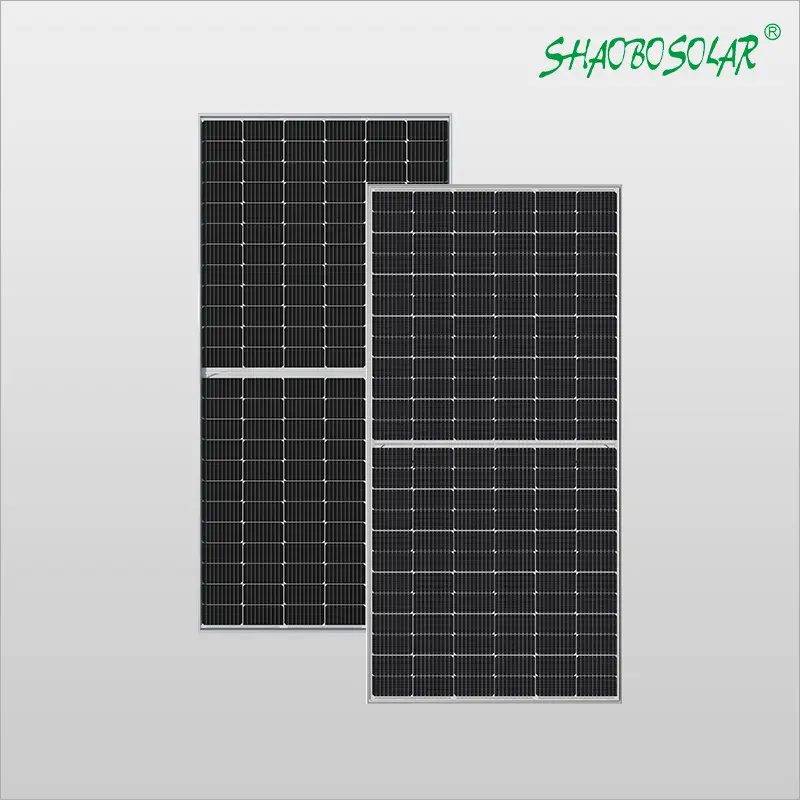
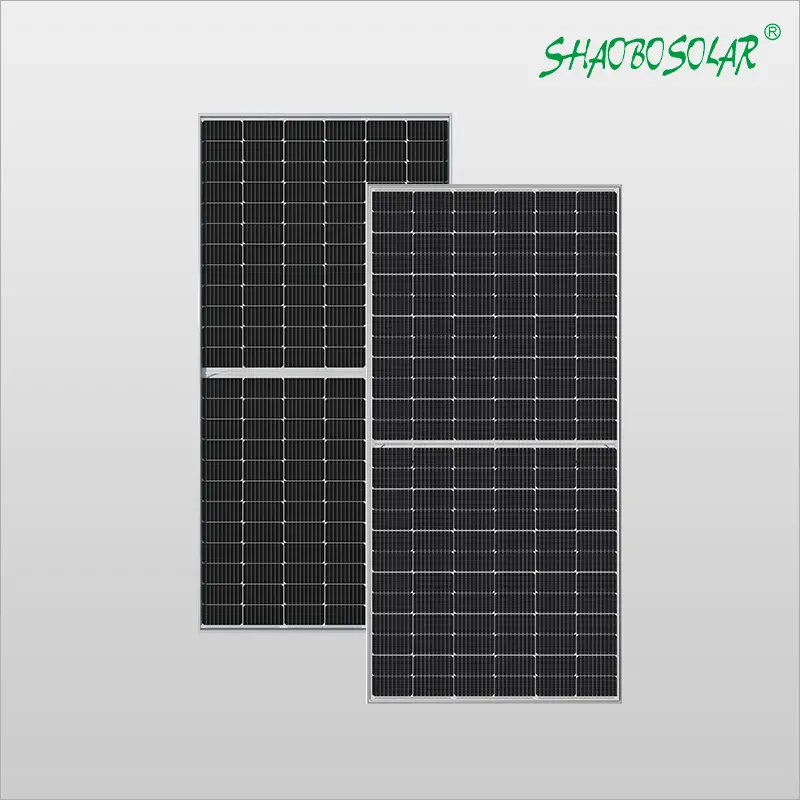
From 2011 to 2020, a technological pivot occurred as the cost of monocrystalline silicon dropped. The introduction of PERC (Passivated Emitter and Rear Cell) technology allowed for better light capture, making the mono solar panel the preferred choice for commercial installations across the Maghreb region.

Since 2021, the focus has shifted toward "system-level" integration. We are now seeing the deployment of smart inverters and lithium-storage integration, transforming standalone panels into comprehensive energy ecosystems for industrial and domestic use.

Future Development Trends

Bifacial Module Dominance

Given Libya's high-albedo sandy soils, bifacial modules that capture sunlight from both sides are predicted to increase energy yield by 15-25% over the next 3 years.

N-Type TOPCon Integration

The shift from P-type to N-type cells will significantly reduce Light-Induced Degradation (LID), ensuring that panels maintain peak performance despite the harsh Sahara sun.

Hybrid Storage Ecosystems

Integration of AI-driven energy management systems will optimize the storage-to-consumption ratio for every house solar power system, reducing reliance on diesel generators.

Industry Trends and Strategic Outlook

Mapping the trajectory of solar manufacturing and deployment for the Libyan market.

Thermal Resilience Engineering
Developing cells with lower temperature coefficients to prevent efficiency drops during Libyan summer peaks.
Anti-Soiling Glass Coating
Advanced hydrophobic coatings to minimize dust accumulation, reducing the frequency of manual cleaning in desert areas.
Decentralized Micro-grids
Moving away from centralized plants toward community-based solar hubs for rural village electrification.
Carbon Credit Integration
Leveraging solar installations for international carbon offsets, creating new revenue streams for Libyan enterprises.

Industry Outlook

Based on Google search trends in the North African region, there is a significant spike in queries related to "energy independence" and "hybrid solar inverters." This indicates a market shift from simple lighting solutions to full-scale power replacement for industrial machinery and HVAC systems.

We project that within the next 5 years, the adoption of high-density monocrystalline solar panels will reach a critical mass in Libya, supported by falling LCOE (Levelized Cost of Energy) and increased government interest in renewable energy diversification.

Localized Solar Applications in Libya

Real-world implementation scenarios optimized for Libyan geography and economic needs.

01. Desert Agricultural Irrigation

Deploying high-wattage arrays to power deep-well submersible pumps, allowing farmers in the south to maintain crops without relying on expensive and polluting diesel generators.

02. Residential Urban Independence

Integrating a complete house solar power system in residential areas of Tripoli to ensure 24/7 electricity for refrigeration and communication during grid failures.

03. Remote Telecommunication Towers

Utilizing durable solar panels to provide consistent backup power for cellular base stations in the Sahara, ensuring connectivity across vast distances.

04. Industrial Cold Storage Facilities

Implementing large-scale mono-crystalline arrays to power cooling systems for fish and produce storage along the coast, reducing spoilage and operational overhead.

05. Off-Grid Medical Clinics

Providing reliable power for vaccine refrigeration and emergency lighting in rural clinics through stabilized solar-plus-storage configurations.

Brand Story

Global Development Journey of Hebei Shaobo Photovoltaic Technology Co., Ltd.

Foundation of Excellence

Established with a mission to democratize high-efficiency energy, Shaobo Solar began by perfecting the purity of monocrystalline silicon wafers.

Technical Breakthroughs

We overcame the "Heat-Efficiency Paradox," developing panels that maintain stable voltage even in environments exceeding 45°C.

Global Expansion

Expanding into the African market, we tailored our product lines to meet the rugged demands of the Sahara and Sahel regions.

Commitment to Quality

By implementing aerospace-grade quality control, we ensure every module delivered to Libya exceeds IEC international standards.

Vision for the Future

Our goal is to provide 1GW of clean energy capacity to emerging markets, solving the pain point of energy poverty through innovation.

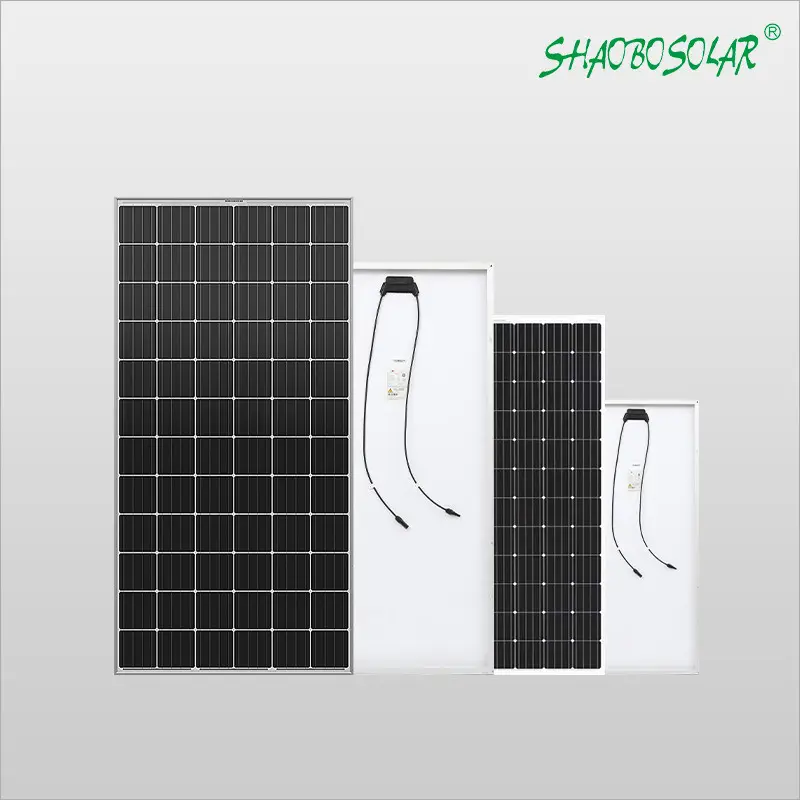
Comprehensive Solar Portfolio for Libya

From individual residential kits to utility-scale industrial arrays, engineered for maximum durability.

Common Questions for Solar Deployment in Libya

Expert answers to the most frequent technical and commercial queries from our Libyan partners.

Which is better for Libya: monocrystalline solar panels or polycrystalline?

Monocrystalline panels are generally superior for Libya because they have a higher efficiency and a better temperature coefficient, meaning they perform more reliably in extreme heat than polycrystalline options.

How do I maintain my house solar power system during sandstorms?

Regular dry-brushing or using low-pressure water cleaning is recommended. Our panels feature anti-soiling coatings to help reduce the adhesion of fine desert dust.

Can a mono solar panel operate efficiently in temperatures above 40°C?

Yes, our premium N-type mono panels are specifically engineered with low thermal degradation rates, ensuring they continue to produce power even during peak Libyan summer days.

What is the average lifespan of solar panels installed in North Africa?

With proper installation and maintenance, our high-grade modules are warranted for 25 years, though environmental factors in the desert may require more frequent frame inspections.

Are polycrystalline solar panel systems still viable for large-scale farms?

They remain a cost-effective choice for very large areas where space is not a constraint, though the overall LCOE is becoming more favorable for monocrystalline systems.

How do I calculate the number of solar panels needed for a typical Libyan home?

You must calculate your daily kWh consumption and account for peak sun hours (which are high in Libya). A typical residential system usually requires between 6 to 12 high-efficiency modules depending on AC usage.

Ready to Energize Your Future?

Get a customized technical consultation for your solar project in Libya today.

Contact Us Now

If you are interested in our products, you can choose to leave your information here, and we will be in touch with you shortly.