16 April 2026
Transitioning to sustainable energy requires more than just installing any equipment; it requires choosing the right voltage for your specific power needs. A 24v solar panel is often the "sweet spot" for medium-sized off-grid systems, offering a perfect balance between efficiency and cost. Whether you are powering a remote cabin, an RV, or an industrial marine vessel, understanding how these panels operate is key to maximizing your energy harvest. In this guide, we will explore the technical advantages, installation tips, and why choosing a high-quality system from Shaobo Solar can transform your energy independence.
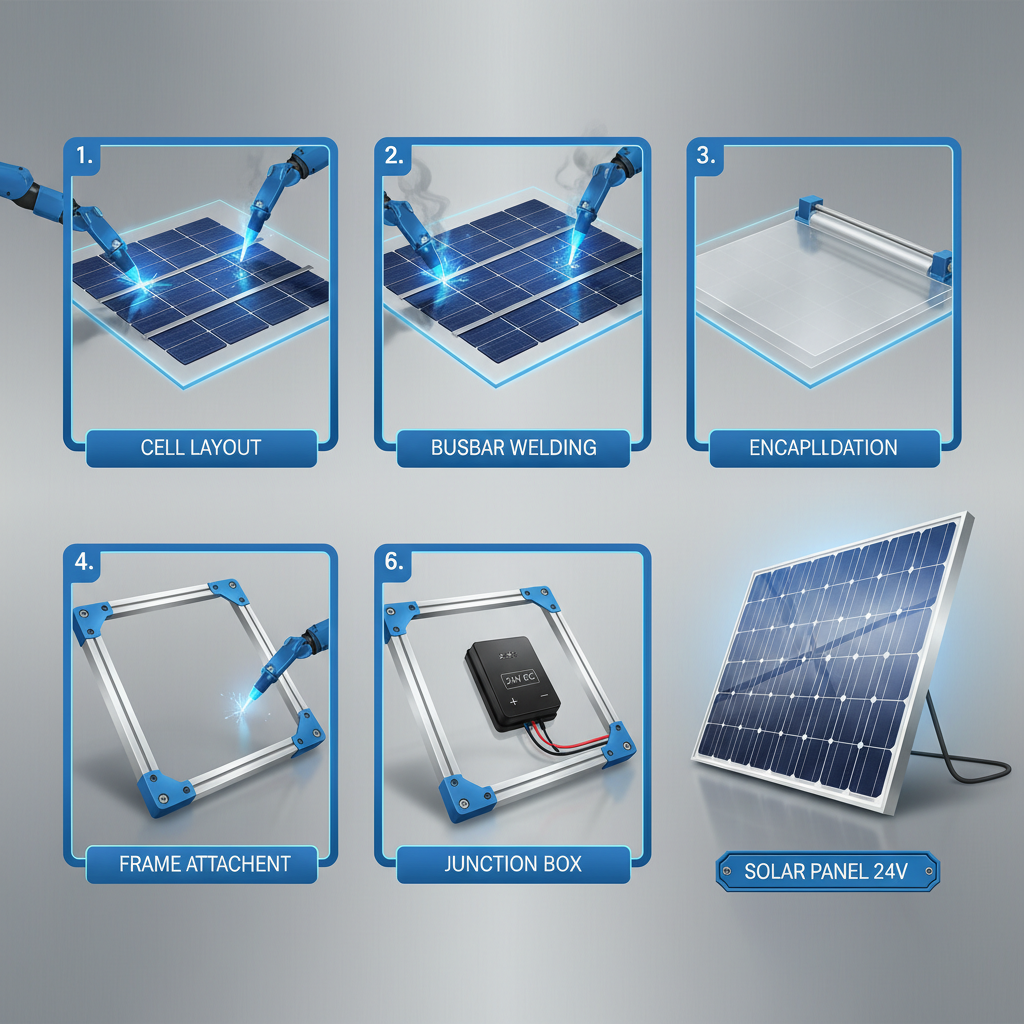
At its core, a 24v solar panel is designed to produce a nominal voltage of 24 volts, typically achieved by connecting two 12v cells in series. This increase in voltage is not just a number; it allows the system to move more power with less current (amperage). Reducing the current means you can use thinner wiring over longer distances without significant voltage drop, which significantly lowers installation costs and increases overall system safety. For those scaling up from a basic 12v setup, the 24v configuration provides a more robust foundation for handling heavier loads like refrigerators or water pumps.
Pro Tip: When using a 24v system, always ensure your solar charge controller and battery bank are also rated for 24v to avoid damaging your electronics.
Deciding between a 12v and a 24v solar panel depends largely on the total wattage of your array. While 12v systems are simple and common for small gadgets, they become inefficient as the system grows. A 24v system cuts the amperage in half for the same amount of power, which means less heat generation in the wires and a more stable flow of electricity to your battery bank. This makes the 24v option far superior for mid-range residential or commercial off-grid applications.
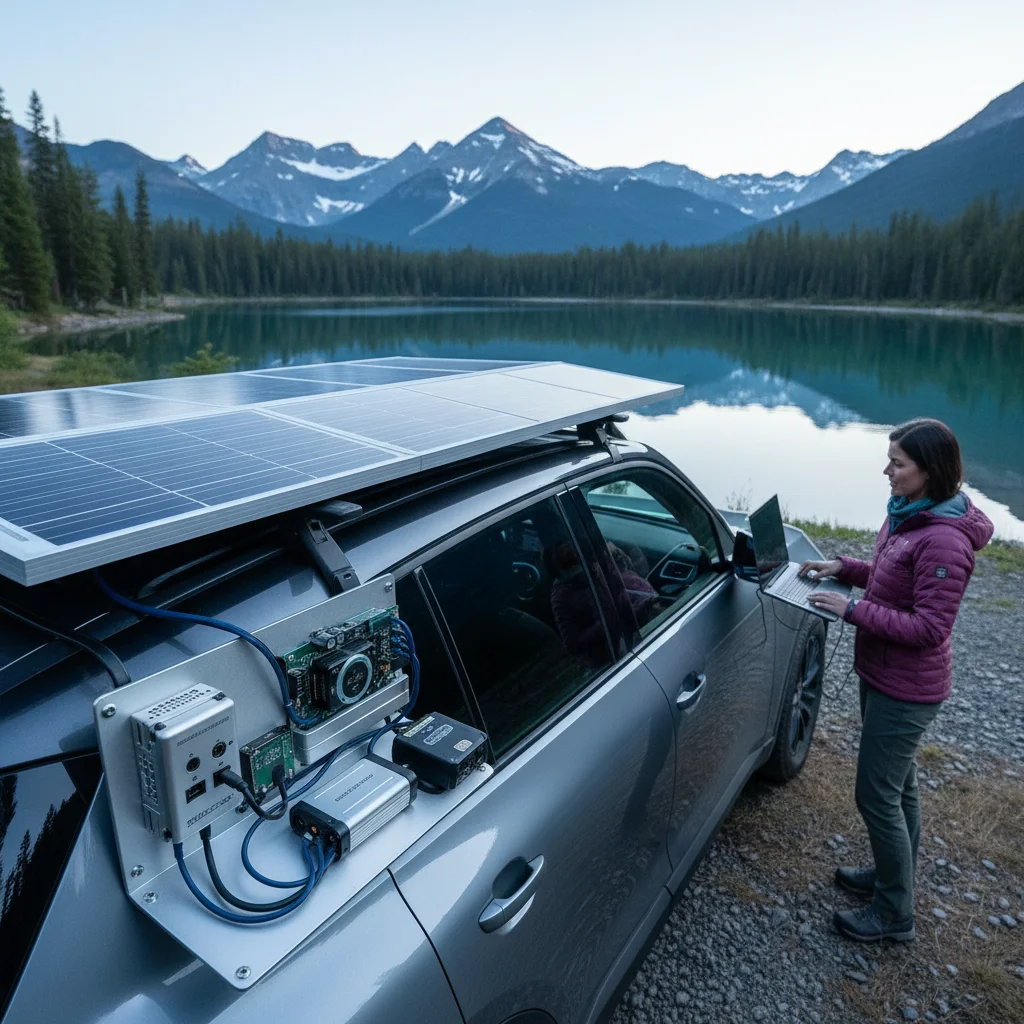
The versatility of a 24v solar panel makes it a favorite for several high-demand scenarios. In the marine industry, where corrosion and space are issues, 24v systems provide stable power for navigation and communication equipment. Similarly, in the RV and van-life community, these panels are used to power heavy-duty appliances like induction cooktops or air conditioners. By utilizing 24v technology, users can maintain a smaller footprint of batteries while still achieving a high energy output, ensuring that your journey remains uninterrupted by power failures.
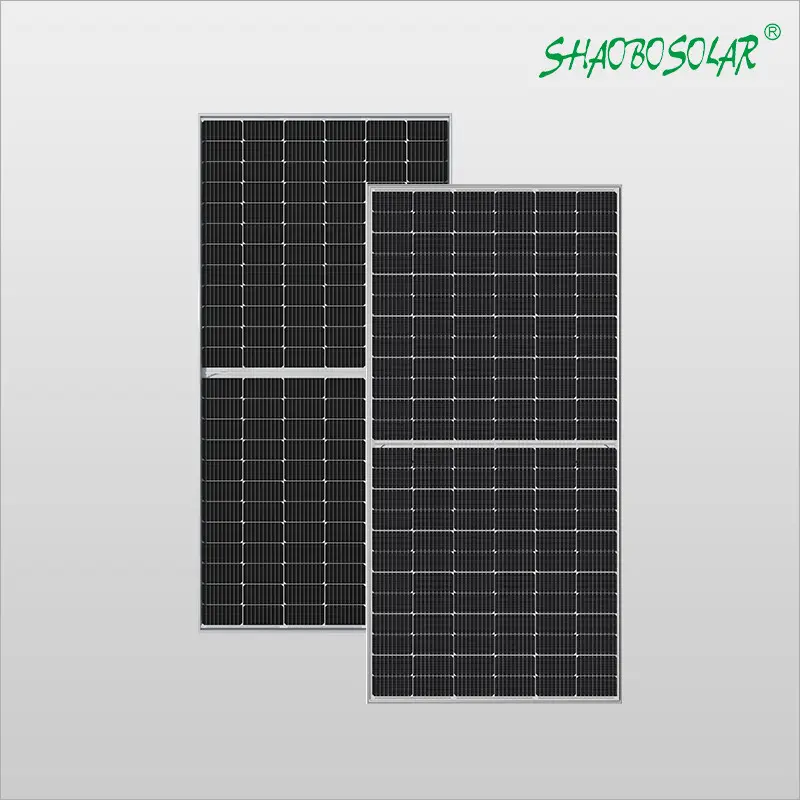
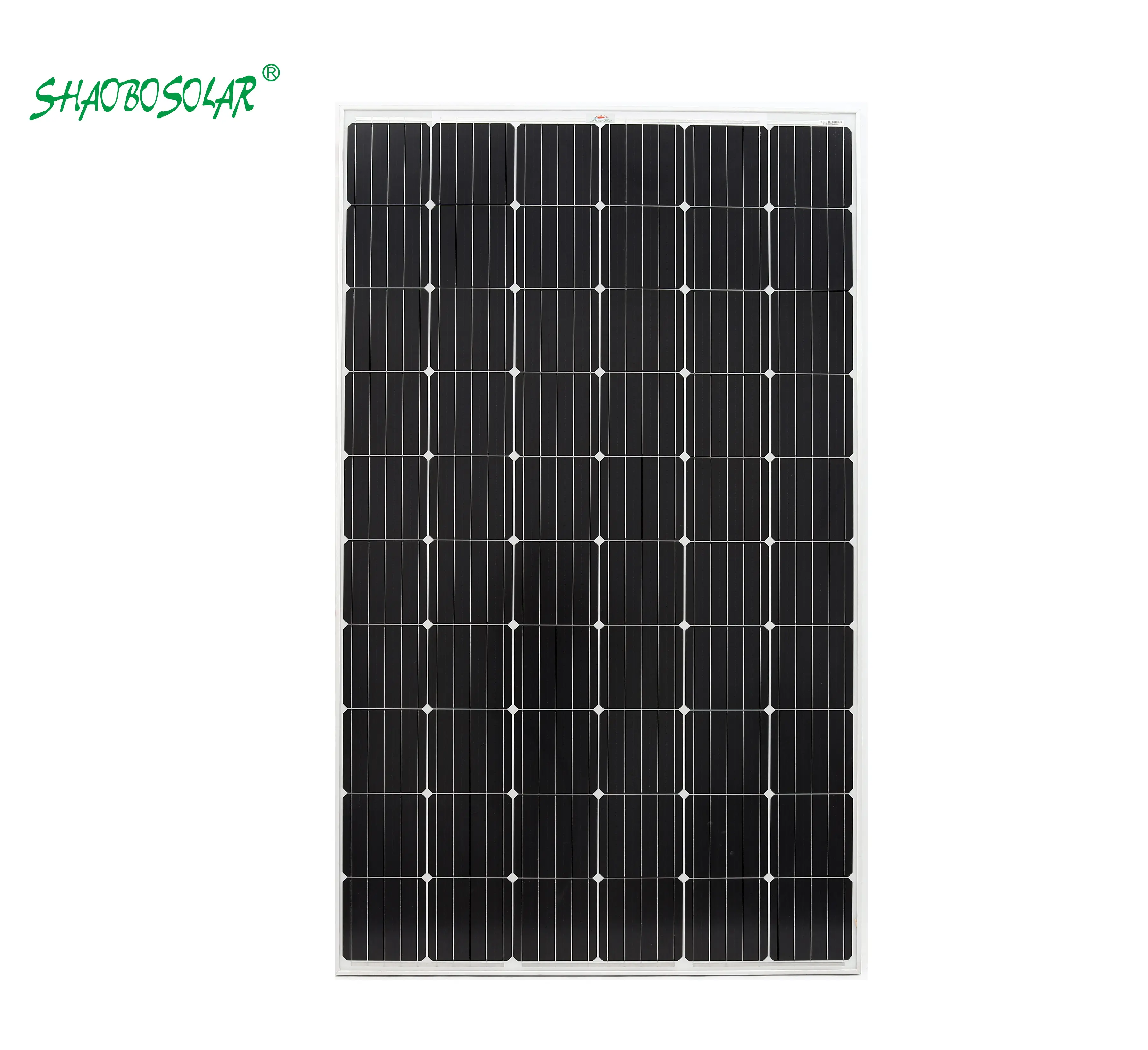
When shopping for a 24v solar panel, you must look beyond the nominal voltage. Key metrics such as Open Circuit Voltage (Voc), Short Circuit Current (Isc), and the temperature coefficient determine how the panel will perform in real-world conditions. For instance, monocrystalline panels generally offer higher efficiency in limited spaces compared to polycrystalline options. Below is a specification table representing a typical high-efficiency 24v industrial module.
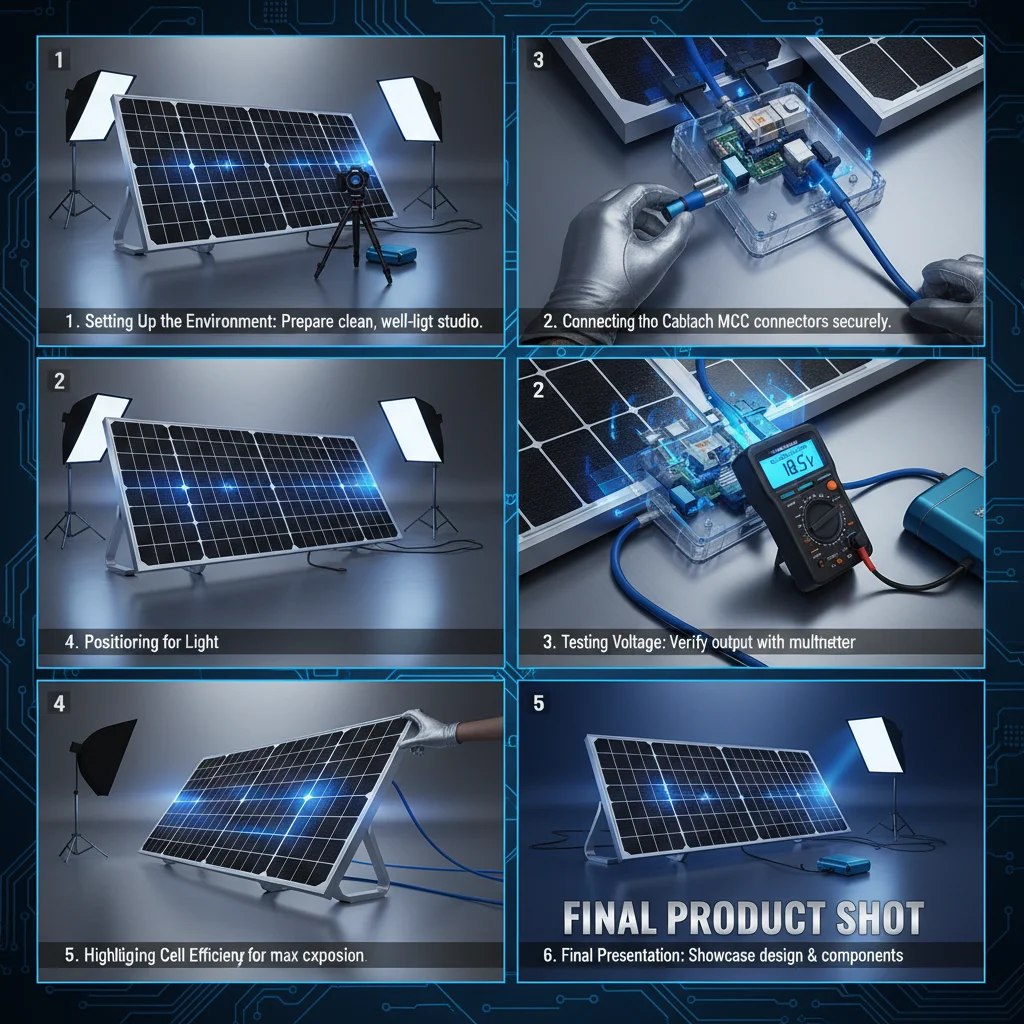
Installation is where many users make mistakes that lead to energy loss. To get the most out of your 24v solar panel, proper orientation and tilt angle are non-negotiable. In the Northern Hemisphere, panels should face south to capture maximum sunlight. Furthermore, using an MPPT (Maximum Power Point Tracking) controller is highly recommended for 24v systems. Unlike basic PWM controllers, an MPPT controller can convert excess voltage into additional amperage, increasing your charging efficiency by up to 30% during winter months or cloudy days.
Once your 24v solar panel is installed, consistent maintenance ensures the system lasts for decades. Dust, bird droppings, and pollen can create "hot spots" and reduce efficiency significantly. A simple cleaning with water and a soft cloth every few months can maintain peak performance. Additionally, check your wiring connections annually for signs of corrosion or loosening due to thermal expansion. Investing in high-quality panels from Shaobo Solar ensures that the glass and frame are built to withstand harsh weather, reducing the frequency of structural repairs.
Choosing a 24v solar panel is a strategic decision for anyone looking to build a reliable, scalable, and efficient off-grid power system. By reducing current and allowing for thinner wiring, these panels provide a safer and more cost-effective way to power medium-to-large energy loads. Whether for professional marine use or personal off-grid living, the balance of performance and practicality makes 24v the industry standard for mid-range systems. Trust Shaobo Solar to provide the quality and durability you need for a lifetime of clean energy.
Yes, but you must use a compatible charge controller. A PWM controller will simply clip the excess voltage, which is inefficient. However, an MPPT (Maximum Power Point Tracking) controller is highly recommended because it can step down the 24v output to 12v while increasing the current, ensuring that no energy is wasted. Without a controller, connecting a 24v panel directly to a 12v battery will cause severe overcharging and likely destroy the battery.
The primary advantage is efficiency. For a given amount of power (Watts = Volts x Amps), doubling the voltage allows you to halve the amperage. Lower amperage means less energy is lost as heat in the wires, allowing you to use thinner, cheaper cables and run wires over longer distances without losing significant power. This makes 24v systems much easier to scale for larger loads like air conditioners or power tools.
The number of panels depends on your total daily energy consumption (measured in Watt-hours). To calculate this, list all your appliances and how many hours they run. For a small cabin with basic lighting, a laptop, and a small fridge, a system of 2 to 4 high-efficiency 24v solar panels is usually sufficient. We recommend calculating your peak load and adding a 20% safety margin to account for cloudy days.
In terms of the panels themselves, the cost is very similar because they use the same solar cells. However, the overall system cost for 24v can actually be lower in larger installations because you save money on wiring and can use fewer, higher-capacity charge controllers. When you factor in the increased efficiency and reduced material costs for cabling, 24v systems often provide a better return on investment for mid-to-large setups.


Hit enter to search or ESC to close