The 120w solar panel represents a significant step towards accessible and sustainable energy solutions. Globally, there’s an increasing demand for off-grid power, driven by factors like expanding rural electrification, disaster relief efforts, and the growing desire for energy independence. These panels provide a practical and cost-effective solution for a wide range of applications, from powering small electronics to supporting essential services in remote areas. Understanding the capabilities and limitations of a 120w solar panel is crucial for effective implementation and maximizing its benefits.
The relevance of the 120w solar panel extends beyond individual households. According to the International Renewable Energy Agency (IRENA), solar energy capacity has been steadily increasing, with distributed generation – including smaller panels like the 120w model – playing a vital role in bridging the energy gap, especially in developing nations. The World Bank also highlights the importance of decentralized renewable energy in achieving universal energy access by 2030. The ease of deployment and relative affordability of a 120w solar panel make it a key component in these efforts.
A key challenge in providing energy access globally is the logistical complexity and high cost of traditional grid extension. The 120w solar panel addresses this by offering a standalone, portable, and readily available power source. This is particularly impactful in situations where grid infrastructure is unreliable, unavailable, or simply too expensive to establish, fostering a more resilient and sustainable energy future.
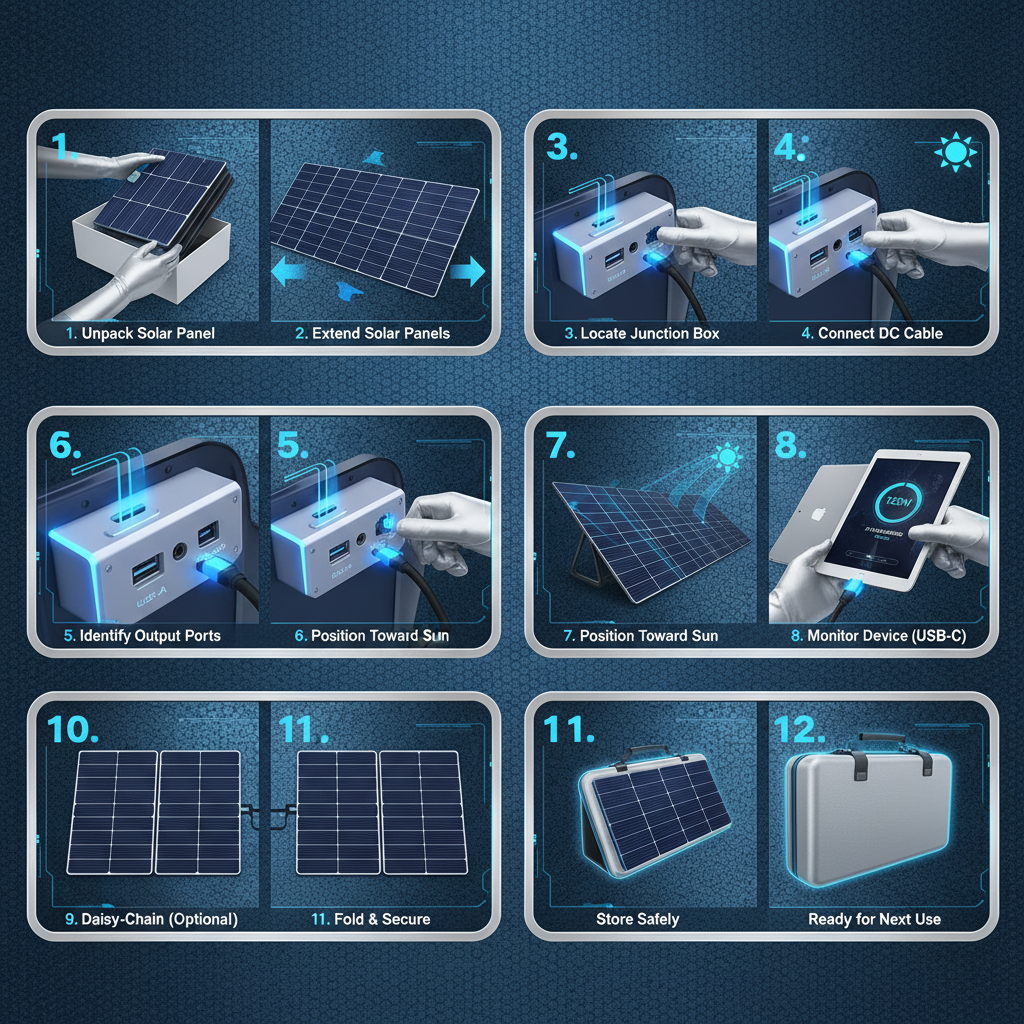
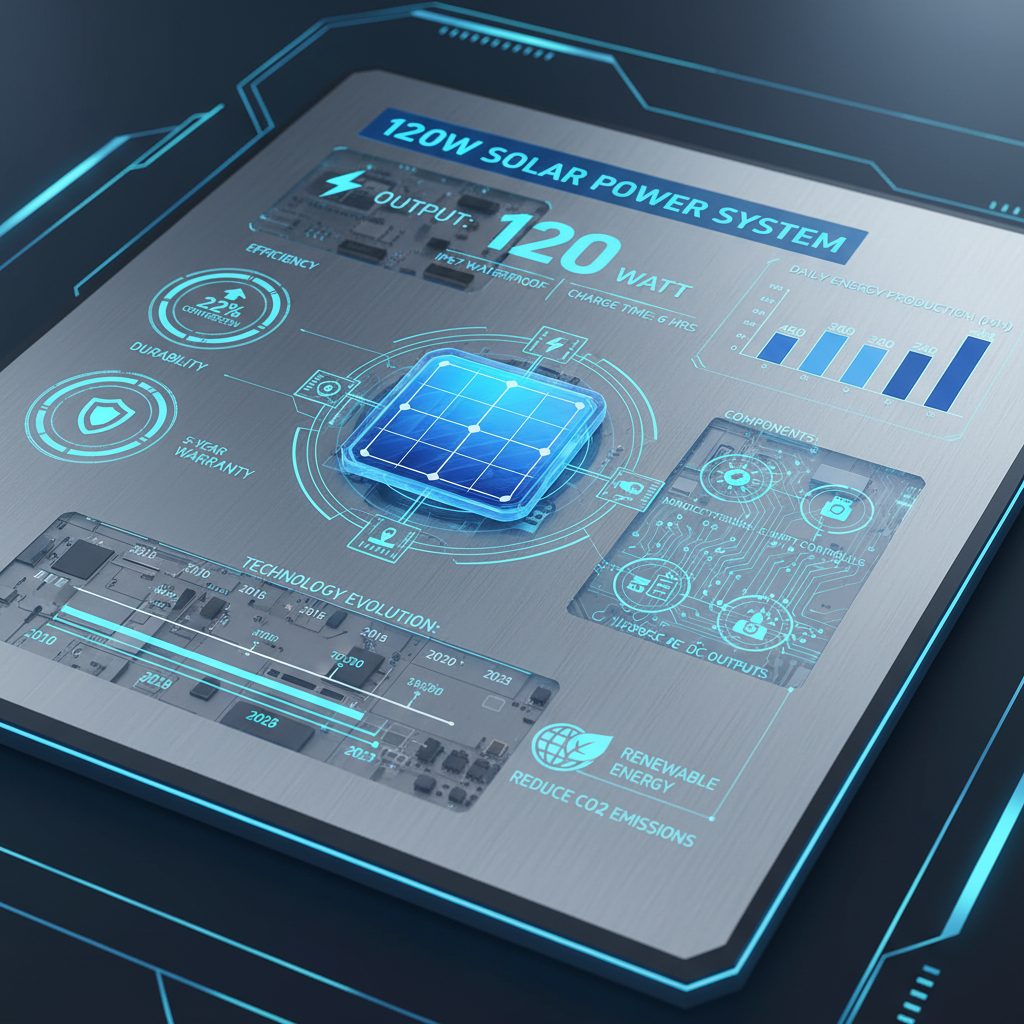
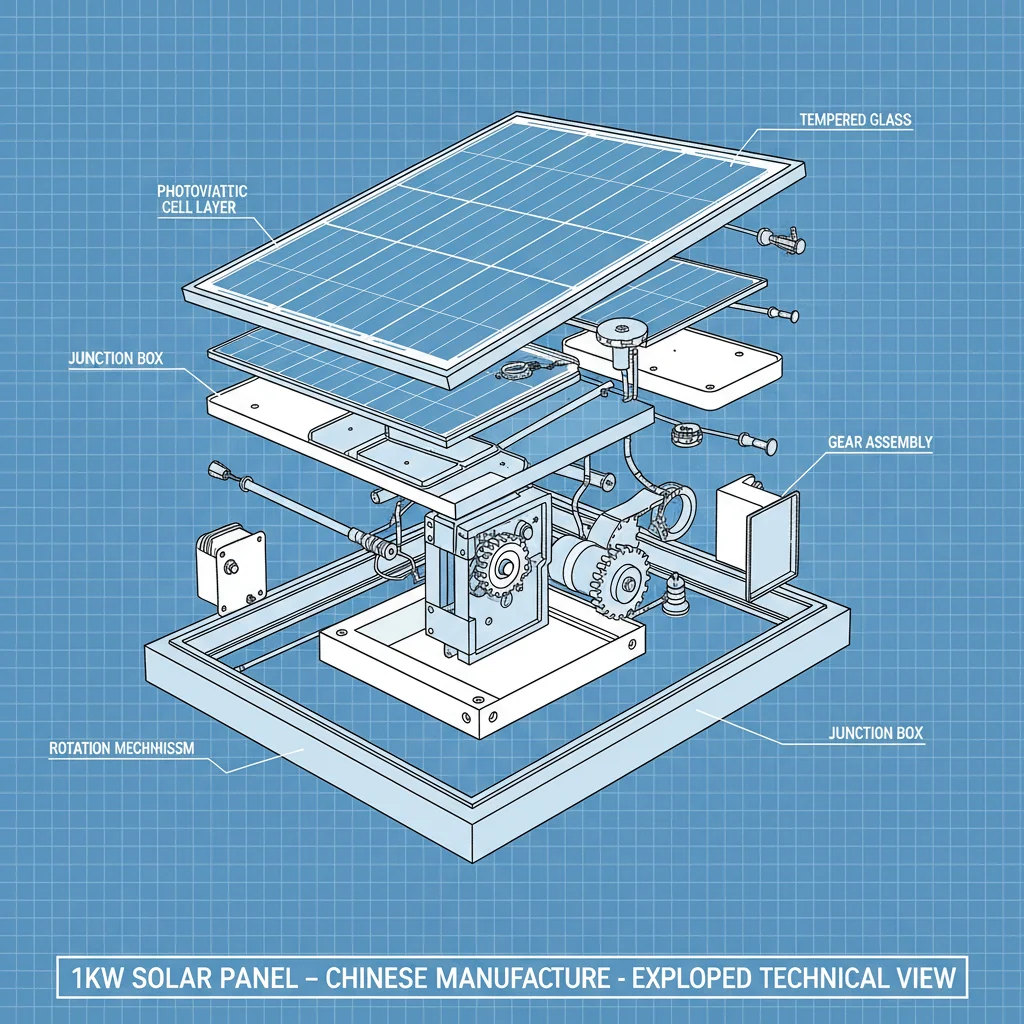
A 120w solar panel is a photovoltaic (PV) module designed to convert sunlight directly into electricity, generating approximately 120 watts under standard test conditions. This makes it a versatile option for a variety of power needs, offering a balance between portability, affordability, and power output. Its compact size and relatively lightweight nature facilitate easy transport and installation.
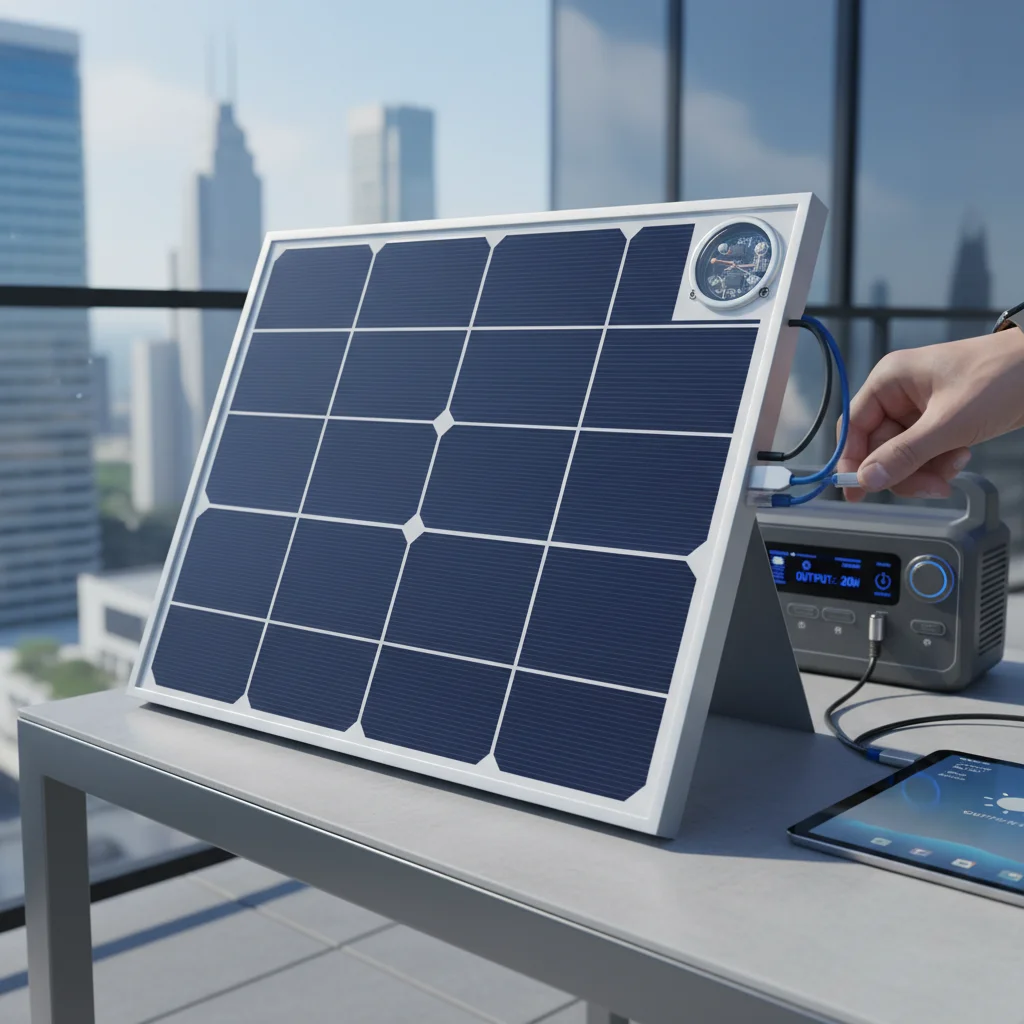
The 120w solar panel is often utilized in off-grid systems, providing power for camping, RVs, boats, and remote cabins. It’s also increasingly popular in emergency preparedness kits and for powering small electronic devices, making it a valuable asset for individuals and communities seeking energy independence. The growing demand for sustainable energy sources continues to drive innovation and adoption of solutions like the 120w solar panel.
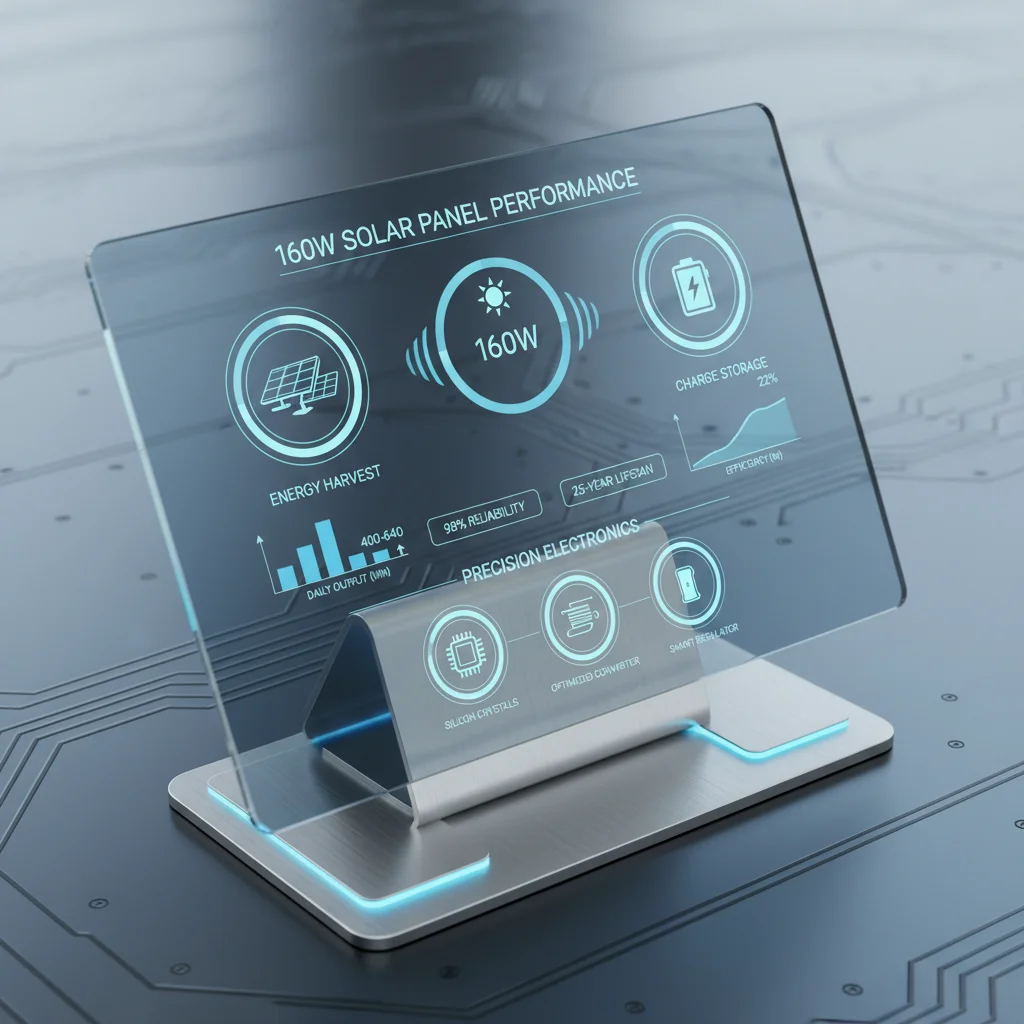
Most 120w solar panels are designed to last for 25-30 years, maintaining at least 80% of their original power output. However, actual lifespan can vary depending on factors like climate, maintenance, and the quality of the panel itself. Regular cleaning and inspection can significantly extend the panel's useful life, ensuring optimal performance over the long term. Degradation is a natural process, but a quality 120w solar panel should deliver reliable power for decades.
The amount of battery storage required depends on your energy needs and usage patterns. For small devices like phones and lights, a relatively small battery (e.g., 20-50Ah) may suffice. For larger loads, such as refrigerators or power tools, you'll need a larger capacity battery bank. Calculating your daily energy consumption in watt-hours and factoring in days of autonomy (how long you want to run without sunlight) will help determine the appropriate battery size. Consider using a charge controller to efficiently manage the charging and discharging of the battery.
Typically, a single 120w solar panel is not sufficient to power an entire home, particularly one with significant energy demands. It's more suited for powering individual appliances, charging devices, or supplementing a grid-tied system. To power a whole house, you would need a larger solar array consisting of multiple panels, as well as a battery storage system and potentially an inverter to convert DC to AC power. A professional energy audit can help determine the appropriate system size for your specific needs.
Regular maintenance is crucial for ensuring optimal performance. This includes cleaning the panel surface with a soft brush and water to remove dust, dirt, and debris. Inspecting the panel for any signs of damage, such as cracks or delamination, is also important. Check the wiring connections to ensure they are secure and corrosion-free. Avoid using harsh chemicals or abrasive cleaners, as these can damage the panel’s surface. Periodic voltage checks can confirm panel health.
Using a 120w solar panel offers significant environmental benefits. It reduces reliance on fossil fuels, decreasing greenhouse gas emissions and combating climate change. Solar energy is a renewable resource, meaning it doesn't deplete natural resources like coal or oil. Furthermore, solar power generation produces minimal pollution and noise, contributing to a cleaner and healthier environment. Choosing solar is a sustainable choice for a better future.
Monocrystalline panels are made from a single crystal of silicon, resulting in higher efficiency and a sleek black appearance. Polycrystalline panels are made from multiple silicon crystals, making them slightly less efficient but also more affordable. While monocrystalline panels generally perform better in low-light conditions, polycrystalline panels offer a good balance between performance and cost. The best choice depends on your specific energy needs and budget.
In conclusion, the 120w solar panel represents a versatile and accessible solution for a wide range of energy needs, from powering small devices to providing off-grid electricity in remote areas. Its combination of portability, affordability, and sustainability makes it a valuable asset for individuals, communities, and organizations seeking energy independence and a reduced carbon footprint. Understanding its capabilities and limitations is key to maximizing its effectiveness.
Looking ahead, continued innovation in solar technology, coupled with supportive policies and financing options, will drive further adoption and unlock the full potential of 120w solar panels. By embracing sustainable energy solutions like these, we can create a cleaner, more resilient, and equitable energy future for all. Visit our website at www.shaobosolar.com to explore our range of 120w solar panel options and discover how we can help you harness the power of the sun.

Ethan is the Marketing Director at Cangzhou Jiujiang, focusing on expanding the brand's presence in North America. With over a decade of experience in outdoor apparel marketing, Ethan leverages his knowledge to promote the company’s PU rainwear, emphasizing its BSCI and GRS certifications.


Hit enter to search or ESC to close